
Inside the GTF Advantage engine
How Pratt & Whitney’s new variant for the A320neo aircraft family delivers higher durability and performance
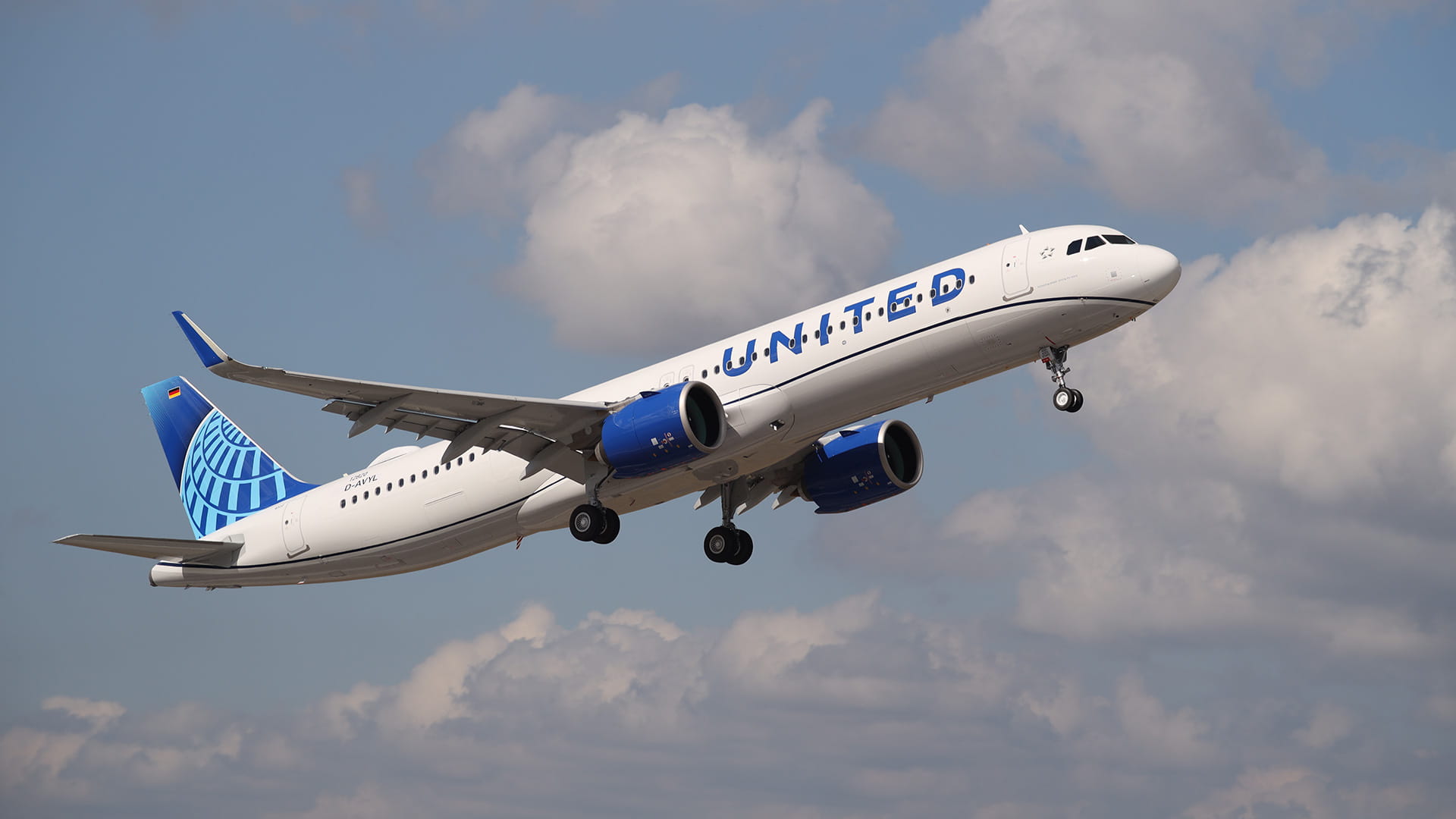
The Pratt & Whitney GTF Advantage® engine has entered service, taking its place on the wings of an Airbus A321XLR single-aisle passenger aircraft operated by United Airlines and built for extra-long-range flights.
It’s the first in a new line that advances on the innovations of the baseline GTF engine, delivering far greater durability and more powerful performance.
Here’s a closer look at how engineers evolved the design – and what it will mean for airline operators around the world.
Delivering durability
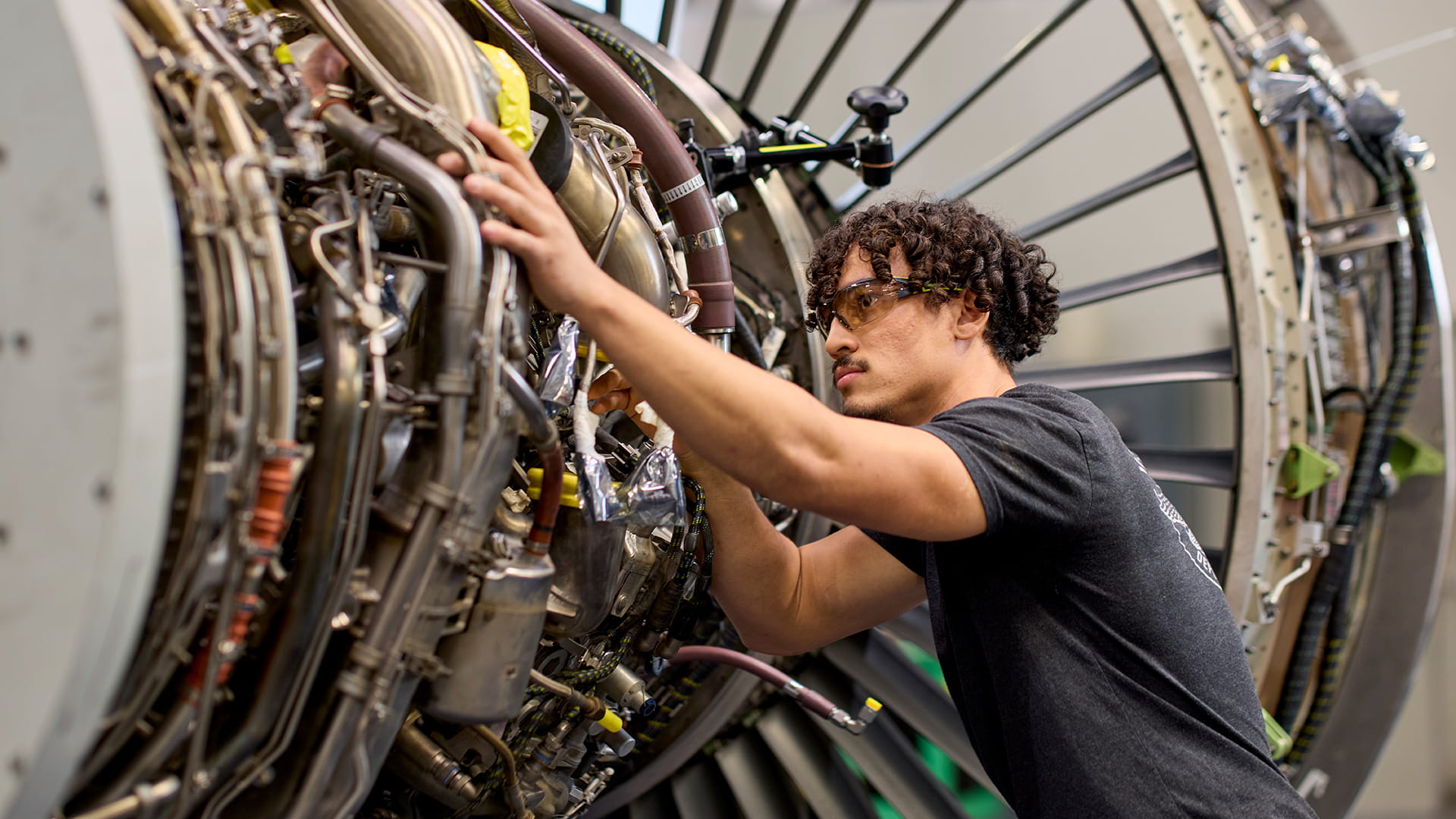
The GTF Advantage engine will have up to double the time on wing of its predecessor – a significant jump in a key performance metric for aircraft engines. (Time on wing represents the period between when an engine is installed and when it is removed for planned maintenance.)
To extend the GTF Advantage engine‘s time on wing, Pratt & Whitney engineers took on one of the greatest sources of wear and tear: heat.
Increasing airflow
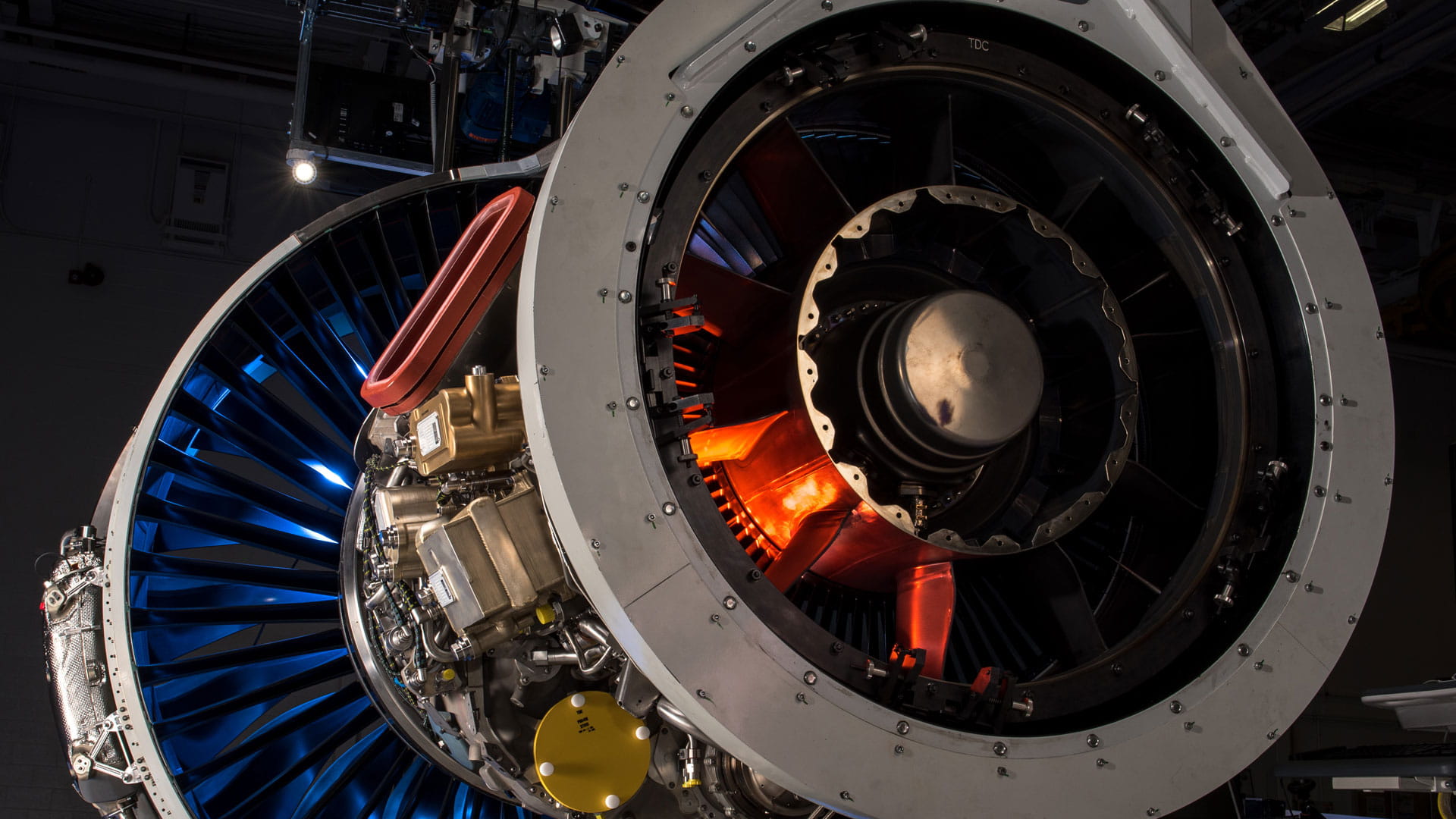
Looking to lower the rock-melting levels of heat in the engine’s core, engineers made aerodynamic improvements to increase airflow throughout, starting with the compressor – the part of the engine that pressurizes incoming air before it is mixed with fuel and ignited to create thrust.
That added airflow, in turn, helps lower the temperature of the hot section, or the part of the engine where ignition takes place.
The improvements came in part by extensive study of the baseline GTF engine and its performance over more than 50 million hours of flight. Engineers used advanced modeling and real-world data – including simulations of every flight recorded by the 5,000-plus GTF engines in service – to drive their design decisions.
In addition to that data analysis, engineers also conducted extensive early flight testing, rig testing and endurance testing to see how the GTF Advantage engine would perform in both clean and dusty conditions.
Additional improvements
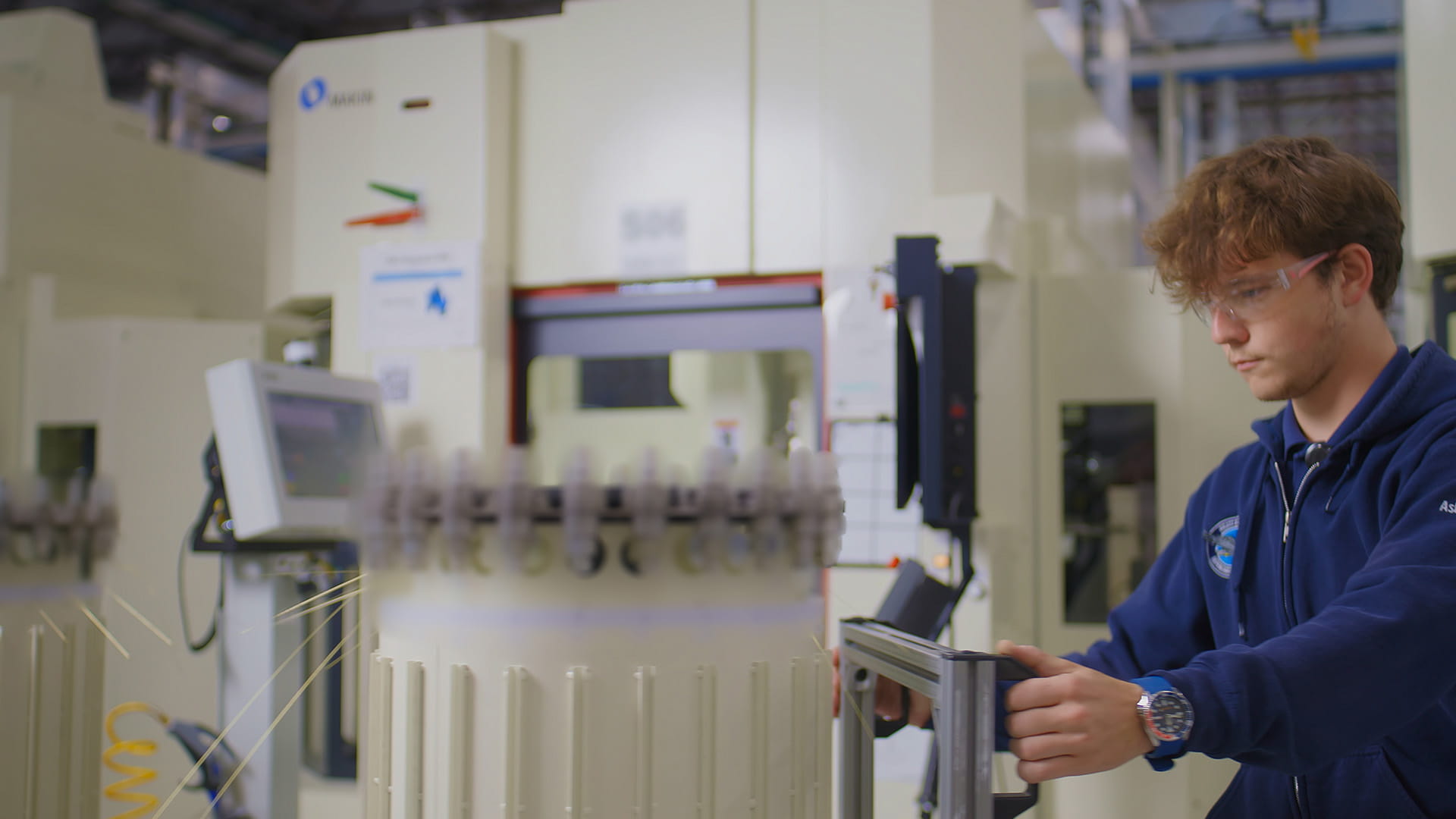
To mitigate the effects of heat in the hot section itself, engineers zeroed in on another improvement: redesigning the cooling holes in the blades of the turbine – the part of the engine that converts energy from fast-moving air into mechanical power.
Those improvements have focused on casting changes and improving the cooling that allows each airfoil to operate in temperatures well above the melting point of the metal. In addition, existing coatings were optimized and new coatings introduced based on field experience in sandy or salty environments.
The result, engineers believe, is the most state-of-the-art hot section in single aisle commercial aircraft.
Many benefits of the GTF Advantage engine are available to operators of the baseline engine through an upgrade package called Hot Section Plus, which Pratt & Whitney can install during planned maintenance.
Higher takeoff thrust
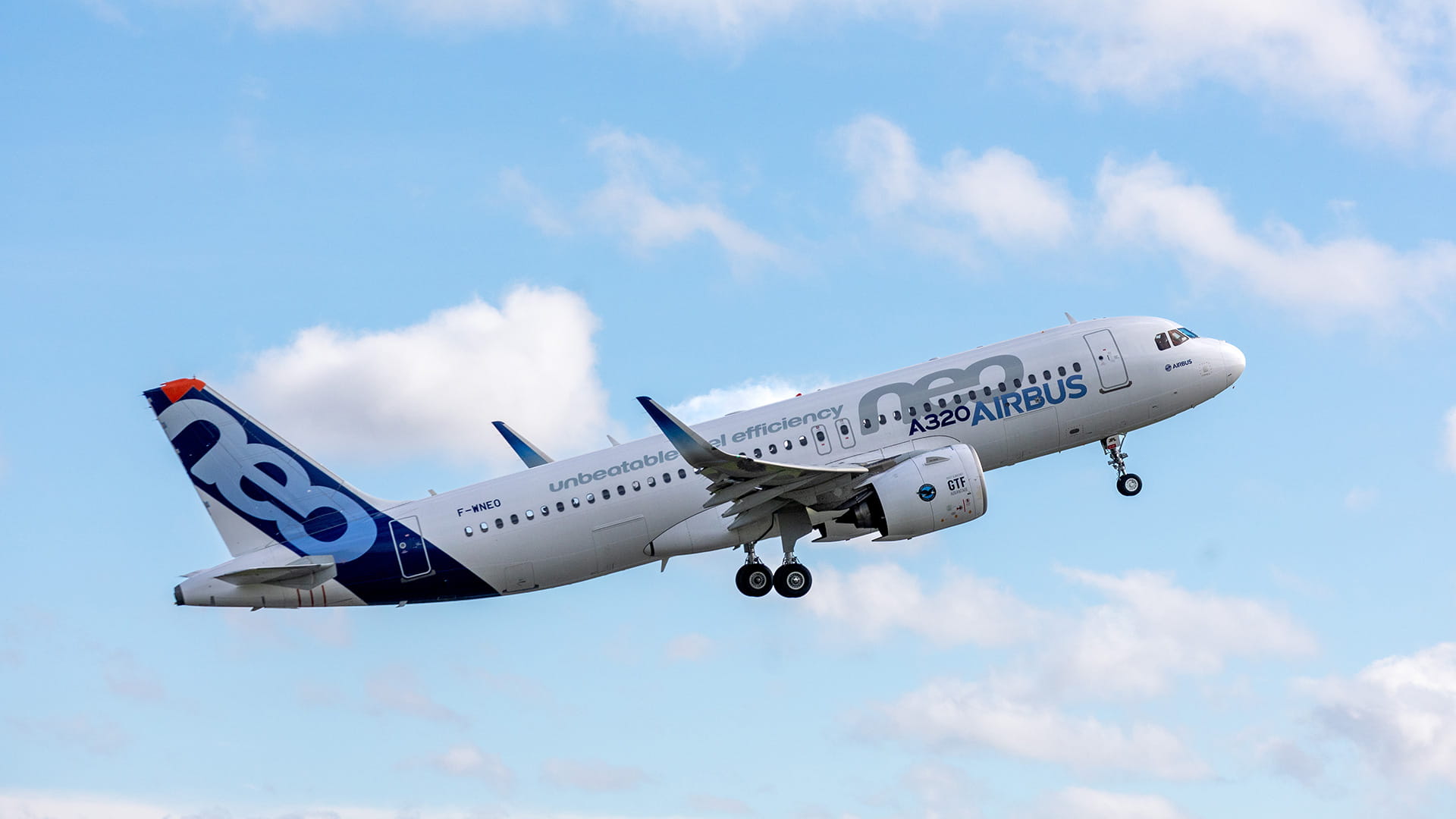
The aerodynamic improvements to the compressor have benefits beyond durability. They also give the engine a boost in performance – particularly during takeoff, the most energy-intensive phase of flight.
Using that increased airflow, the engine will deliver 4% more thrust during takeoff at sea-level airports and up to 8% more at airports in higher altitudes.
Those improvements meet demand for thrust at high-altitude, hot conditions – and, for operators, they could open up entirely new routes.