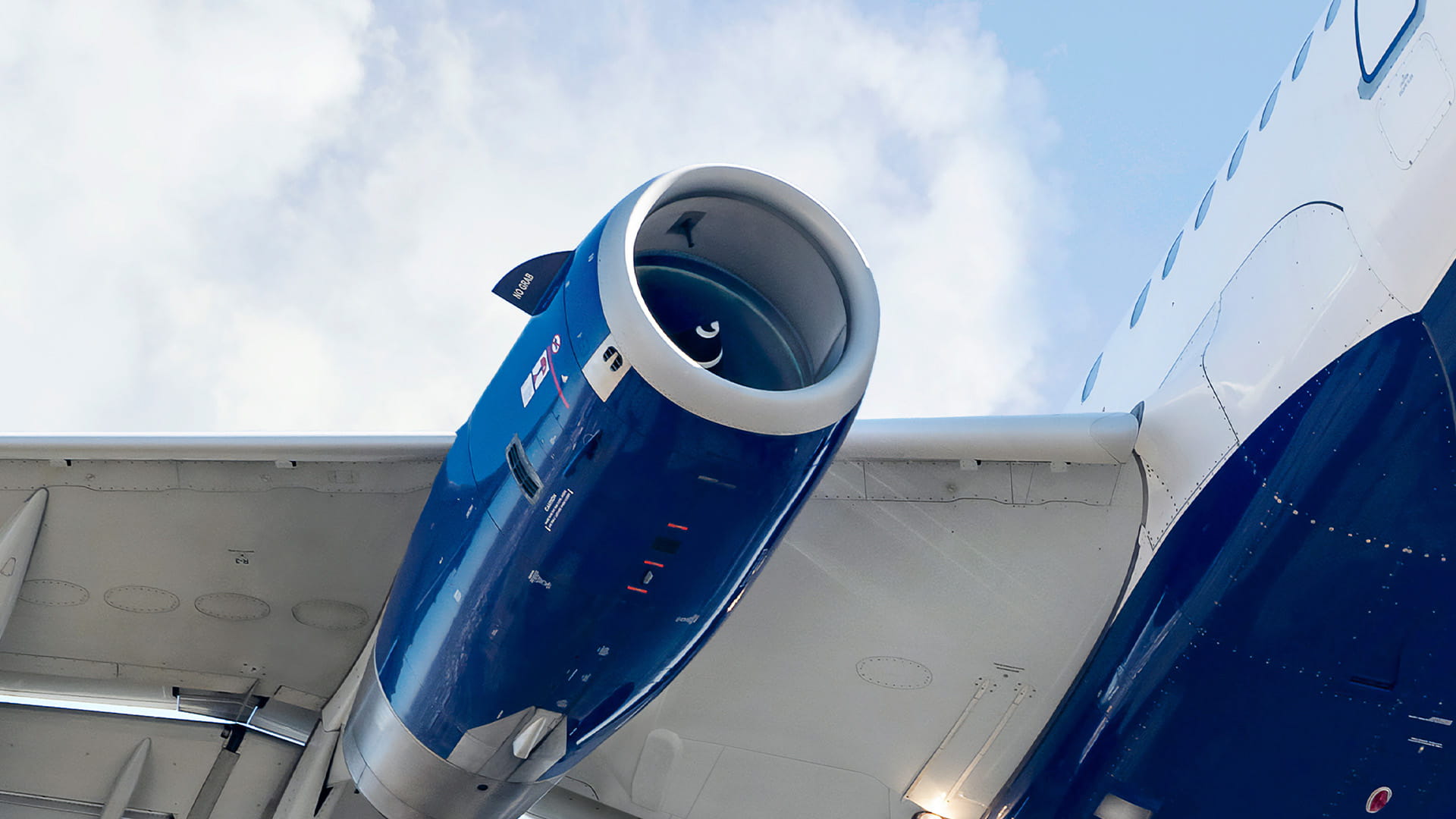

RTX is pushing aviation forward by engineering the technologies that make flying more efficient, more connected and more capable than ever before.

Civil missions

RTX’s engines power civil missions around the world.

The Technology Powering Advanced Aviation

Engine efficiency

Improving engine fuel efficiency

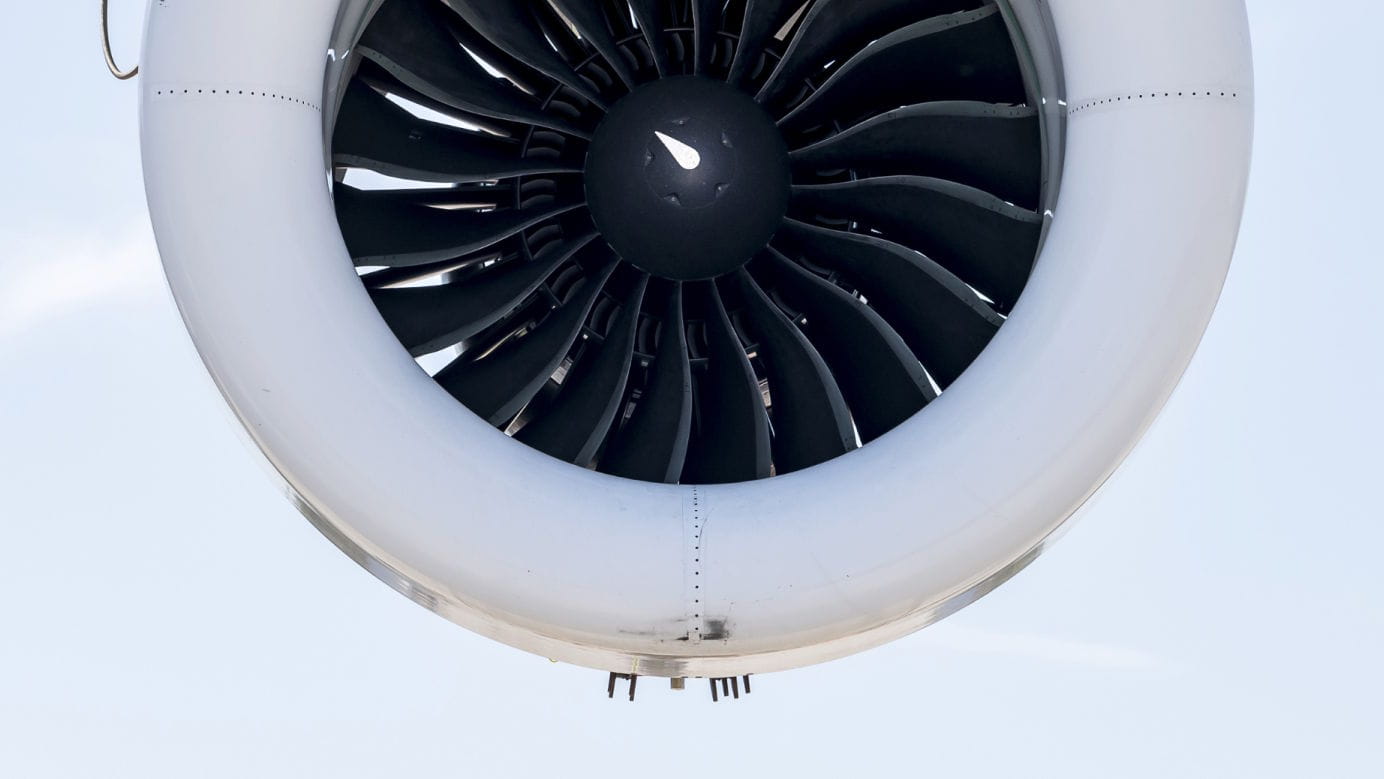
Pratt & Whitney pioneered the geared turbofan engine architecture. The resulting Pratt & Whitney GTF™ engine delivers an improvement up to 20% in fuel efficiency for single-aisle aircraft, while reducing NOx emissions by 50% and noise footprint by 75%. That engine also provides the foundational architecture for maximizing propulsive efficiency, allowing even greater improvements in efficiency in years to come.

Engine fuel efficiency improvements

Pratt & Whitney is advancing its geared turbofan architecture, increasing engine efficiency through larger-diameter fans and smaller-diameter, higher-pressure-ratio turbomachinery.  

To enable those architecture improvements, our experts across the company are introducing new materials, including ceramic matrix composites, which can operate beyond the melting point of today’s best nickel superalloys.

Hybrid electric propulsion

Advancing hybrid-electric propulsion

Hybrid-electric engine configurations can optimize performance, reduce fuel consumption and cut emissions by up to 30% compared to today’s most advanced regional turboprops.

Hybrid-electric propulsion innovations

Collins Aerospace and Pratt & Whitney, supported by the governments of Canada and Quebec, are developing a hybrid electric demonstrator on a De Havilland Dash 8 regional aircraft. 

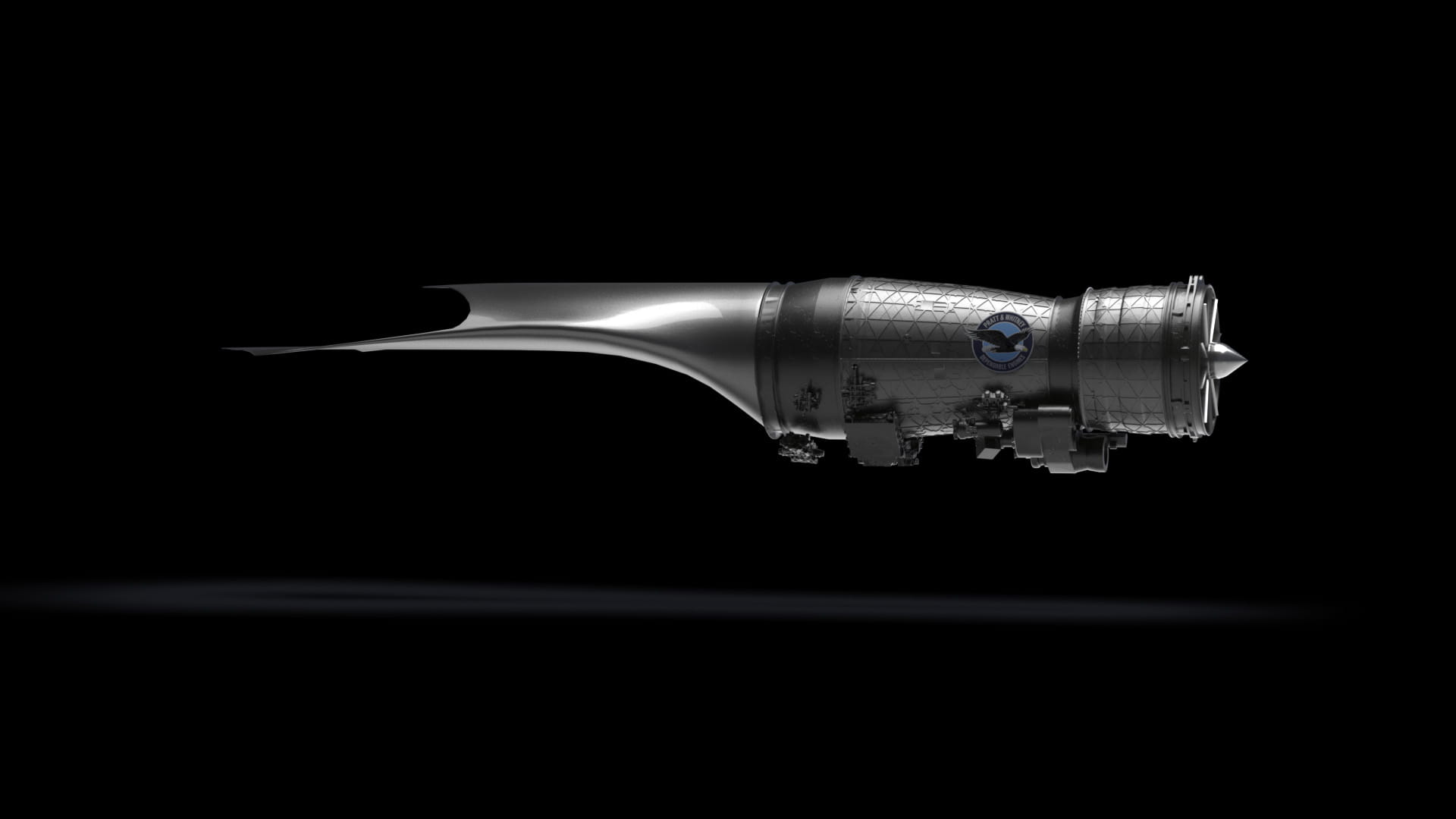
Collins Aerospace and Pratt & Whitney are also partnering on the hybrid-electric Scalable Turboelectric Powertrain Technology (STEP-Tech) demonstrator program, with a modular and scalable platform that can address a variety of potential applications, including advanced air mobility vehicles, high-speed eVTOL, or electric vertical takeoff and landing, and blended wing body aircraft.

Synthetic aviation fuels

Supporting synthetic aviation fuels

Pratt & Whitney has been testing and certifying SAFs for nearly 20 years. Its current engines are compatible with an approved 50% SAF blend.

Synthetic aviation fuel innovations

We evaluated the compatibility of both blended and 100% SAF pathways through extensive testing of our commercial and military engines. 

We continue this effort in support of the aviation industry objective to identify multiple 100% SAFs that will increase availability and reduce cost.

Hydrogen propulsion

Developing hydrogen propulsion concepts

Hydrogen-burning engines produce no carbon emissions. Pratt & Whitney first demonstrated one in the 1950s. Today, we are developing concepts for next-generation hydrogen engines, and we are reimagining airframes to meet the engineering challenge of properly storing the fuel.

Developing hydrogen propulsion innovations

A concept for a hydrogen-burning engine known as HySIITE, designed at RTX in partnership with the U.S. Department of Energy’s ARPA-E agency, uses steam injection and water vapor recovery to improve fuel efficiency by up to 35%, compared to a current state-of-the-art propulsion system for a single-aisle aircraft. 

Pratt & Whitney Canada is developing hydrogen combustion technology for turboprop aircraft as part of the Hydrogen Advanced Design Engine Study (HyADES) project, supported by the Canada Initiative for Sustainable Aviation Technology. The project will be tested on a Pratt & Whitney Canada PW127XT regional turboprop engine.

Lighter weight, energy-efficient systems

Evolving lighter weight, energy-efficient systems

Making aircraft lighter can improve their fuel efficiency, enable them to carry more passengers or cargo and extend their range. Key efforts across our businesses in this area include leveraging advanced lightweight materials and composites for structural elements that range from engine nacelles to cabin seats. We are also focused on improving energy efficiency in aircraft equipment.

Routes and operations

Optimizing routes and operations

We are optimizing air traffic and flight operations to improve aircraft fuel economy. This will allow for flight trajectories to follow near-optimal routes, at near-optimal altitudes and speeds during all phases of flight, which will reduce delays and fuel consumption.

How we’re optimizing routes and operations 

Collins Aerospace has upgraded aircraft avionics to enable navigation systems to harness information for optimal aircraft trajectory planning.  

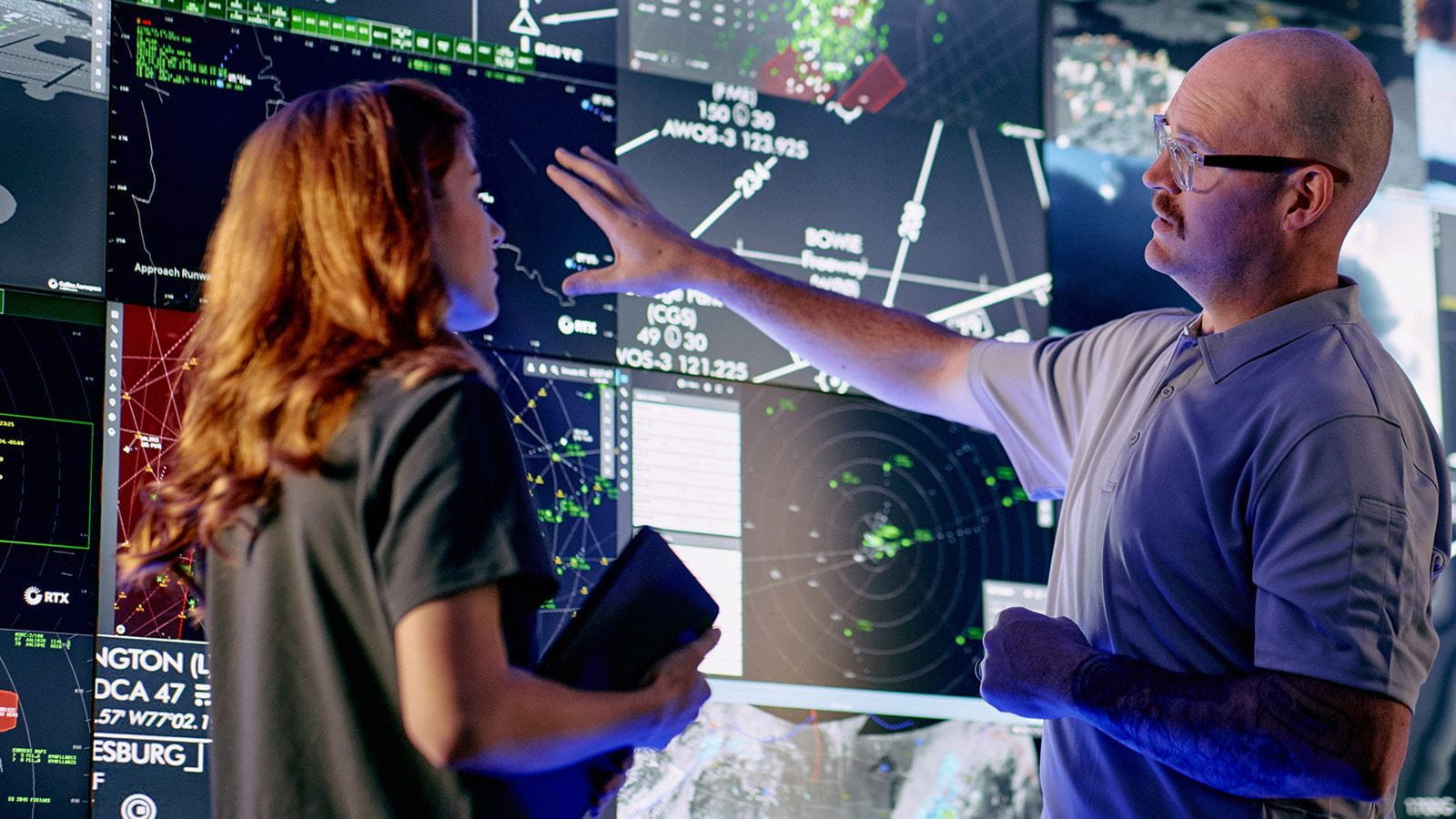
Collins Aerospace has been fielding and upgrading state-of-the-art air traffic management systems as part of the FAA Next Generation Air Transportation System portfolio to deliver trajectory-based operations capabilities and to bring more efficiency to the way controllers manage air traffic. 

Discover more