Fast track: Software updates for ships
Raytheon’s software factory speeds updates to the U.S. Navy fleet
Raytheon, a business best known for radars and munitions, also operates a “software factory” that helps accelerate updates to U.S. Navy ships’ many onboard computing systems.
The factory, which encompasses several data centers, reflects an emphasis both at Raytheon and across parent company RTX to deliver much-needed capabilities and products faster. Here’s how it works.
“In the face of rapidly evolving threats, our software factory stands as the Navy’s shield and beacon, delivering near real-time updates that keep our fleet one step ahead.”
Jen Gauthier, Vice President of Naval Systems and Sustainment, Raytheon
What’s in it for the Navy
The factory’s use of pre-approved Navy processes has cut the time it takes to develop and deploy new software from six months to just 30 days.
Much of the speed comes from automation in the workflow. Now, as developers create code, it goes straight through the factory for automated testing and various scanning tools, including cybersecurity evaluation.
That step reduces the amount of validation work required for each individual software push after delivery, which saves both time and money.
The factory will help support the Navy’s schedule of quarterly planned software updates – a significant change from its previous annual schedule. It also has the capacity to deliver more frequent updates if needed.
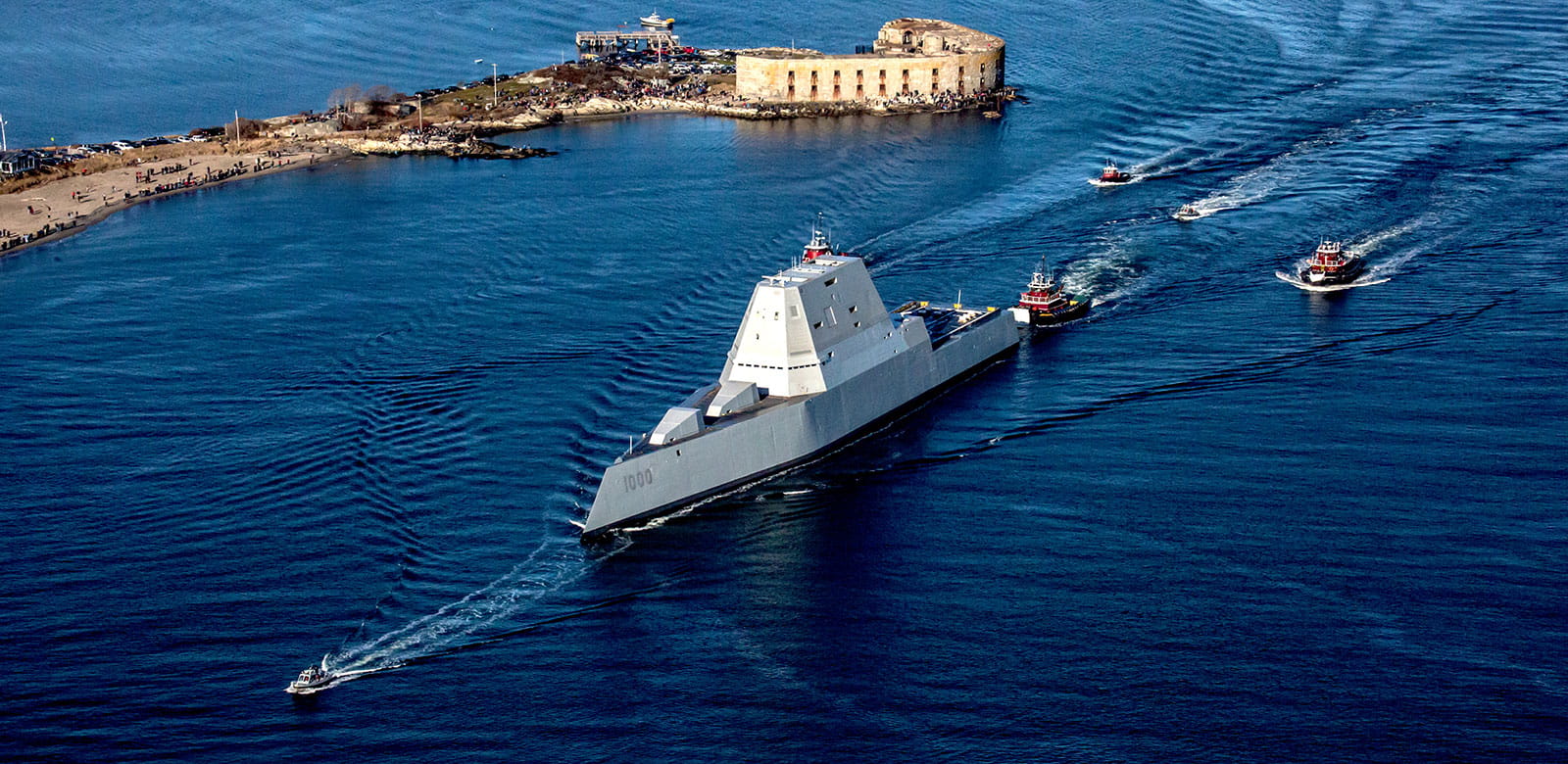
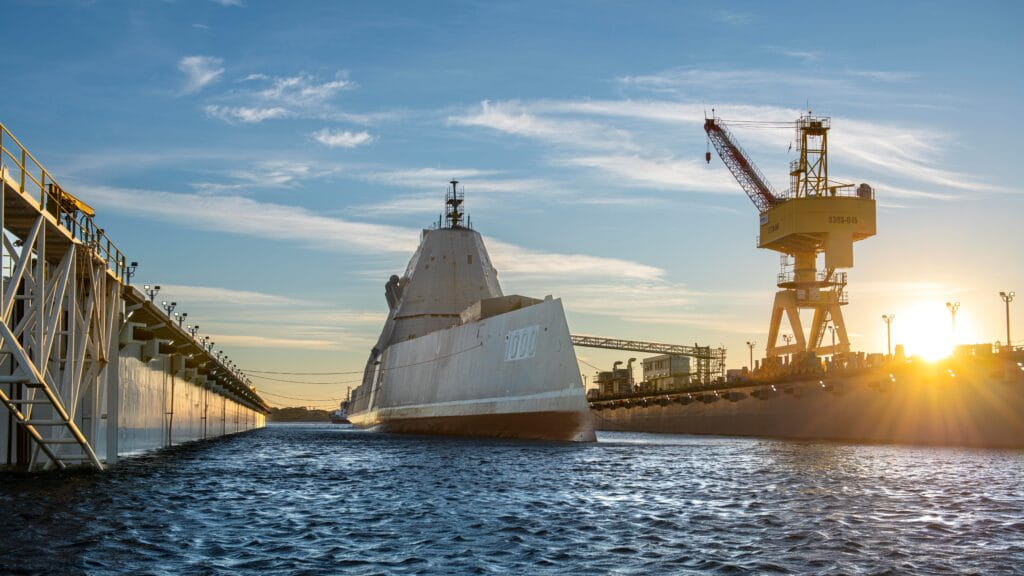
That kind of speed is especially critical for platforms like the Zumwalt-class destroyer, which relies heavily on computerized systems to manage navigation, weapons and operations. Raytheon is the prime mission systems equipment integrator for all electric and combat systems on the destroyers. Their all-electric power system and modular design depend on fast, reliable updates to maintain efficiency and adaptability.
The factory allows a common software baseline across multiple computing environments:
- native, where the software is built specifically for the ship’s physical hardware
- virtual, where the software is independent of the underlying hardware
- and containerized, which has the flexibility of virtualized software but is optimized for the native operating system.
What’s next
The factory delivers both unclassified and classified updates, and Raytheon is looking to apply the concept to other product lines, as well as across RTX.
The factory also represents one of many ways Raytheon and its fellow RTX businesses – Collins Aerospace and Pratt & Whitney – are working with speed to deliver on customer commitments.
Raytheon, for example, has entered a series of agreements with the Pentagon to ramp up production of several critical munitions. And across RTX, facilities are adopting digital technologies and using a companywide process-improvement system called CORE to deliver products and services faster.