Fast track: Critical munitions
Agreements to speed production on missiles, interceptors build upon Raytheon’s recent investments
In a series of landmark agreements with the Pentagon, Raytheon, an RTX business, has committed to boost production and speed deliveries of several critical munitions:
- The AMRAAM® missile
- The Block IB and Block IIA variants of the SM-3® interceptor
- The SM-6® missile
- The Land Attack and Maritime Strike variants of the Tomahawk® cruise missile
The agreements reflect many measures Raytheon has been taking to produce faster and deliver on its customer commitments. The total deliveries of munitions is up over 40% year-over-year at Raytheon.
RTX’s Raytheon partners with Department of War on five landmark agreements to expand critical munition production
AMRAAM® missile
.jpg?rev=9db2f99e91d340ee8c635e9842b27ac0&rid=edcd8a86626d4ad385d23f14ac3f8057)
Annual production of the AMRAAM missile will increase to 1,900 – a record-setting level – under a contract awarded as part of the Department of War’s Arsenal of Freedom. The five-year, multi-year contract includes two option years and has a value of up to $20.7 billion. It follows the landmark agreements announced in early 2026.
The AMRAAM missile operates on 14 platforms and is fielded by 44 countries. It has achieved more than 7,000 successful live fires in test and combat. RTX has invested heavily in AMRAAM production in recent years, nearly doubling output in 2025 compared to 2024.
The AMRAAM missile “remains the world's most trusted, combat-proven air dominance weapon for the United States and our allies, delivering beyond-visual-range lethality with advanced guidance and electronic protection in contested environments,” said Raytheon President Phil Jasper. “We continue to make significant investments in our workforce, technology, supply chain and facilities to rapidly scale production capacity and meet surging demand from the U.S. Air Force, Navy and our international partners.”
SM-3® interceptor and SM-6® missile
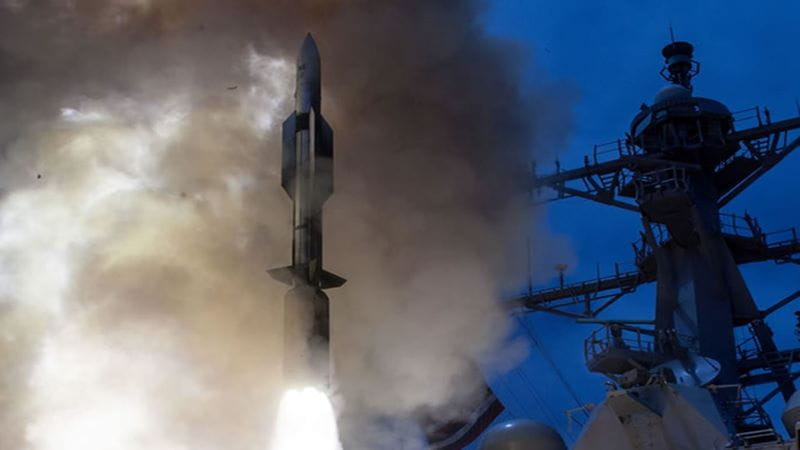
Raytheon will also increase production of the SM-3 IIA interceptor and continue production and sustainment of the SM-3 IB interceptor. Production will likewise increase for the SM-6 interceptor.
Production and sustainment of the SM-3 IB interceptor will take place under a new contract between Raytheon and the Department of War. It has a term of five years, with two additional option years, and a value of up to $6.3 billion.
The SM-3 IB interceptor launches from ships and from land, and it is designed to defeat short- to intermediate-range ballistic missiles in their midcourse phase of flight. First used in combat in 2024, the interceptor “has proven its relevance in combat,” Jasper said.
“This contract helps ensure we can replenish inventories and keep pace with evolving threats the U.S. Navy, MDA (Missile Defense Agency) and their partners face around the world,” he said.
The SM-6 contract has a term of five years, with two additional option years, and a total value of $24.4 billion. It will support an annual production rate of more than 500.
The SM-6 interceptor can perform anti-air warfare, anti-surface warfare and ballistic missile defense.
“SM-6’s multi-mission capability is vital to our customer, and Raytheon is intensely focused on meeting the demand,” Jasper said. “By continuously investing in our operations and facilities, we are removing constraints and boosting capacity to ensure we deliver this critical capability our sailors depend on.”
A $115 million expansion is now complete at the Alabama facility where parts of both systems are assembled into fully integrated munitions. That expansion began in early 2024, with Jasper remarking at the time that the project “will help us meet the growing needs of our military customers and service members.”
Tomahawk® cruise missile
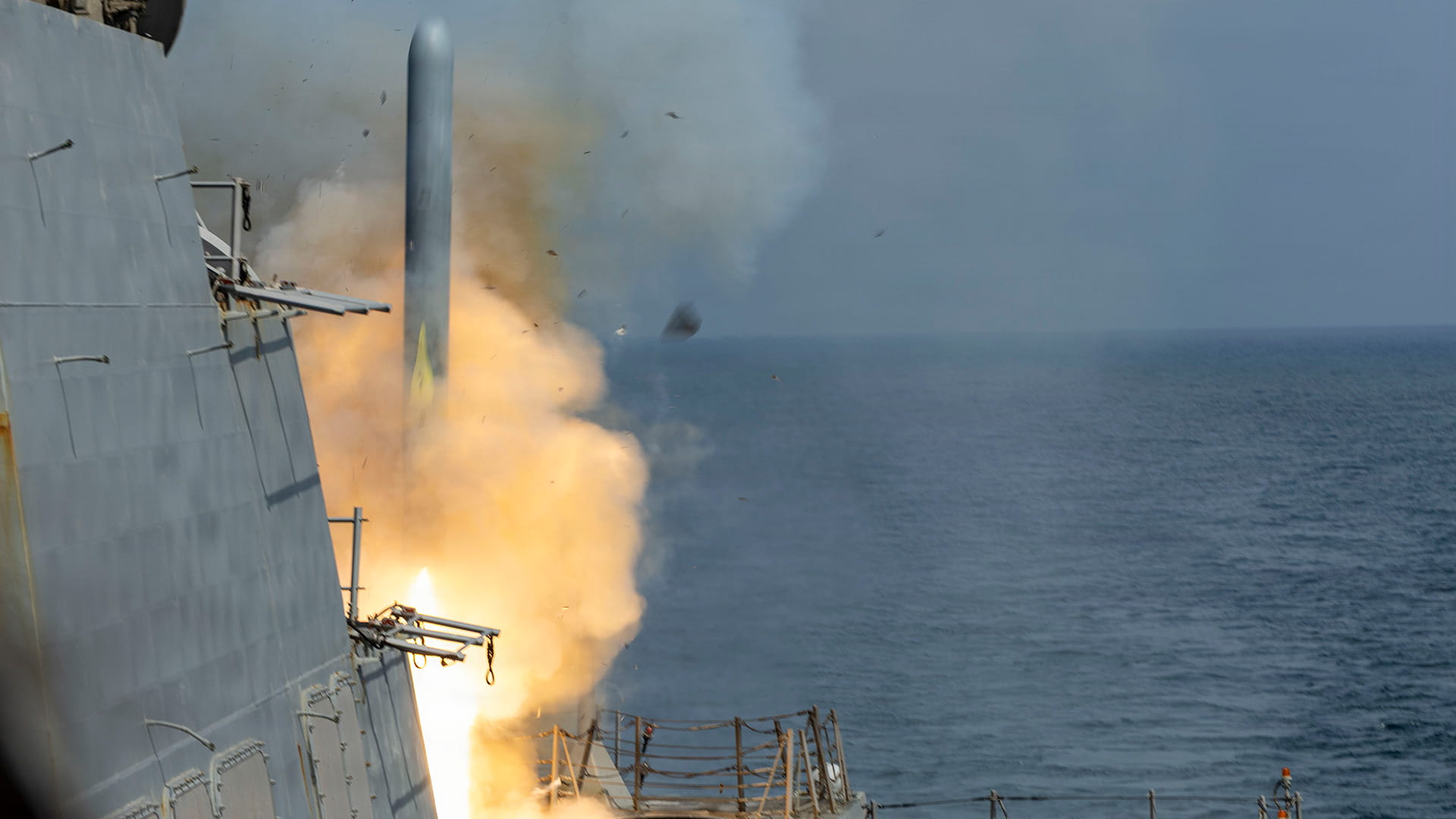
Raytheon will dramatically accelerate production of Tomahawk cruise missiles for the U.S. Navy, under a seven-year contract with the Department of War.
The contract, which follows the landmark agreement, will support the annual production ramp to more than 1,000 Tomahawk missiles. It also includes associated support to ensure a stable and predictable supply.
“Tomahawk is the Navy's most important strike weapon, able to target hostile forces hundreds of miles away without ever risking the lives of our sailors,” said Jasper. “We are making significant investments in our workforce, technology, supply chain and facilities to dramatically boost production capacity and meet surging demand.”
Similar to the capacity expansion for the SM-3 and SM-6 missiles, Raytheon is investing in Tomahawk production facilities in Tucson, Arizona.
That project, like the Alabama facility expansion, is part of a $2.6 billion capital expenditure investment RTX made in 2025.
The Tomahawk cruise missile is a precision weapon that launches from ships and submarines, and can strike targets from 1,000 miles away in heavily defended airspace. It is routinely the first system the U.S. uses to target hostile forces, and it has been used in an operational environment more than 2,300 times.
Start exploring
Connecting and protecting our world
We answer the biggest questions and solve the hardest problems in aerospace and defense.
Watch video
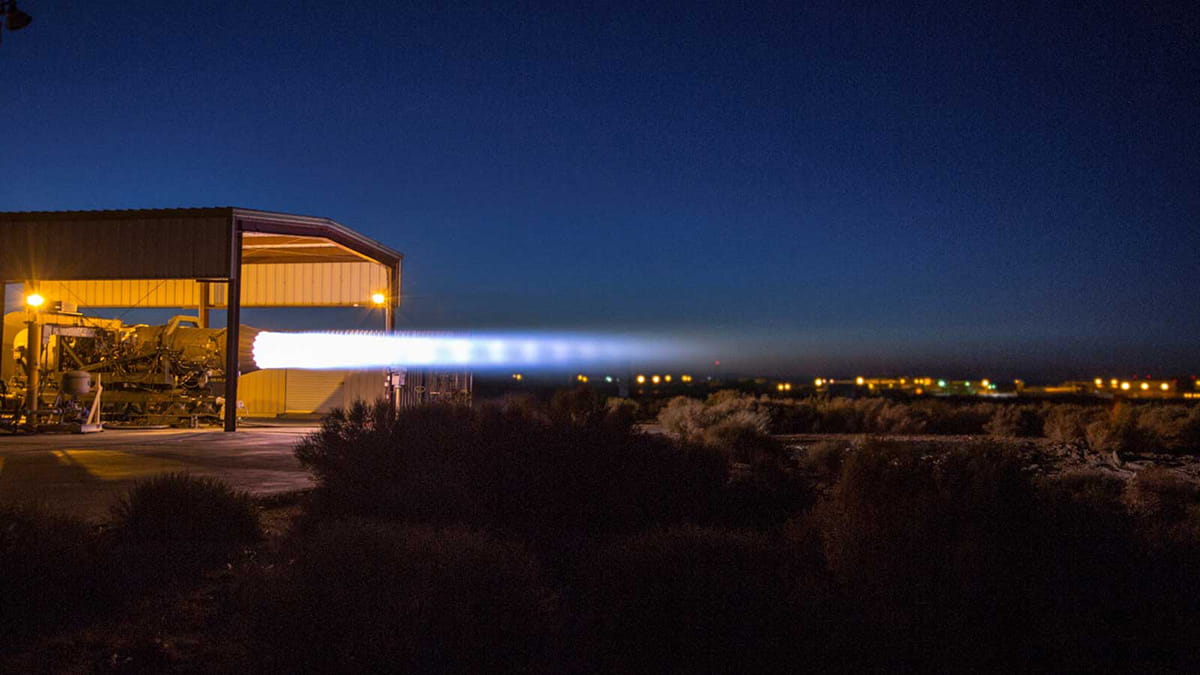
How do our jet engines work?
Insights into the intricate design and operation of our propulsion systems.
Learn more
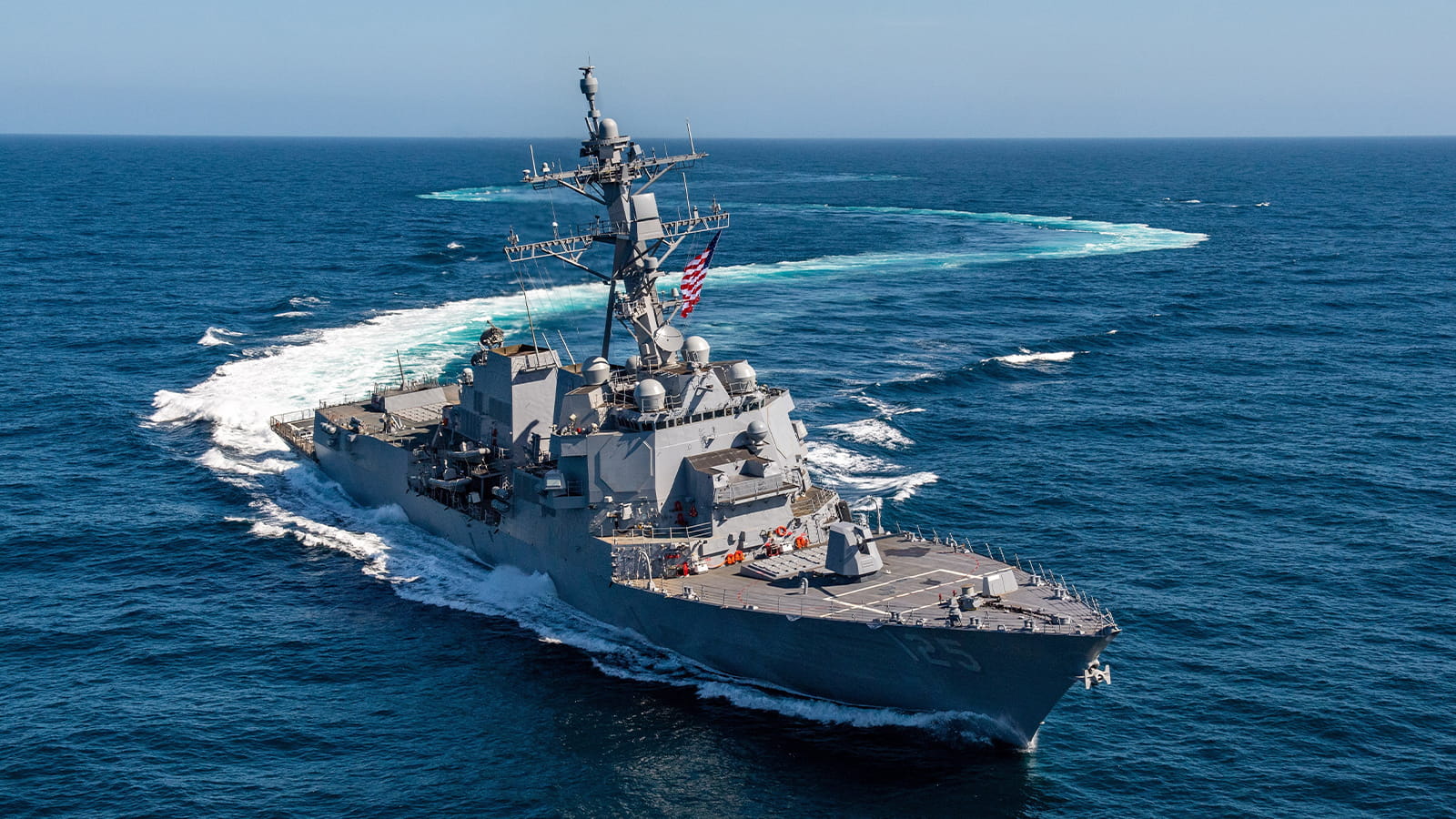
How do we sharpen the Navy’s edge?
The vital protection RTX systems provide to sailors at sea.
Learn more