An extension of their service
Military veterans put their experience to work at RTX
Every day across RTX, military veterans bring unique value to the company where they now work.
They support new versions of the technology they once relied on to meet their missions. They embed with active-duty military around the world to keep systems mission-ready. And they continue serving through volunteerism with RTX’s military-focused community partners.
Here are some of the ways they put their experience to work.
‘The warrior is still in here.’
Sam “Spam” Milam spent much of his 28-year U.S. Air Force career flying the A-10 Thunderbolt II, more commonly called the Warthog. It’s a famously effective close-air support aircraft, but back then it had a significant limitation: It couldn’t see through clouds, meaning it had to drop beneath them to carry out its missions.
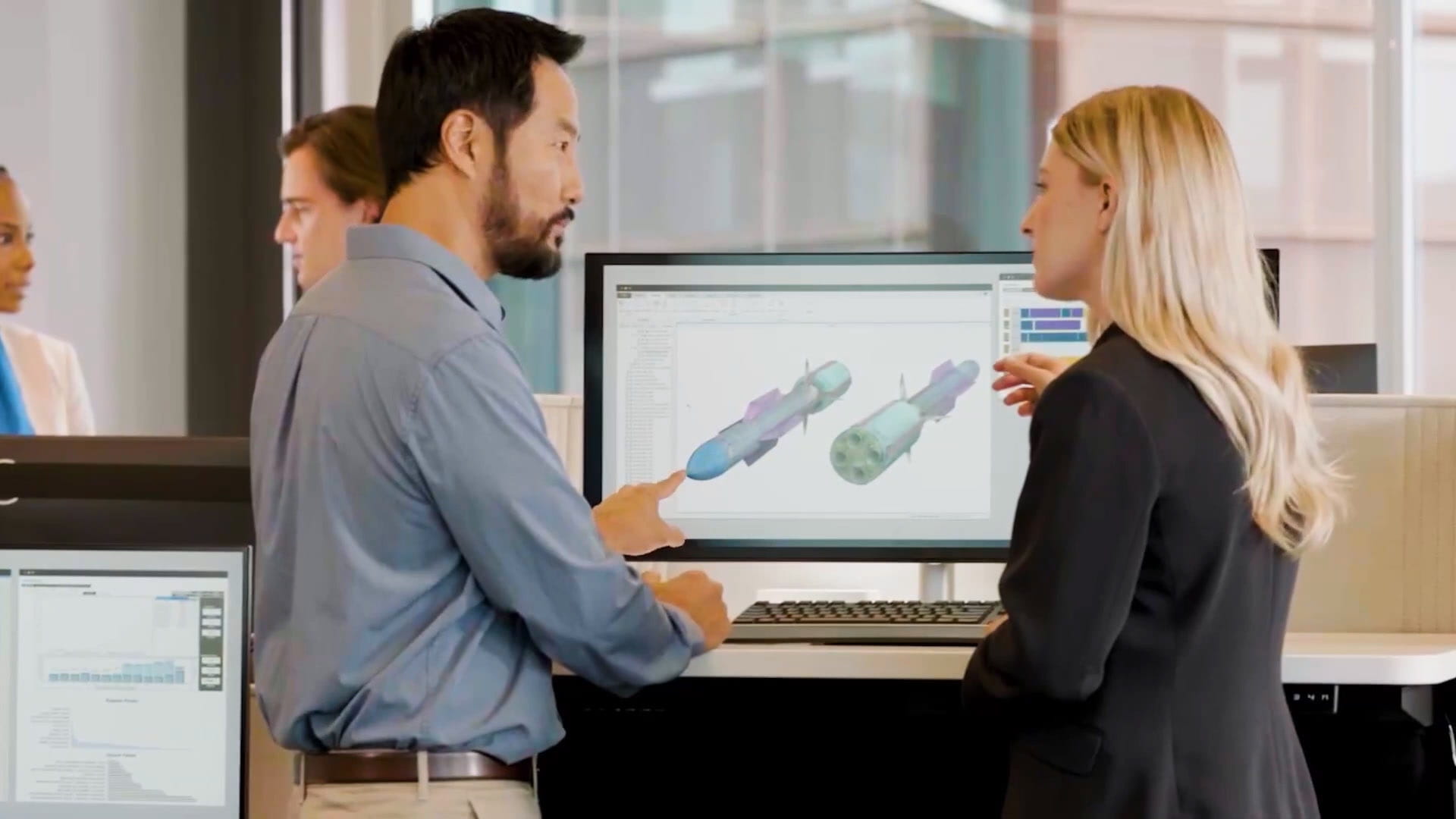
Today, Milam supports a product that breaks through that limitation: the StormBreaker® smart weapon, whose seekers enable it to find its target in all weather conditions. That means pilots can strike from a much more advantageous position – an idea Milam finds motivating.
“The captain, the major, the warrior is still in here,” said Milam, a director in Requirements & Capabilities at Raytheon, an RTX business. “So what I really want to do is go with them and help them the best I can.”

“I view my employment here as an extension of my service. It means a lot to me, because I’ve been on the other side of it.”
Sam “Spam” Milam | Director, Requirements & Capabilities | Raytheon
‘That’s what I want to be when I grow up.’
During his days as a jet mechanic in the U.S. Air Force, Ryan Rayburn often worked alongside Pratt & Whitney field service representatives – on-the-spot advisers who help keep engines ready to fly.
Their skill and dedication left an impression on him.
“I always said, ‘That’s what I want to be when I grow up,’” Rayburn said.
Rayburn retired after serving 20 years and joined Pratt & Whitney in 2008. Three years later, he became a field service representative for the F100 engine, which powers F-15 and F-16 fighter jets.
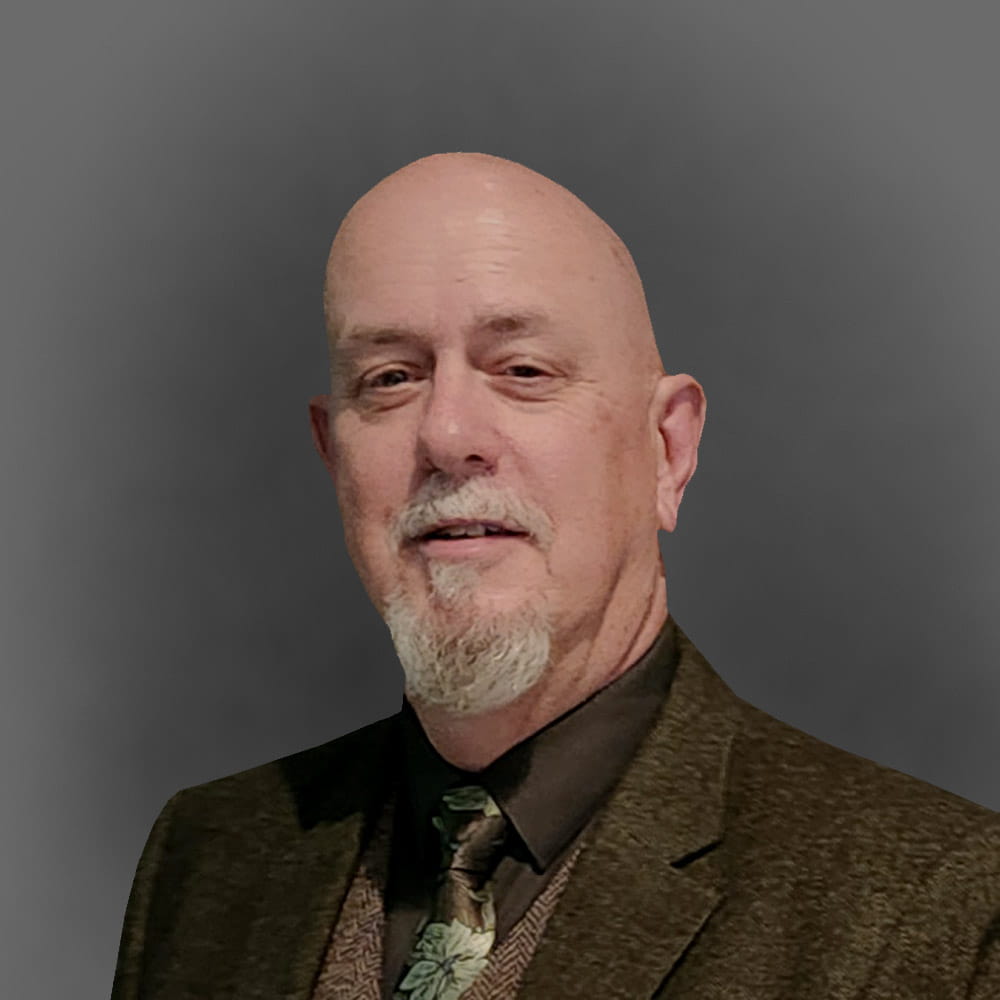
“Customers know I’ve been in their shoes ... They don’t care what you know until they know that you care.”
Ryan Rayburn | Field Service Representative | Pratt & Whitney
‘We’re protecting the people who protect us.’
For more than a decade, Cody Marr served in the U.S. Air Force as a systems administrator, keeping networks up and running. When he separated, he found a nearly identical role at Raytheon that both tapped into his military experience and helped him advance his civilian career in a way that is close to his heart.
“It was like stepping back into my old job, but without the uniform on,” he said. “It’s more than just a defense contractor – we’re protecting the people who protect us.”
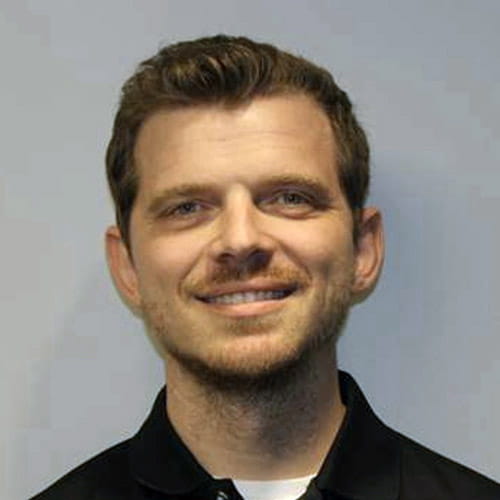
“I want to contribute to something that keeps people safe. Even if I am not serving on the same team as them anymore, I am still supporting them.”
Cody Marr | IT Solutions Architect | Raytheon
‘It obviously had a lasting impact on me.’
Fifty years later, Andi Updegraff remembers it clearly.
She was in first grade, in a classroom on Luke Air Force Base in Phoenix. The service had just distributed new school supplies, and she was searching hers in hopes of finding a purple eraser – the one that smelled like grapes.
“It was like Santa Claus was coming. It obviously had a lasting impact on me,” said Updegraff, a U.S. Air Force veteran and now an associate director of Human Resources at Collins Aerospace, an RTX business. “Money was tight. (My parents) counted on those school supplies coming in.”
With those memories still strong in her mind, she recently led a similar activity at her worksite in Lenexa, Kansas, where employees packed school supplies and handwritten cards for children of military families.
It’s one of 18 RTX sites that participate in the company’s partnership with the nonprofit Operation Homefront.

“I beam with pride in many, many ways because now I get to help give back. All my dad knew most of his adult life was the military. When I told him what we were doing, he looked at me and said ‘Girl, I’m proud of you. You’re still serving your country.’”
Andi Updegraff | Associate Director, Human Resources | Collins Aerospace
‘It reminds you that the country is behind you.’
The care package arrived around Christmas, and for Cyrus “Torrey” Cady – at the time a U.S. Army captain serving in the Middle East – it meant everything.
It had socks, candy, toothpaste and a note written in crayon. And it came from a classroom somewhere back in the United States.
“Of course your family cares about you and will send you stuff,” Cady said, “but when you get it from strangers, it reminds you that the country is behind you.”
Cady is now a vice president in manufacturing at Raytheon, and he leads events where employees assemble care packages in support of RTX’s partnership with the USO. The company sends about 30,000 such packages every year.
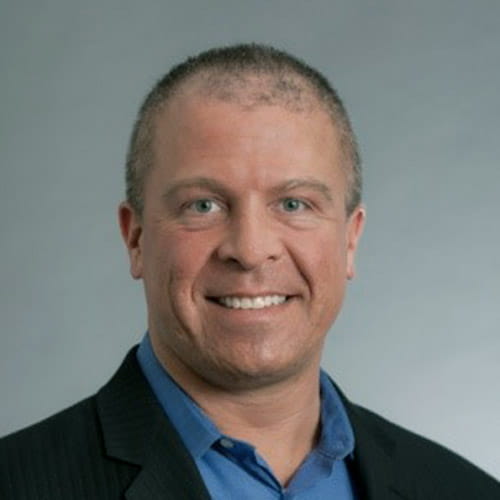
“When you’re deployed and you get (a care package), you’re really thankful for it. To be on the other side of that is very meaningful. It helps connect our employees to the purpose of our work.”
Cyrus “Torrey” Cady | Vice President, Manufacturing | Raytheon