The Army is building its next rotorcraft – with tech proven on millions of commercial flights
The U.S. Army’s next rotorcraft, the MV-75 Cheyenne, is expected to bring a revolution in military aviation. But when it takes flight, it will draw benefits from at least five systems that have been tested and optimized over millions of commercial flight hours.
Collins Aerospace, an RTX business, has been selected by Bell Textron Inc., a Textron Inc. company, to provide existing or modified versions of those systems. They include main power generators, drive shafts and couplings, smart air data sensors, aircrew seating, and ice detection and protection units.
It’s all part of the Army’s push to reduce overhead expense with proven commercial technology – and a clear example of how commercial innovation can translate directly into mission‑ready military capability.
“Our ability to deliver advanced performance with military‑grade, commercial technology – and leverage existing manufacturing and service capabilities worldwide – ensures the Army can urgently modernize while sustaining these aircraft for the next 50 years.”
Stephanie Bell | Director, Customer Excellence | Collins Aerospace
With these five systems, Collins is helping Bell deliver an aircraft to the Army that flies farther, faster and with technology that’s already proven in the real world. That kind of maturity reduces risk from the start, enabling faster fielding, more predictable sustainment, and greater confidence in mission readiness.
Power generation
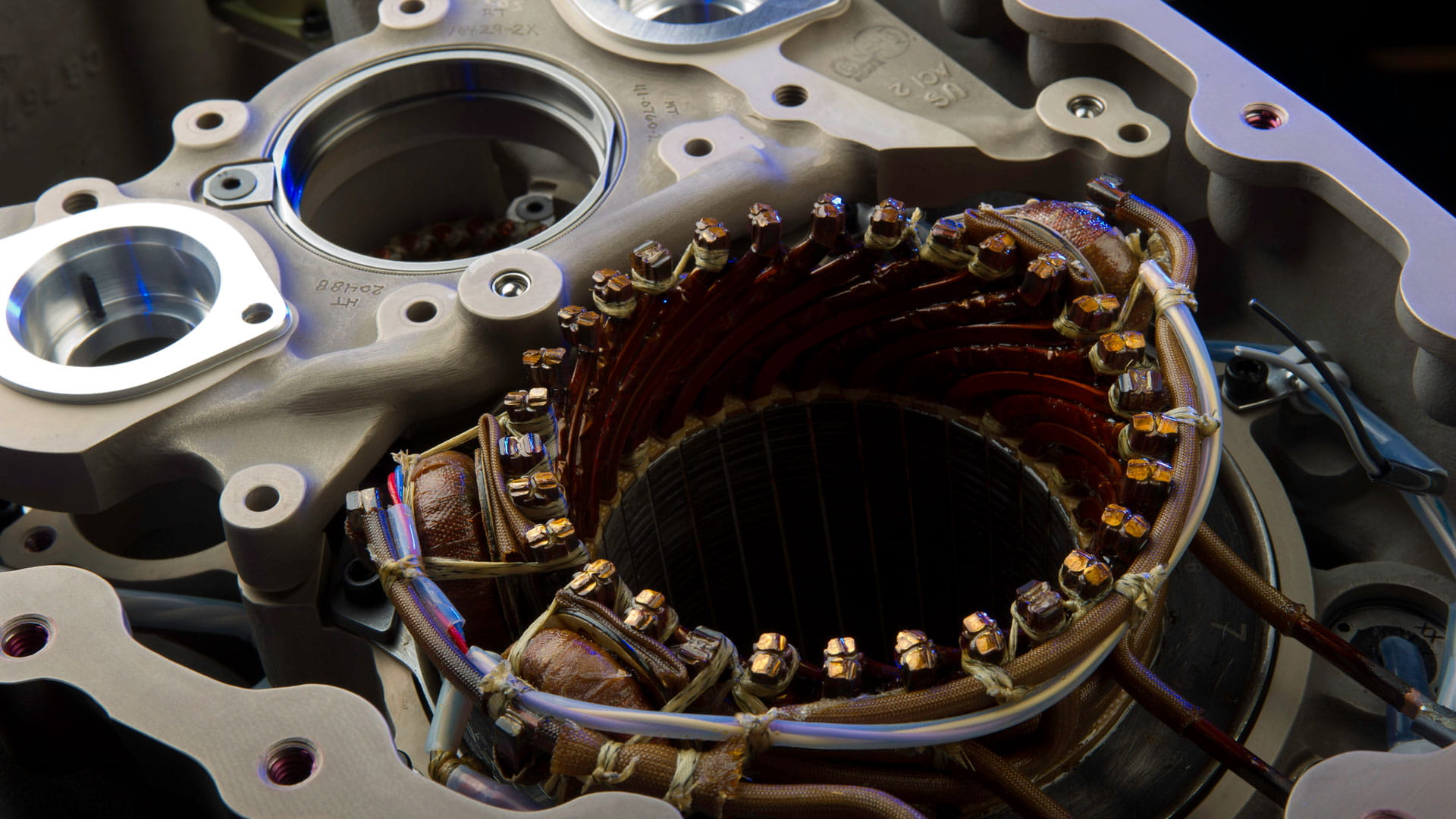
Provides the electrical capacity needed to go “twice as far, twice as fast,” as the Army often describes its vision for the MV-75 Cheyenne.
Commercially proven:
Collins generators log almost 500,000 commercial flight hours a day worldwide.
Interconnect drive system
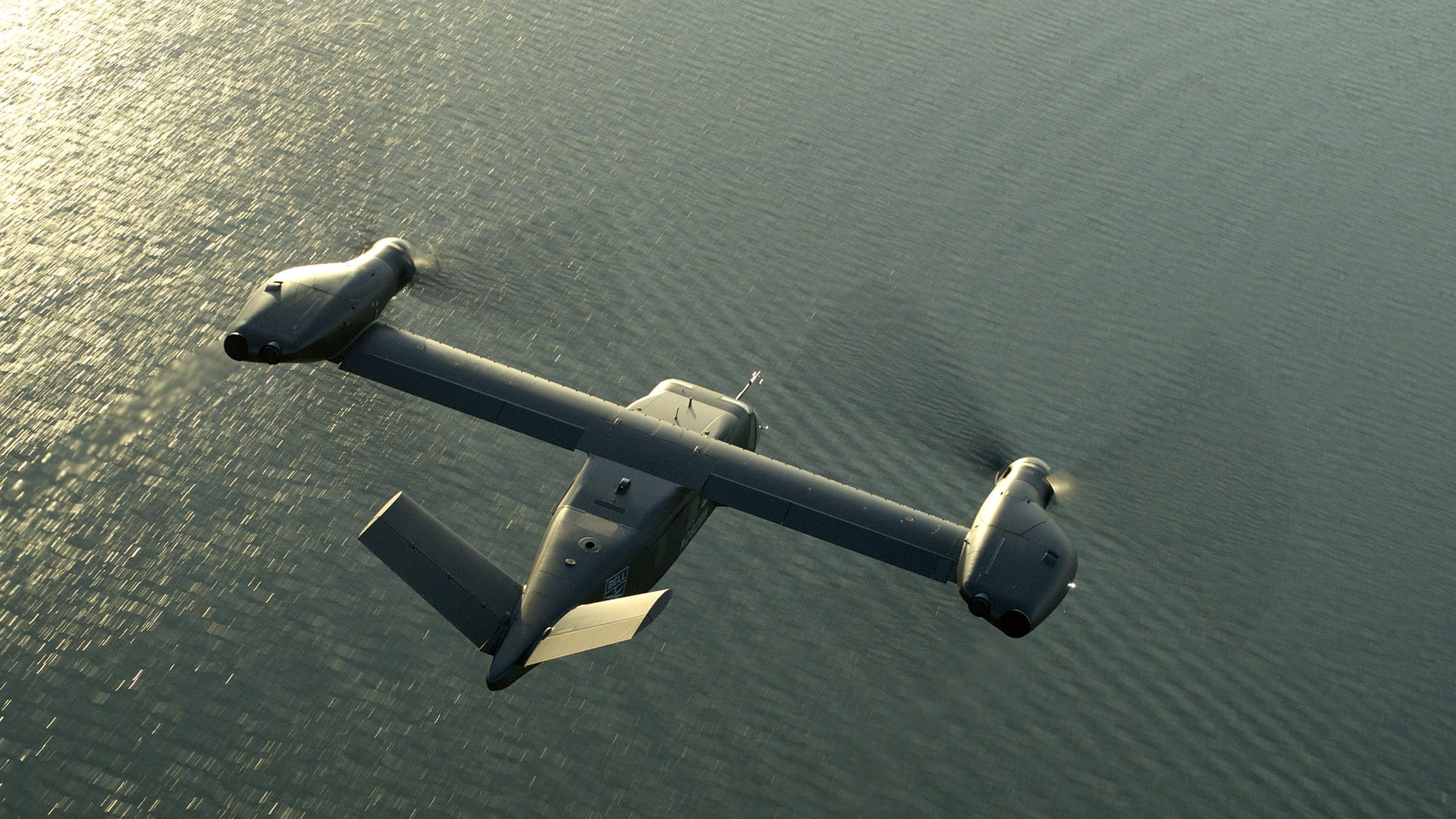
Relies on durable drive shafts to send engine power to both rotors, supporting steady, dependable performance.
Commercially proven:
Shafts and flexible couplings fly on more than 75 platforms, including the full V‑22 drive system.
SmartProbe® air data system
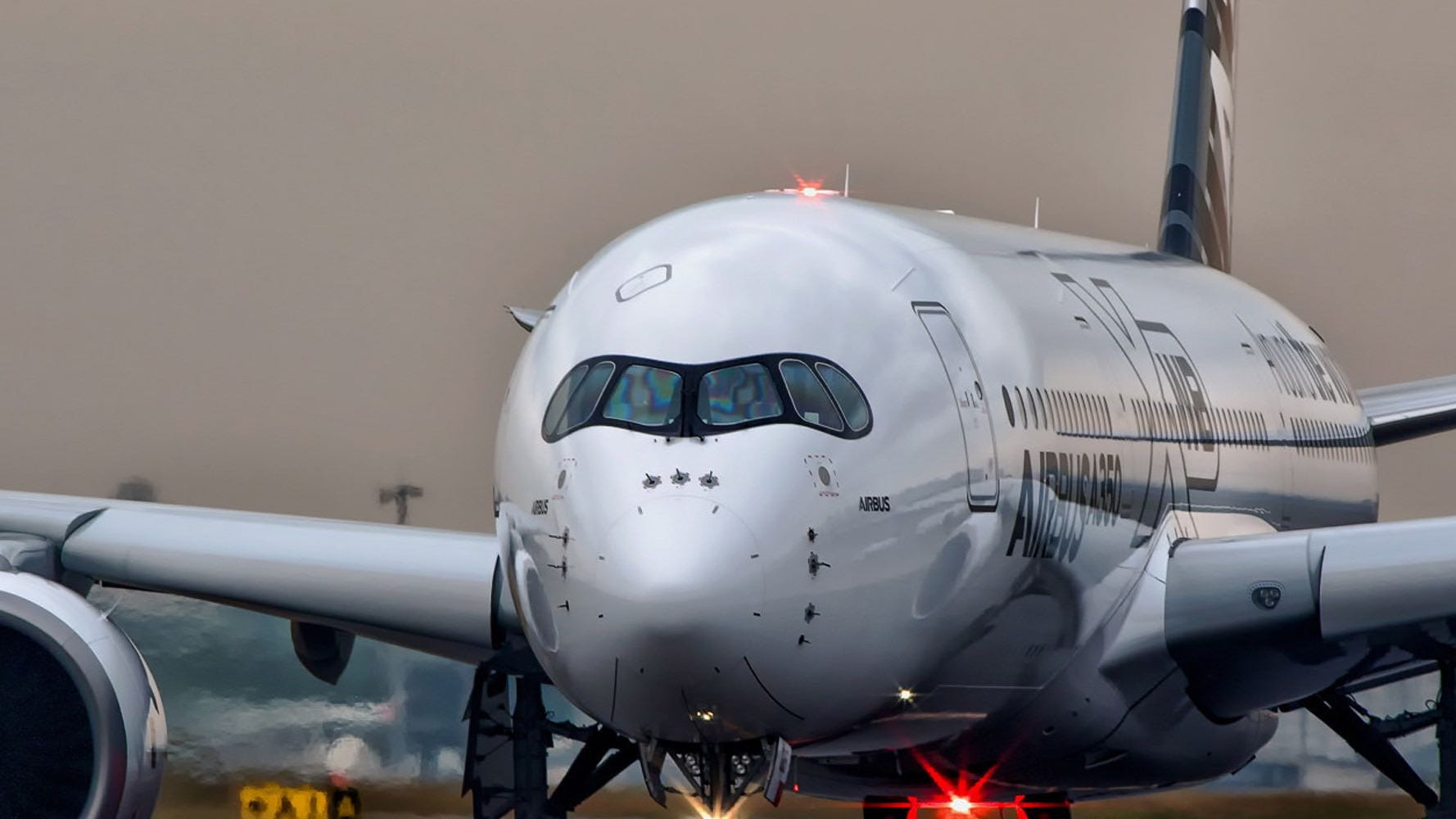
Uses advanced sensors with built-in air data computers to feed essential information to the cockpit and support better pilot awareness.
Commercially proven:
SmartProbe technology is active across more than 25 aircraft types.
Cockpit seating
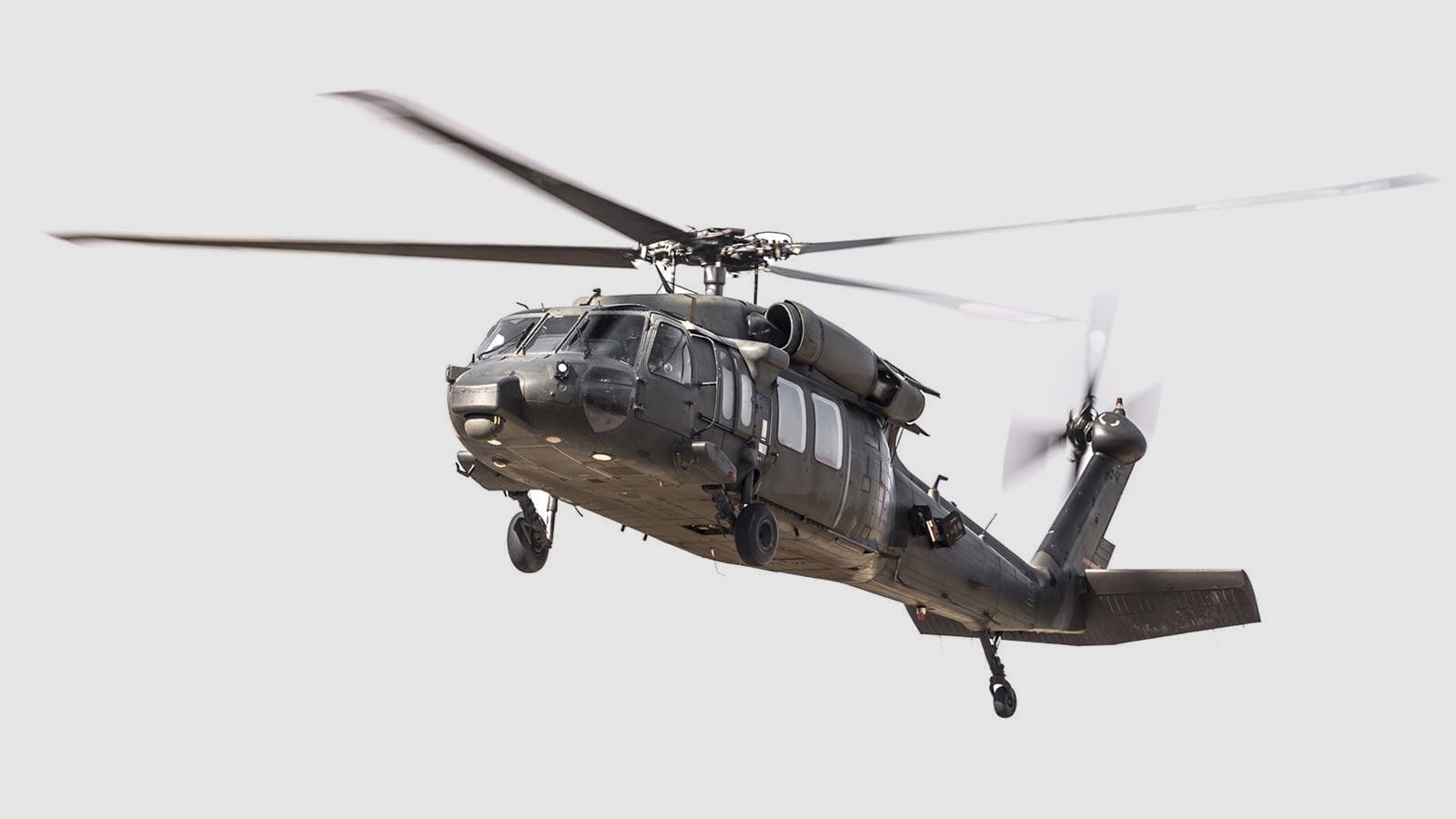
Designed to be both ergonomic and armored, provides protection while keeping crews comfortable.
Commercially proven:
Benefits from 40,000 cycles of commercial cockpit testing and the ergonomics used in business jets.
Ice protection system
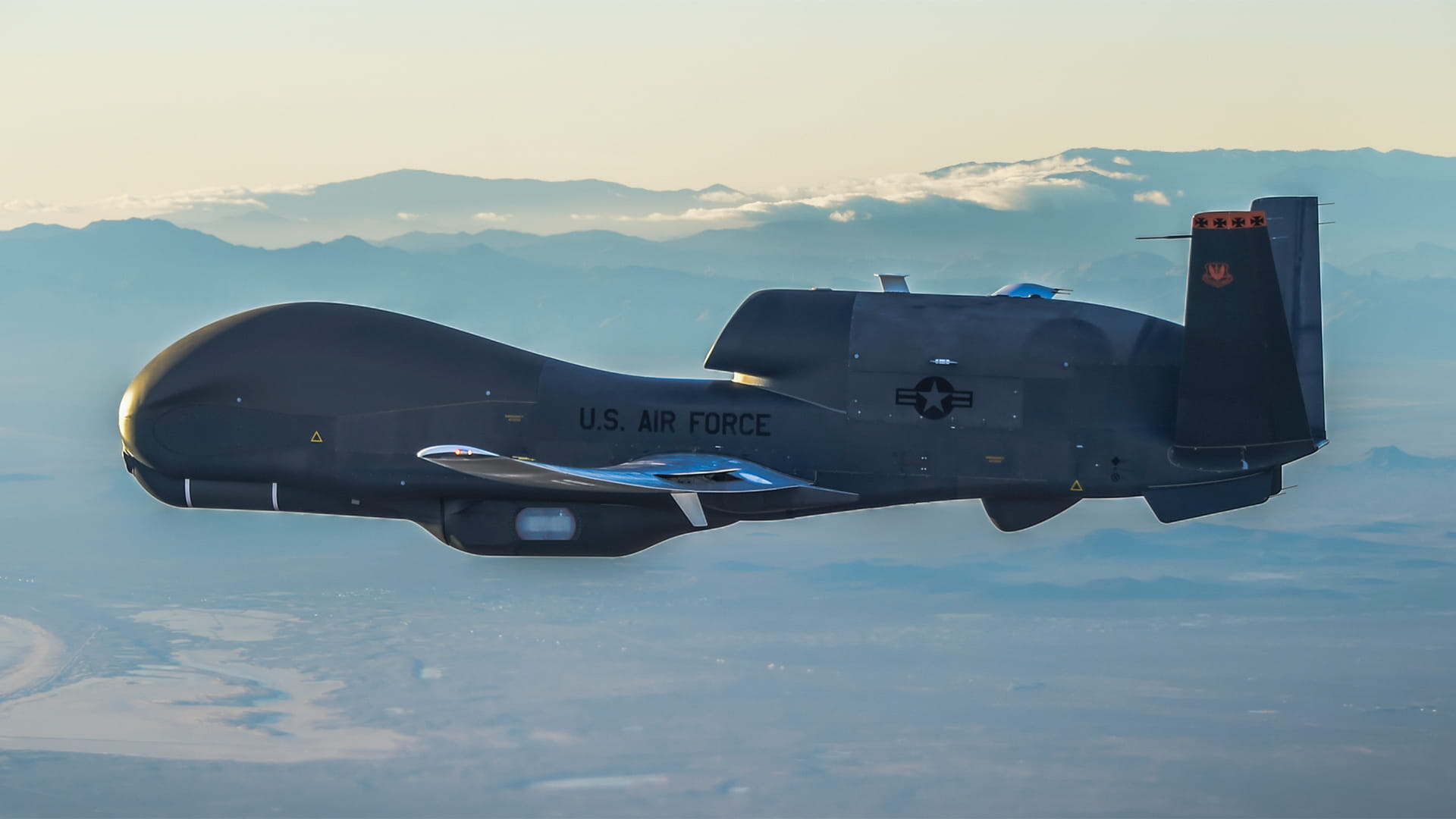
Uses proprietary technology to detect and prevent icing so the aircraft can operate reliably even in tough weather.
Commercially proven:
Draws on more than nine decades of engineering experience.
This material is based upon work supported by the Army Contracting Command - Redstone Arsenal under Contract No. W58RGZ-23-C-0001. Any opinions, findings and conclusions or recommendations expressed in this material are those of the author(s) and do not necessarily reflect the views of the Army Contracting Command - Redstone Arsenal.
News & Stories