
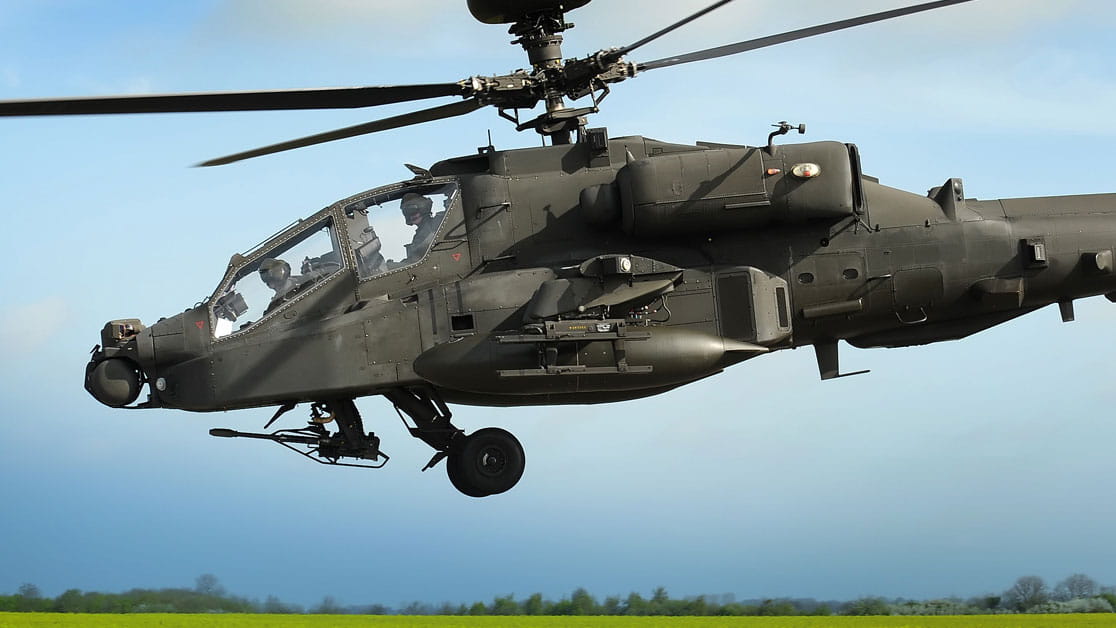

FAR Part 12 commercial acquisition often enables the U.S. Department of War (DoW) to deliver:

In less time

For lower cost
FAR Part 12 Commercial Acquisition Overview

Download our infographic
For over three decades, the U.S. Congress and the Department of War (DoW) have recognized that government acquisition of commercial products and services for defense applications can increase competition, reduce costs and expand access to new technologies, processes and products.
Commercial products and services – particularly those determined as commercial “of a type” through the Federal Acquisition Regulation (FAR) Part 12 framework – bring considerable advantages to the DoW and to taxpayers.
Under FAR Part 12, as long as a product is “of a type” that is currently commercial, then the DoW should classify the product as commercial. The military version of the commercial product can be designed slightly differently, but if it is “of a type” – or similar to – then it should be a commercial product.
Once a product obtains a favorable commercial determination, the DoW can rapidly deploy this advanced technology and ongoing product enhancements to the warfighter. This helps reduce costs by leveraging commercial investments in R&D that are typically funded by the U.S. Government under the traditional FAR Part 15 acquisition process.
This allows for easier and less expensive upgrades, mitigating obsolescence, and reduces barriers to entry into the U.S. government marketplace, increasing competition and available solutions.
Contract vehicles

FAR Part 12 products and services can be rapidly purchased using our contract vehicles.
- Collins is a prime contractor on the RTX Umbrella IDIQ and the OASIS+ IDIQ that both allow for FAR Part 12.
- These IDIQs can be used government-wide for expedited access to our commercial products and services.
FAR Part 12 vs. FAR Part 15
| FAR Part 12 | FAR Part 15 | |
|---|---|---|
| USG cost of upgrades |  |
 |
| USG cost of R&D | |
|
| USG cost of obsolescence | |
|
| Cost to taxpayers | |
|
| Access to new technology | + | - |
| Ease of upgrades | + | - |
| Competition | + | - |
For FAR Part 12, "substantially less cost" than FAR 15 is not the same as "no cost."
History of Commerciality
Congressional and DoW effort began with Section 800 Panel Report of 1993
The purpose of their commercial item recommendations was to draw new firms to the defense market AND enable firms to integrate their commercial and military production, which in turn enables the DoW to fulfill its mission by obtaining greater access to the latest commercial technologies.
- 1994: Federal Acquisition Streamlining Act (FASA)
- Subsequently enacted laws mandated a preference for the acquisition of commercial products and services under streamlined procedures
- 1996: Federal Acquisition Reform (Clinger-Cohen) Act
- 2004: Services Acquisition Reform Act
- FY2016, FY2017, FY2018, and FY2022: National Defense Authorization Acts (NDAAs)
- 2019: A Section 809 Panel report proposed further changes to improve the current commercial item acquisition process, to include adding the use of commercial processes into the FAR definition of commercial
Despite decades of work by legislators, DoW officials and the aerospace and defense industry, DoW acquisition of commercial innovation has become increasingly challenging. In fact, in 2014, over a decade ago, the Defense Business Board confirmed that the entire industry’s ability to provide the DoW with leading-edge commercial technology was under increasing threat.
This is due in part to an approach from some lawmakers, oversight bodies, and members of the DoW workforce that take an unnecessarily narrow view of the commercial definitions, in contrast to Congressional assertions that the definitions are to be interpreted broadly.
At Collins, we believe that the DoW should be advocating for its workforce to take a broader interpretation of commercial “of a type” products and services in order to ensure the latest technology gets to the warfighter in a rapid, cost-effective manner
FAR Part 12 in action
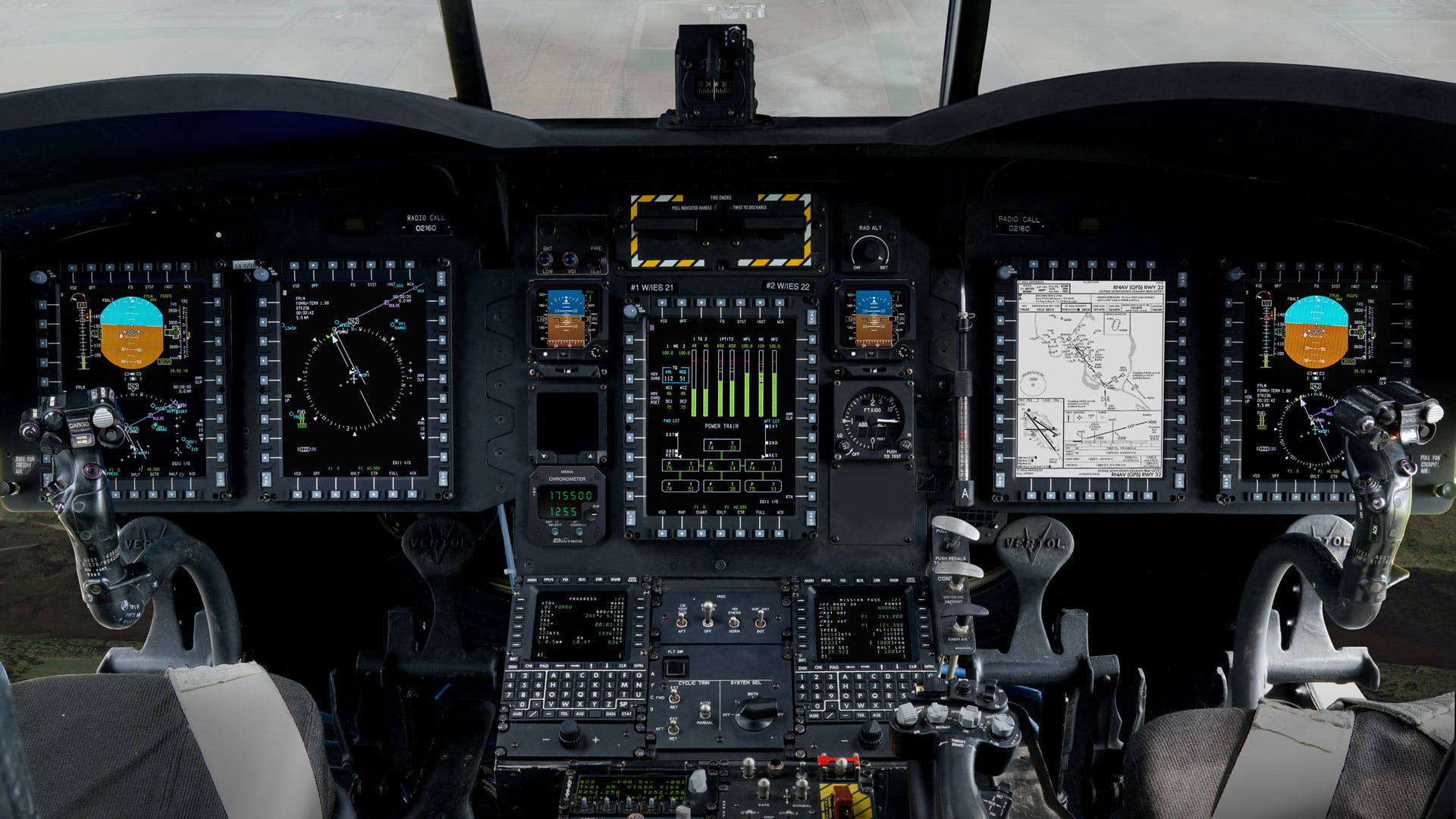
Collins commercial “of a type” Common Avionics Architecture System (CAAS) saved the Pentagon over $160 million, applied over 20 years and $300 million in commercial development, and was delivered in just 13 months vs. 24 - 36 months.
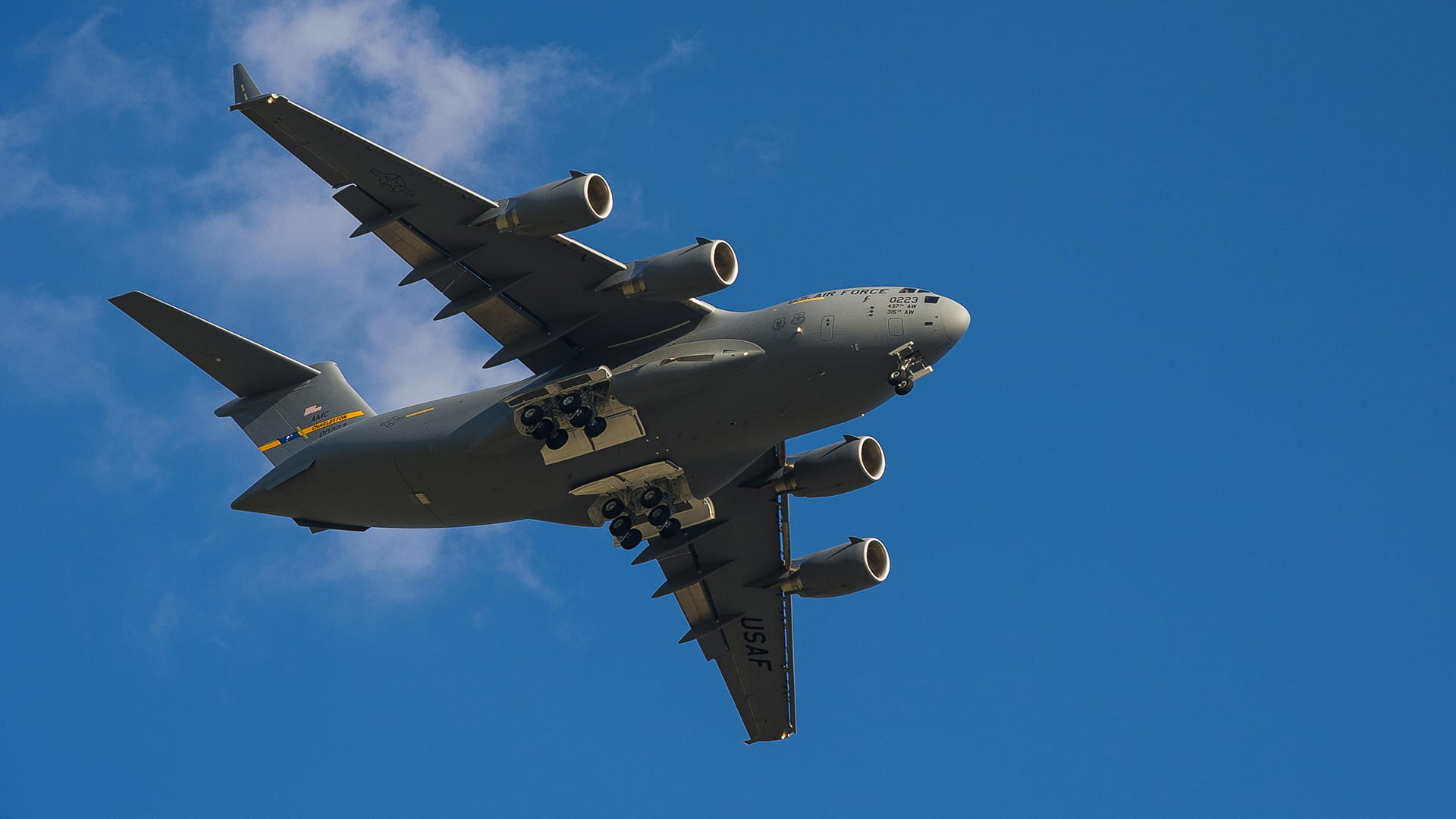
Collins commercial “of a type” (military application) Integrated Landing Systems (ILS) took advantage of $40 million worth of previous investments from our commercial ILS.
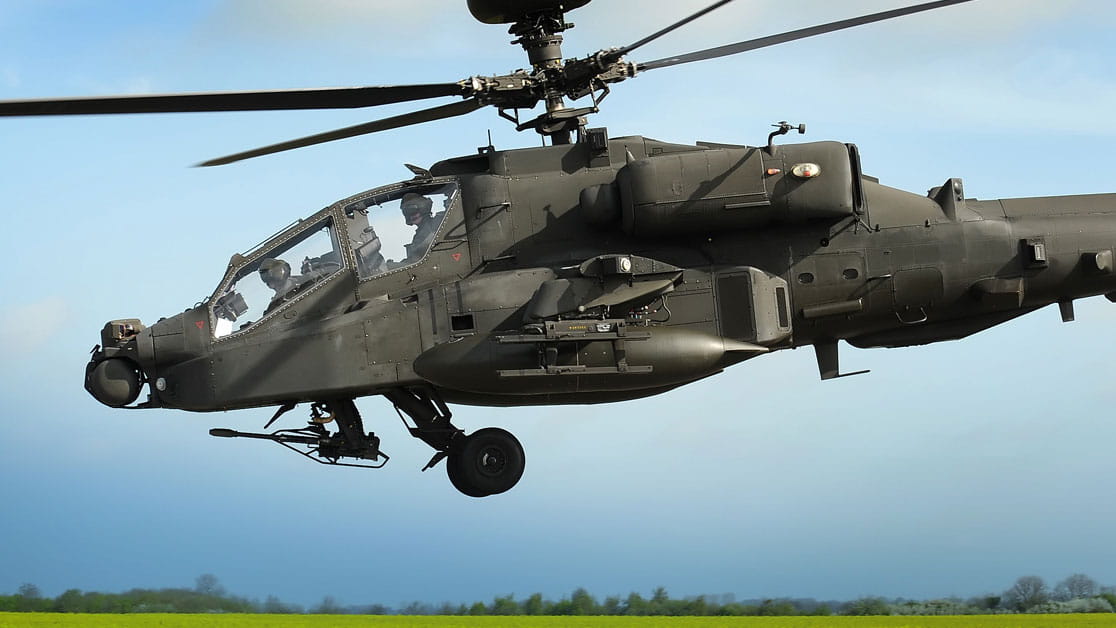
The Collins commercial “of a type” Integrated Vehicle Health Management Unit (IVHMU) applied $10 million in private development investment, reducing costs for the U.S. Government and taxpayers. It also provides IVHMU in a smaller, lighter and more functional form and reduces two line-replaceable units down to only one.
Ready for takeoff
These solutions and many more are available now through the use of FAR Part 12 procedures and broader acceptance of dual-use commercial technology by "of a type" and other commercial classifications.

Composites and advanced materials technology

Predictive health management

Fire protection

Electric power generation systems

Seating technology

Fuel valves