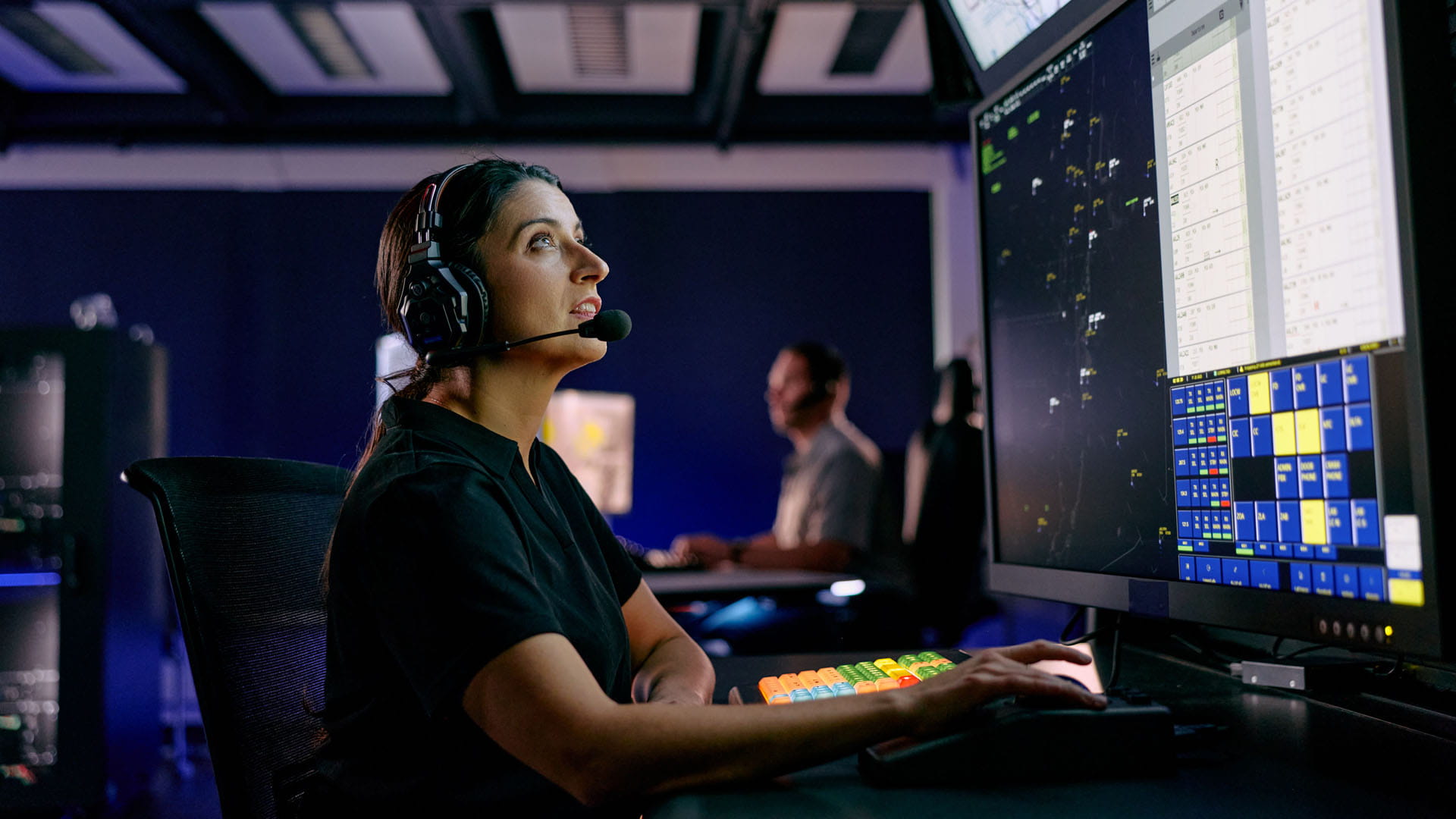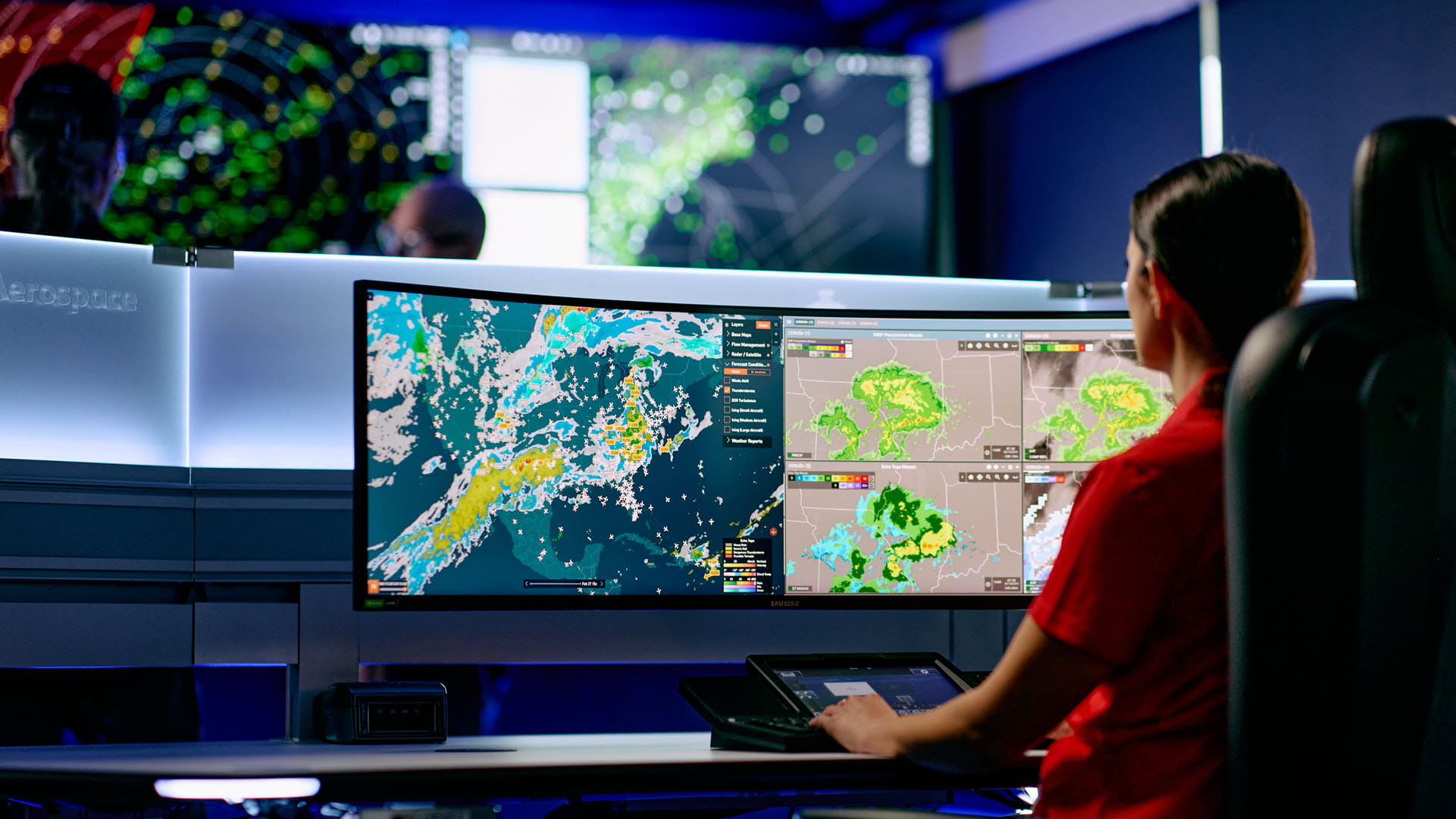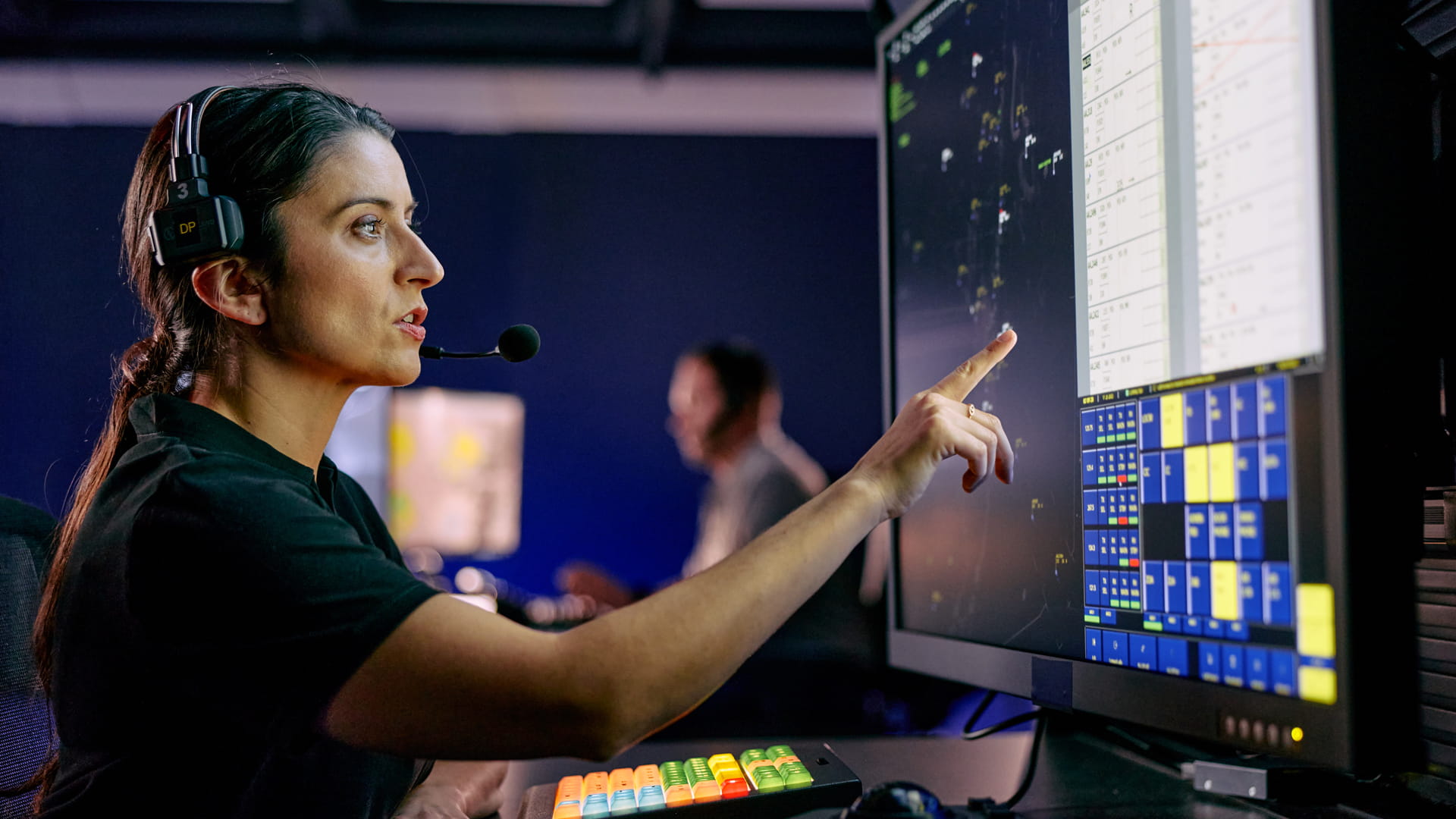
Air traffic management is operating in a fundamentally different environment than it was even a decade ago. Traffic demand is more volatile, airspace is more complex, and stakeholders are more operationally interconnected than ever before. Today, air traffic management requires a more dynamic and adaptive system, able to respond to real-time airspace changes quickly, efficiently and safely
Collins Aerospace offers ATM common automation solutions purpose-built to address this shift. Our portfolio enables air navigation service providers, airlines, airports, and other aviation stakeholders to move beyond siloed systems toward an integrated, enterprise-scaled operating environment that supports a stable, more efficient, more resilient and more collaborative airspace operation.
Common automation highlights
By connecting teams, tools, and procedures across all air traffic operational domains, a modern common automation platform is able to significantly improve the integrity and accuracy of information shared across all phases of flight; a baseline requirement for achieving Trajectory Based Operations and its many benefits.
Pilots and flight crew are able to reduce workload through advanced, automation enabled decision-support tools such as Controller Pilot Data Link Connection which reduces the need for voice communications, manual avionics data entries, and associated human-factor related errors.
Airlines and operators are able to optimize fuel burn and operating costs through automation-enabled gate-to-gate efficiencies to include trajectory-based flight planning and execution.
Common automation is able to improve runway and gate utilization at airports by distributing centrally stored and tracked end-to-end flight data to operational tools such as Arrival-Manager and Departure Manager systems.
Automation as a common platform connects what are often disparate ATM systems with common data, tools, and procedures which improve schedule reliability and reduce delays, cancellations, and missed connections for passengers.
By connecting the operational layers of air traffic through automation, overall airspace capacity is able to expand which supports national and regional economic growth driven by air cargo, tourism, the rise of drone enabled commerce, and more.
Advanced automation platforms are capable of providing early detection and resolution-support for airborne conflicts and operational hazards to air traffic control to increase the safety of airborne flights, as well as everyone on the ground.
At Collins Aerospace, we deliver proven air traffic automation through industry-trusted systems including AutoTrac and the Standard Terminal Automation Replacement System (STARS). Our AutoTrac Common Automation Platform supports the ability for Air Navigation Service Providers (ANSPs) to meaningfully realize terminal, en route, oceanic, and surface operational improvements. Coupled with our common controller workstations, we enable safer, more efficient air traffic management across complex airspace and can help the Federal Aviation Administration (FAA) and global ANSPs modernize legacy systems to improve reliability, scalability and operational continuity.
Request information
I would like more information about this capability.
Contacts
Air Traffic Solutions