Critical capability: Counter-drone technologies
Raytheon-made munition uses invisible attack to defeat drone swarm
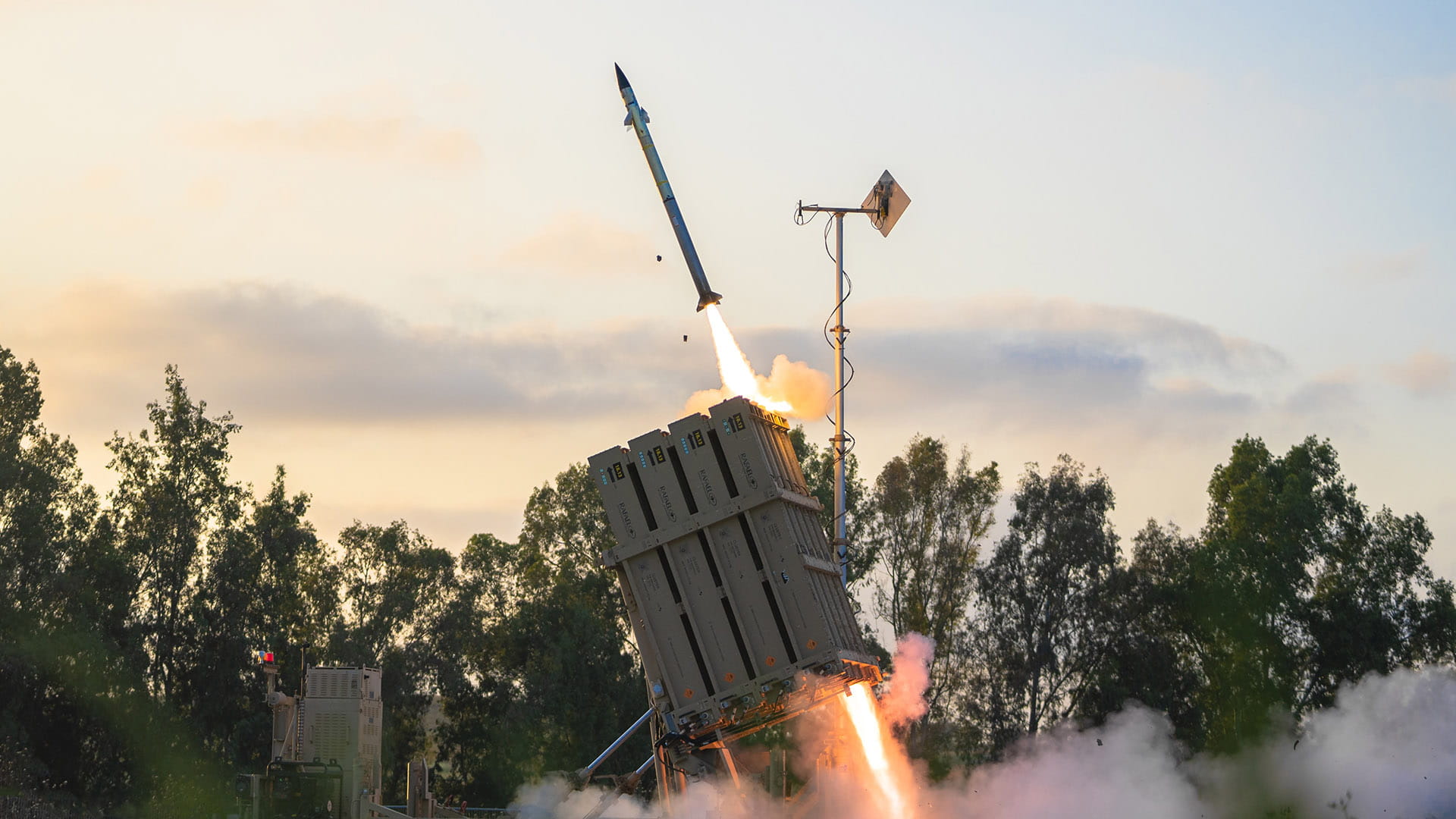
In a recent demonstration for the U.S. Army, a Raytheon-made Coyote® Block 3NK munition used an invisible method of attack to defeat a swarm of drones.
That capability, known as a non-kinetic effect, provides two key advantages: It minimizes collateral damage, and it provides a cost-effective option to clear the airspace of the cheap, commercially available drones that adversaries are using to threaten, spy on and attack U.S. and allied forces.
But it’s just one way Raytheon, an RTX business, is equipping the military to do battle with drones. Here are a few others:
Non-kinetic Coyote variant defeats drone swarms
Kinetic effects
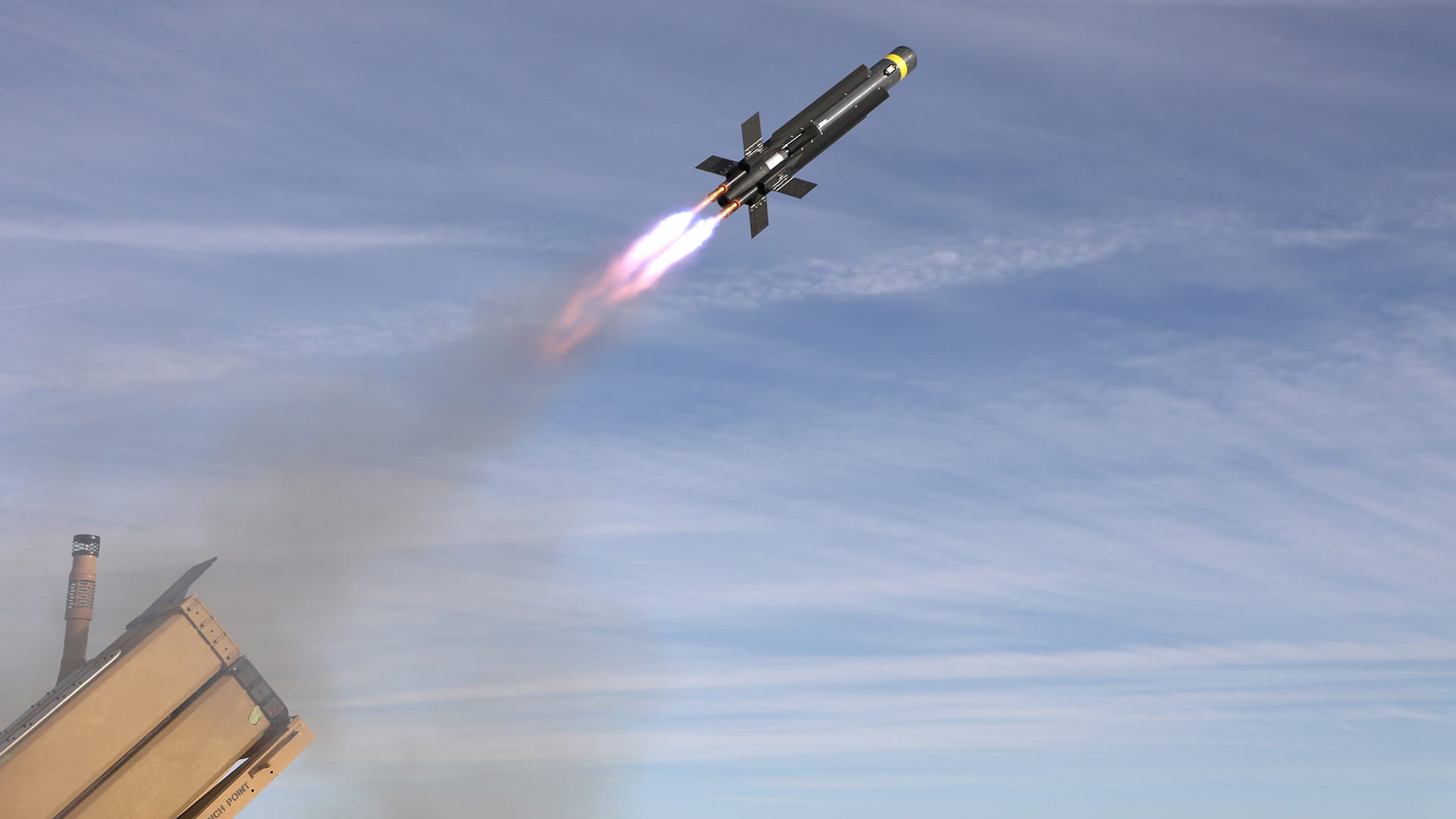
Unlike non-kinetic effects, which use directed energy such as lasers or high-powered microwaves to damage and defeat drones, kinetic effectors use physical force – crashing into their targets or detonating near them.
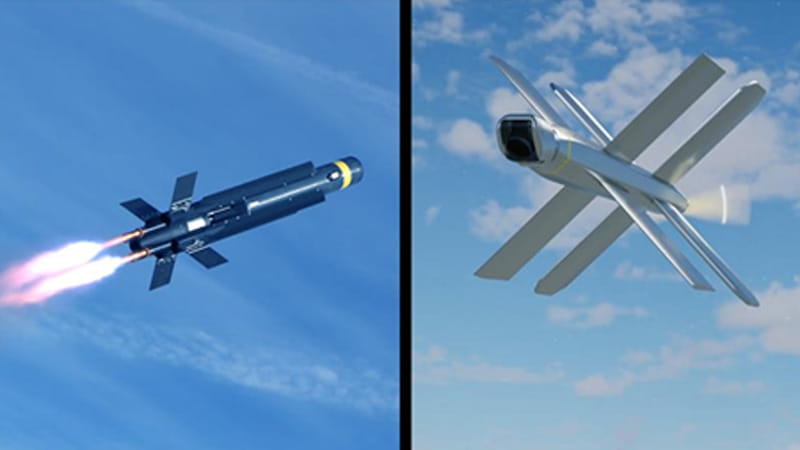
Examples of kinetic counter-drone effectors include the Coyote® Block 2 munition, the Stinger® missile and Next Generation Short Range Interceptor.
Radars
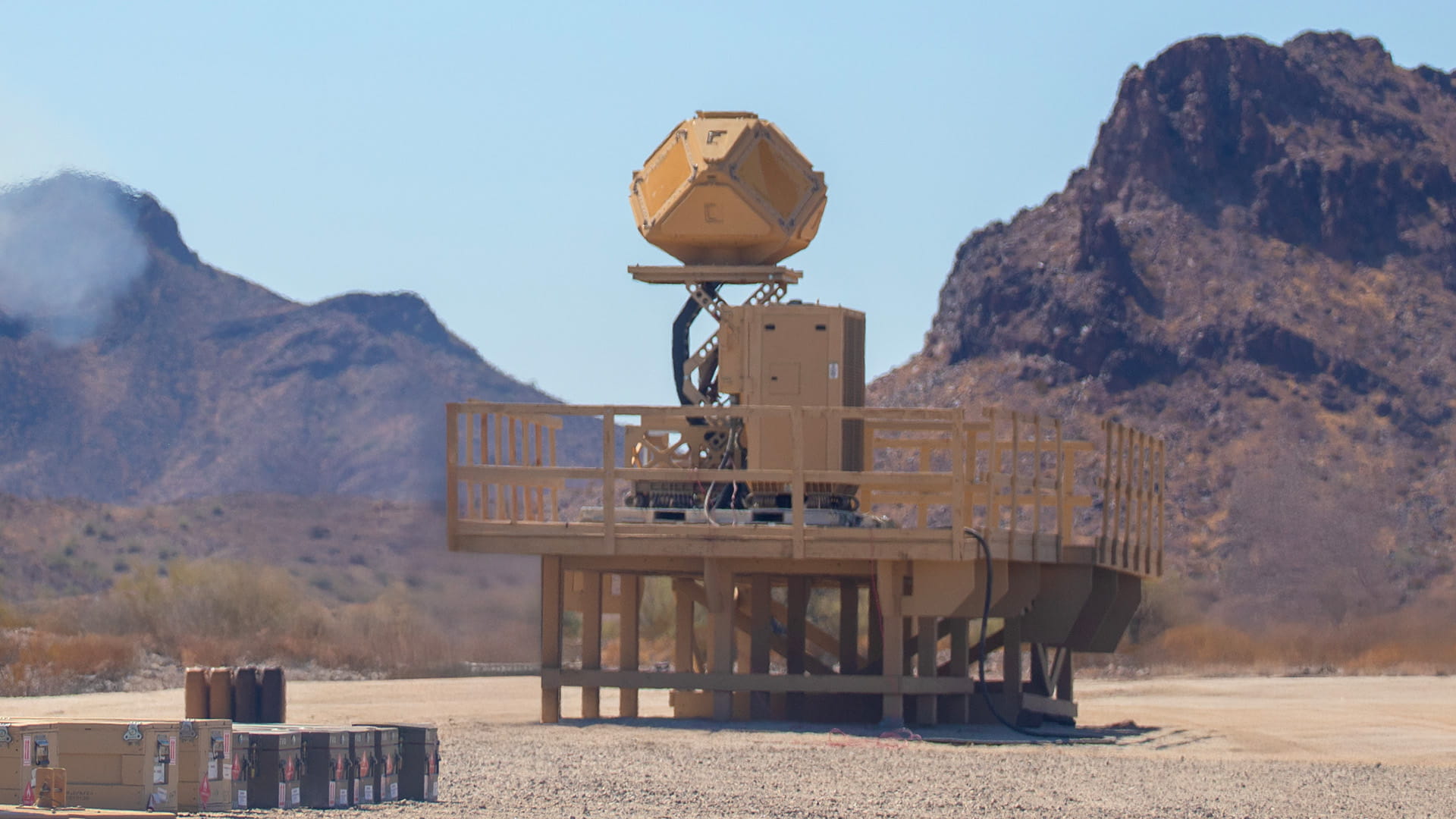
To defeat drones, you first have to see them – a challenge given how small and maneuverable they can be.
The Raytheon-made KuRFS radar answers that call. It has highly precise sensing and fire control, thanks largely to its use of active electronically scanned array, or AESA, technology, and its ability to operate in what's known as the Ku-band of the electromagnetic spectrum, where short wavelengths provide sharp image resolution.
High-energy lasers
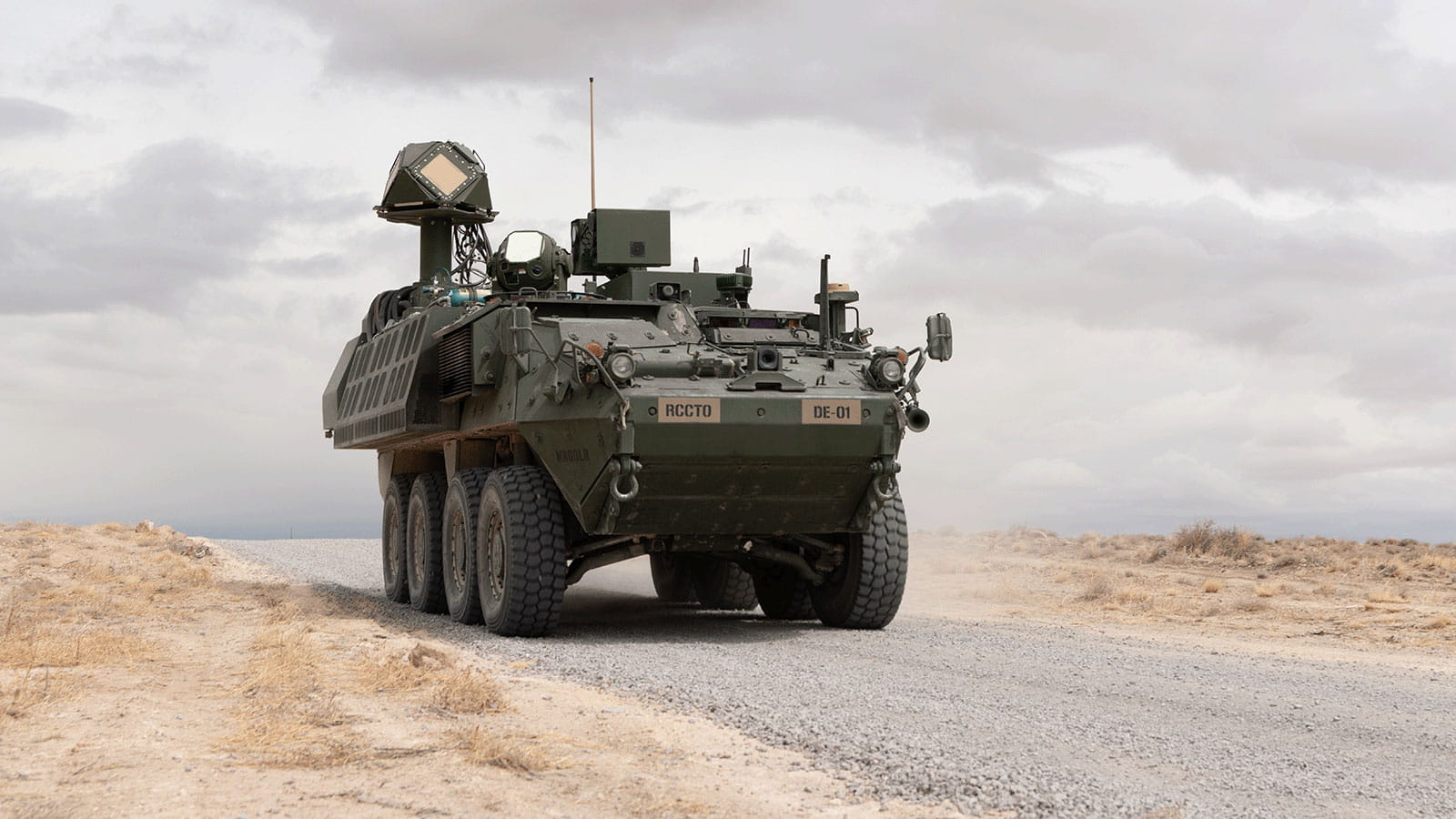
These systems use highly concentrated particles of light, or photons, to burn through targets such as drones and rockets.
Raytheon has developed several variants of its High Energy Laser Weapon Systems, or HELWS, ranging in power from 10 kilowatts to 50 kilowatts.
Start exploring

Connecting and protecting our world
We answer the biggest questions and solve the hardest problems in aerospace and defense.
Watch video
How do we detect and defeat enemy drones?
Insights on Raytheon’s portfolio of sensors and effectors for the complete counter-UAS mission.
Learn more

Faster, farther and ready for the future
Built with feedback straight from soldiers, Raytheon’s replacement for the Stinger missile will fight drones and deliver new capabilities.
Learn more