Adaptive Technology
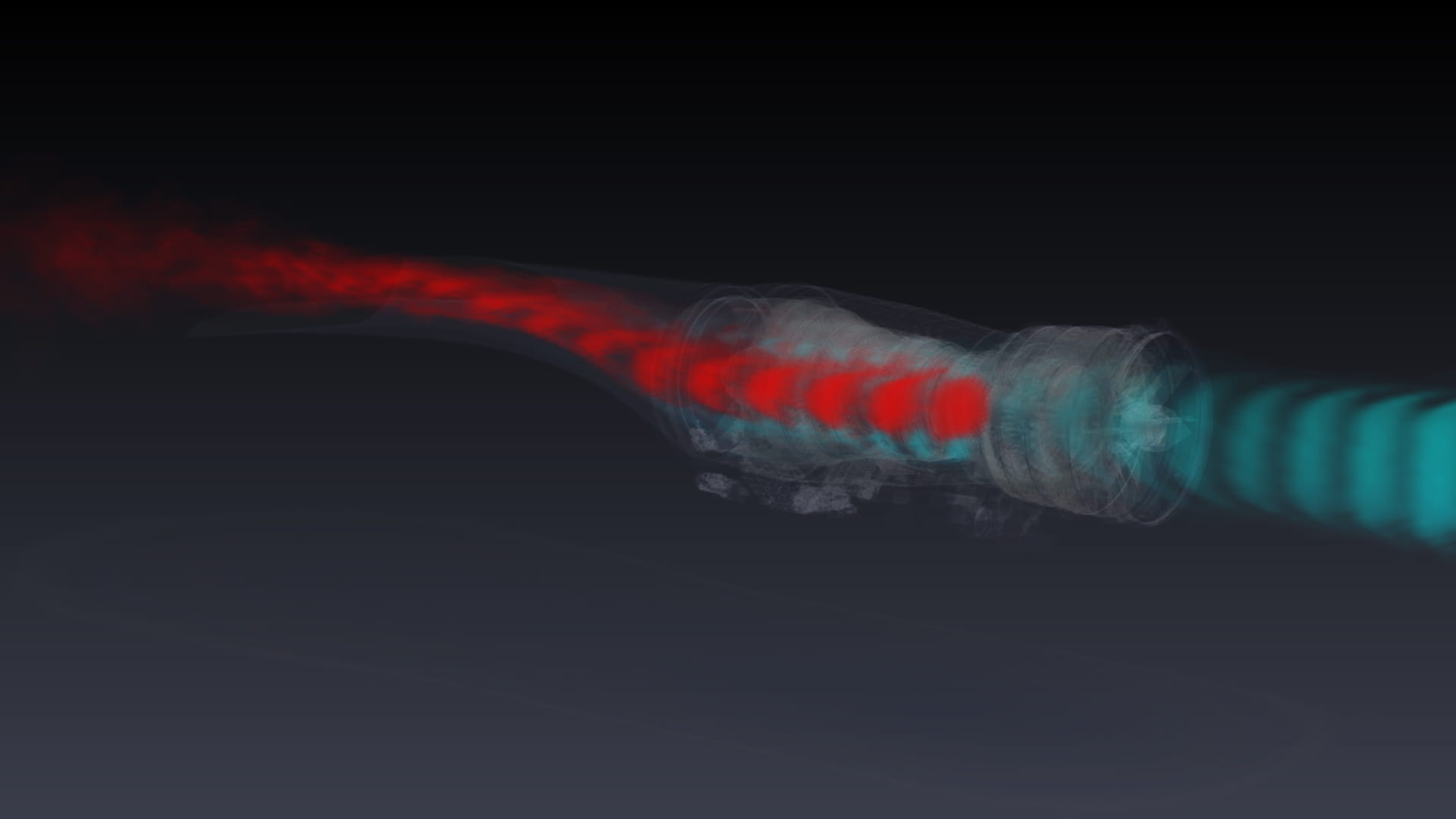
The engine’s adaptive architecture means that features actively adjust to enable optimized fuel efficiency, survivability, and power and thermal management beyond the capabilities of fourth- and fifth-generation engines.
Military Engines
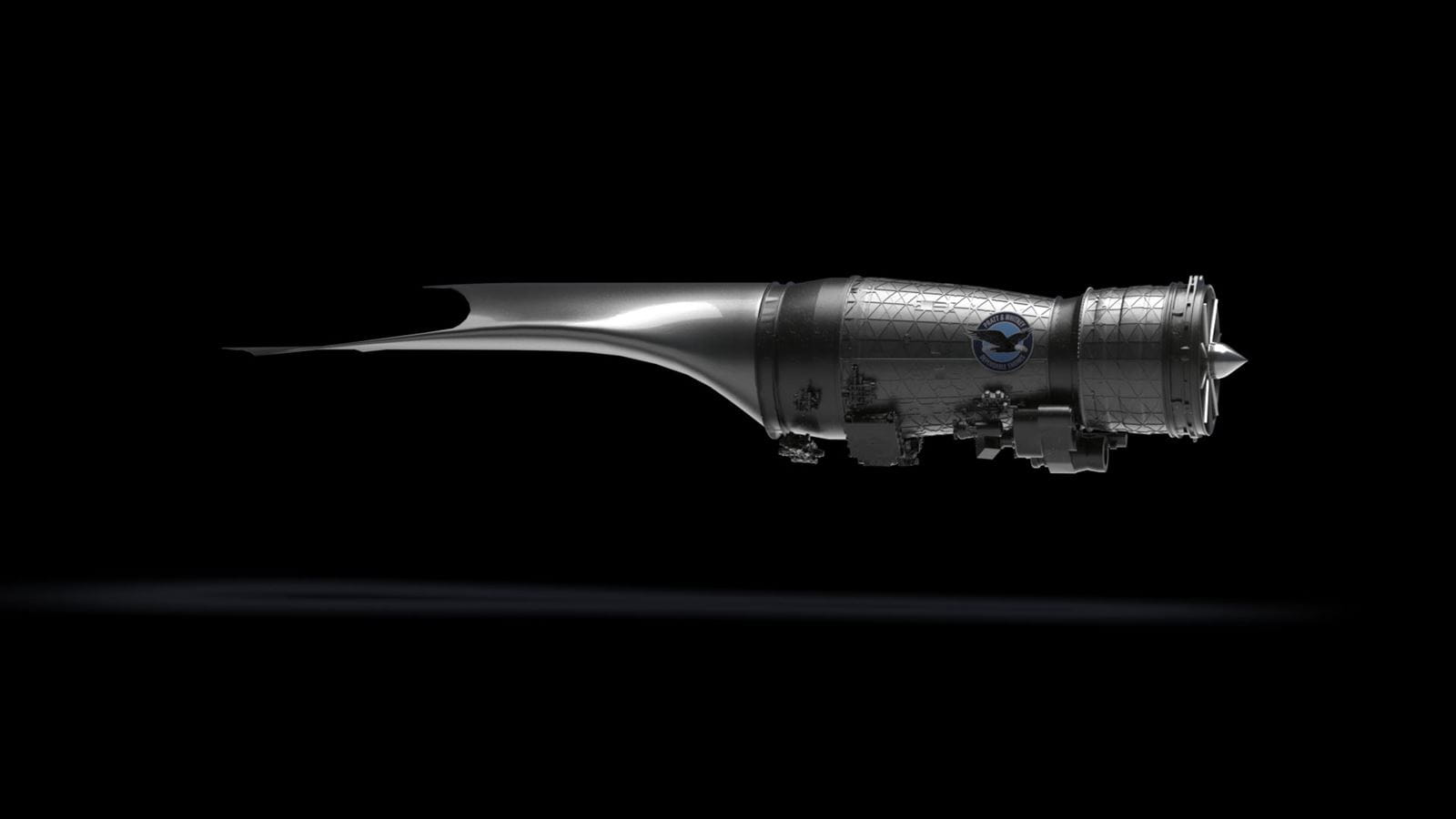
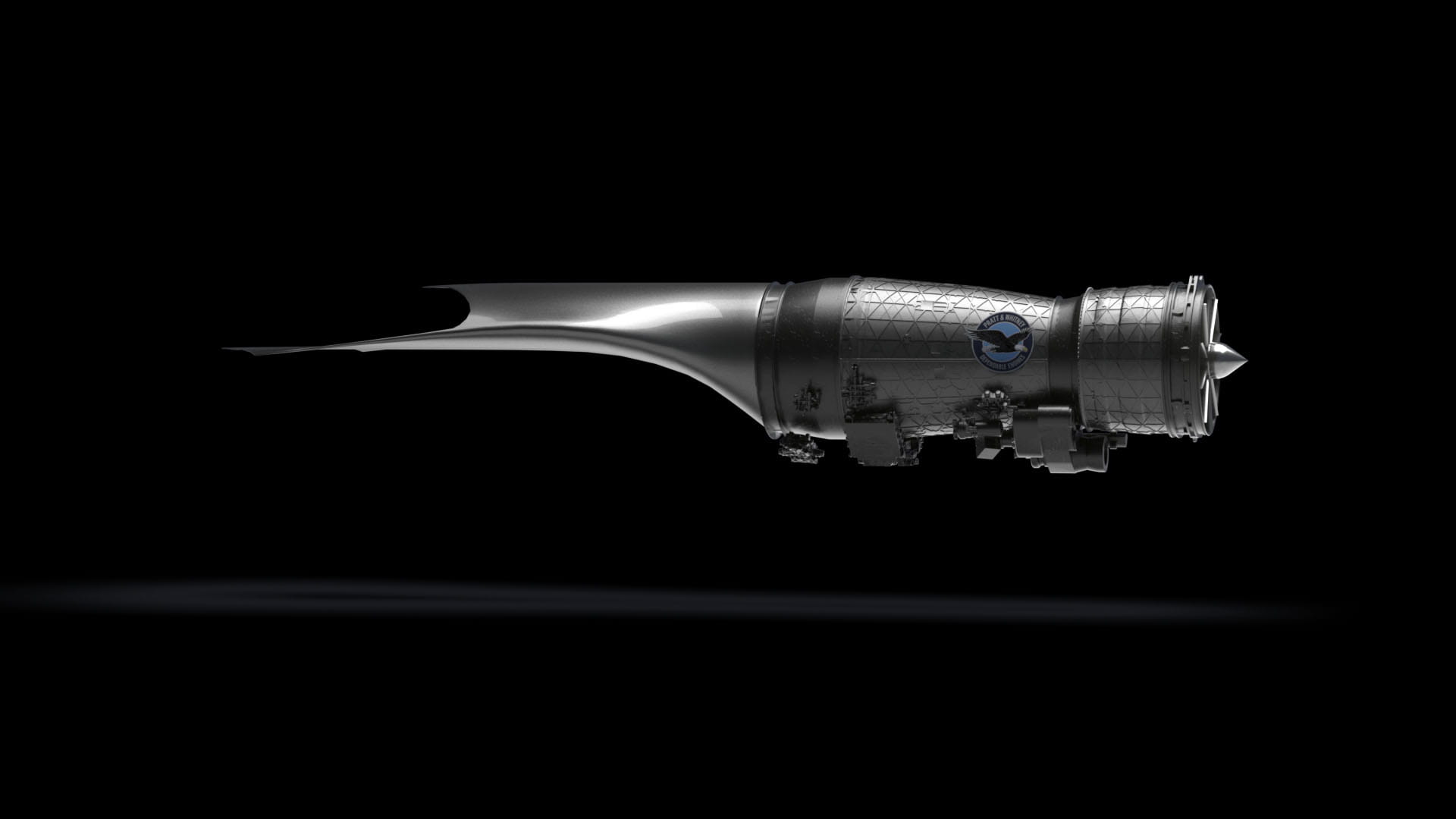
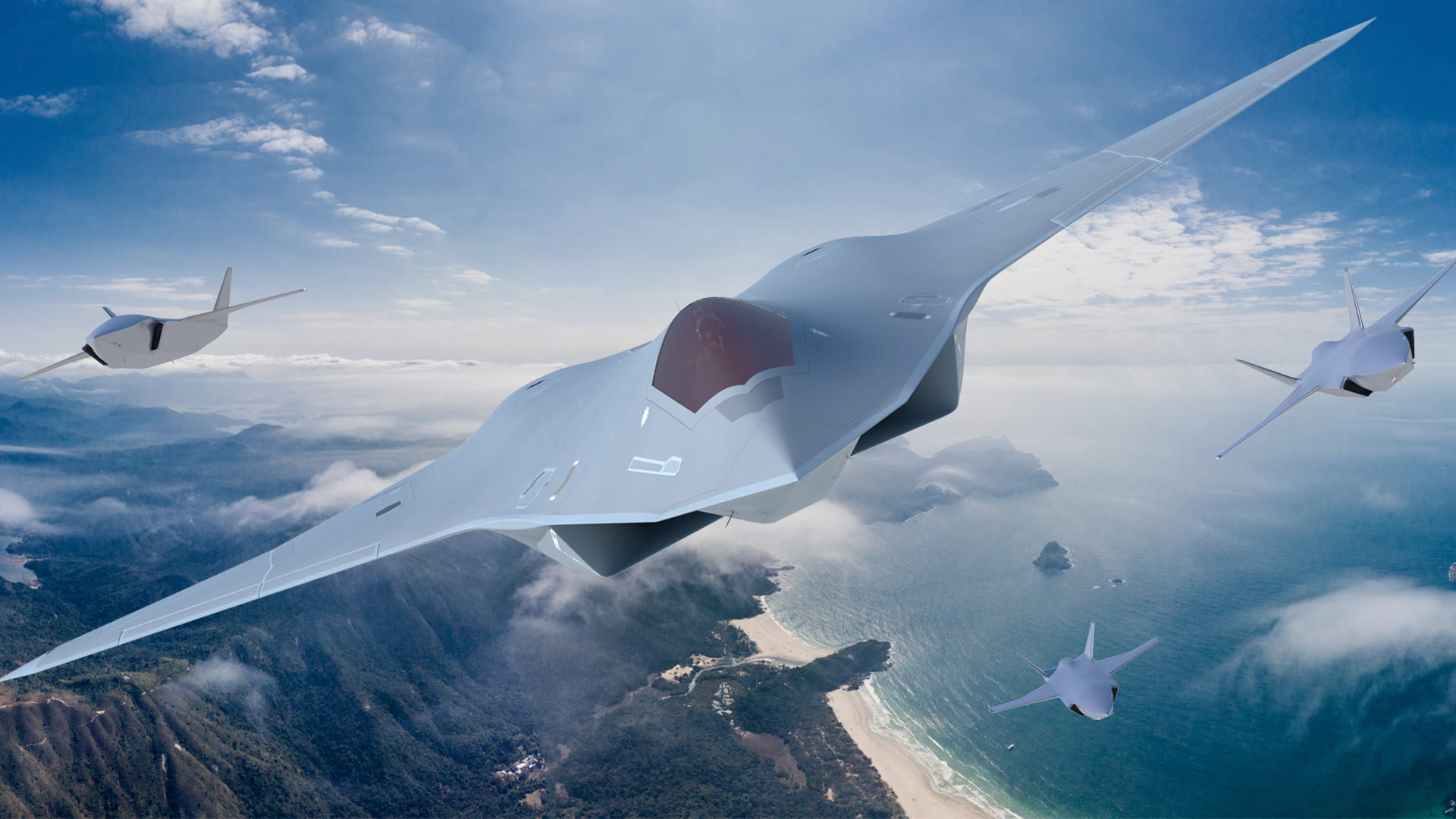
The XA103 engine is in development and is Pratt & Whitney’s offering for the U.S. Air Force’s Next Generation Adaptive Propulsion program. The engine’s adaptive architecture actively adjusts components to provide optimized fuel efficiency, survivability, and power and thermal management. This step change in technology enables the required range, weapon and sensor capability, and the persistence that future air dominance platforms will require to meet challenging operational needs.
Pratt & Whitney has completed both the preliminary design review and the detailed design review on its XA103 engine. The team is executing the next phase of the contract, procuring hardware for the construction of its prototype ground demonstrator, which is expected to test in the late 2020s.

The engine’s adaptive architecture means that features actively adjust to enable optimized fuel efficiency, survivability, and power and thermal management beyond the capabilities of fourth- and fifth-generation engines.

Pratt & Whitney is the premiere fifth-generation propulsion provider with access to volumes of combat-proven data from the nearly two million flight hours across its F119 and F135 engines. This data continues to inform the development of its advanced engines.
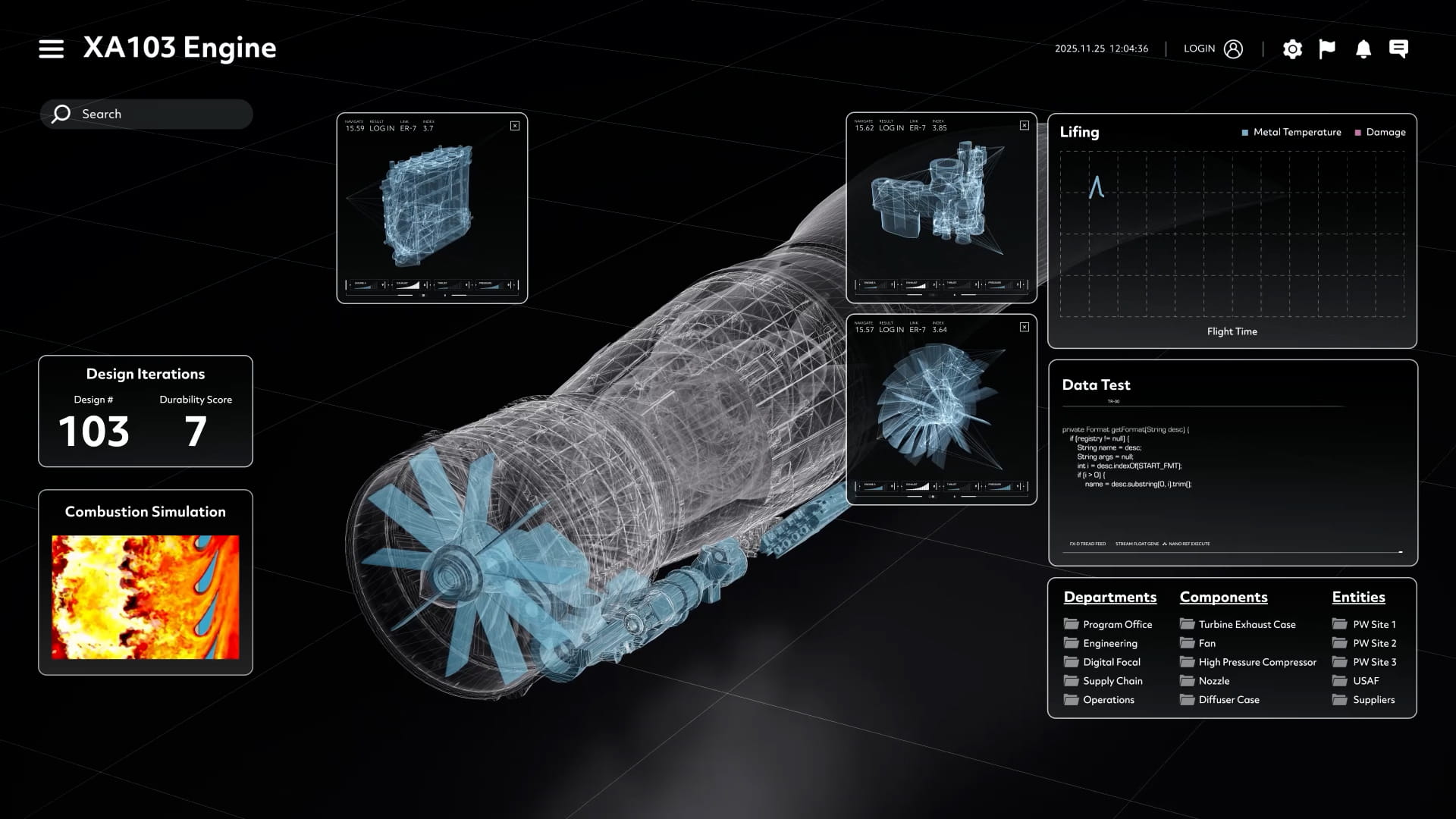
Digital processes throughout the lifecycle are crucial to rapidly and efficiently deliver advanced warfighter capabilities. The digital tools and processes that the XA103 team has demonstrated, and will continue to advance, will be at the foundation of our technology maturation for future solutions.
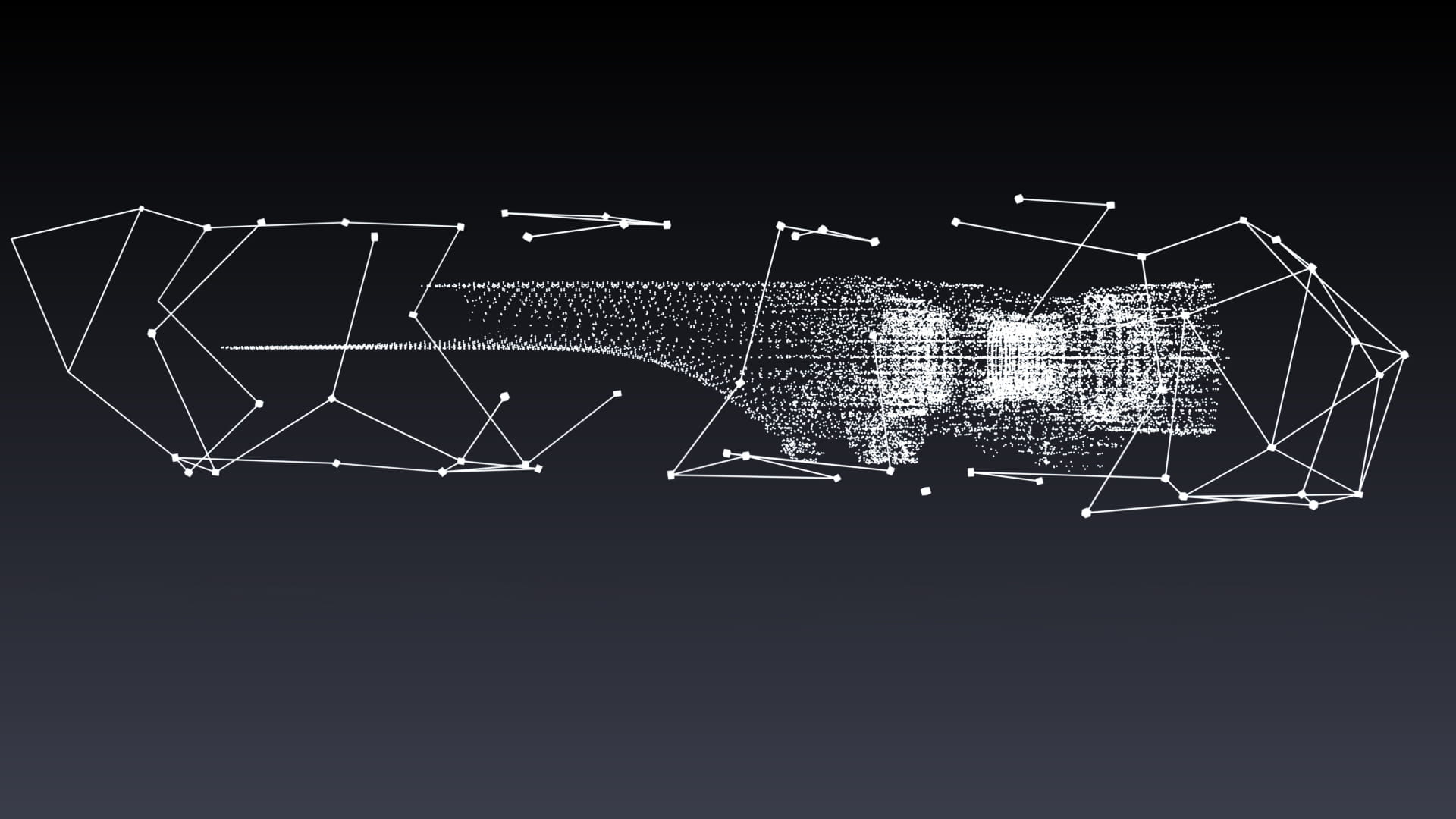
The XA103 engine’s model-based design and digital twin foundation enable rapid design iteration, improved resource forecasting and systems integration handoff accuracy, helping to deliver at the speed of relevance. Pratt & Whitney has established a collaborative digital environment, allowing for reviews that are more comprehensive as it provides direct access to digital artifacts and engineering tools for key stakeholders. Take a look:

Alex Johnson | Director, Adaptive Engine Programs | Pratt & Whitney