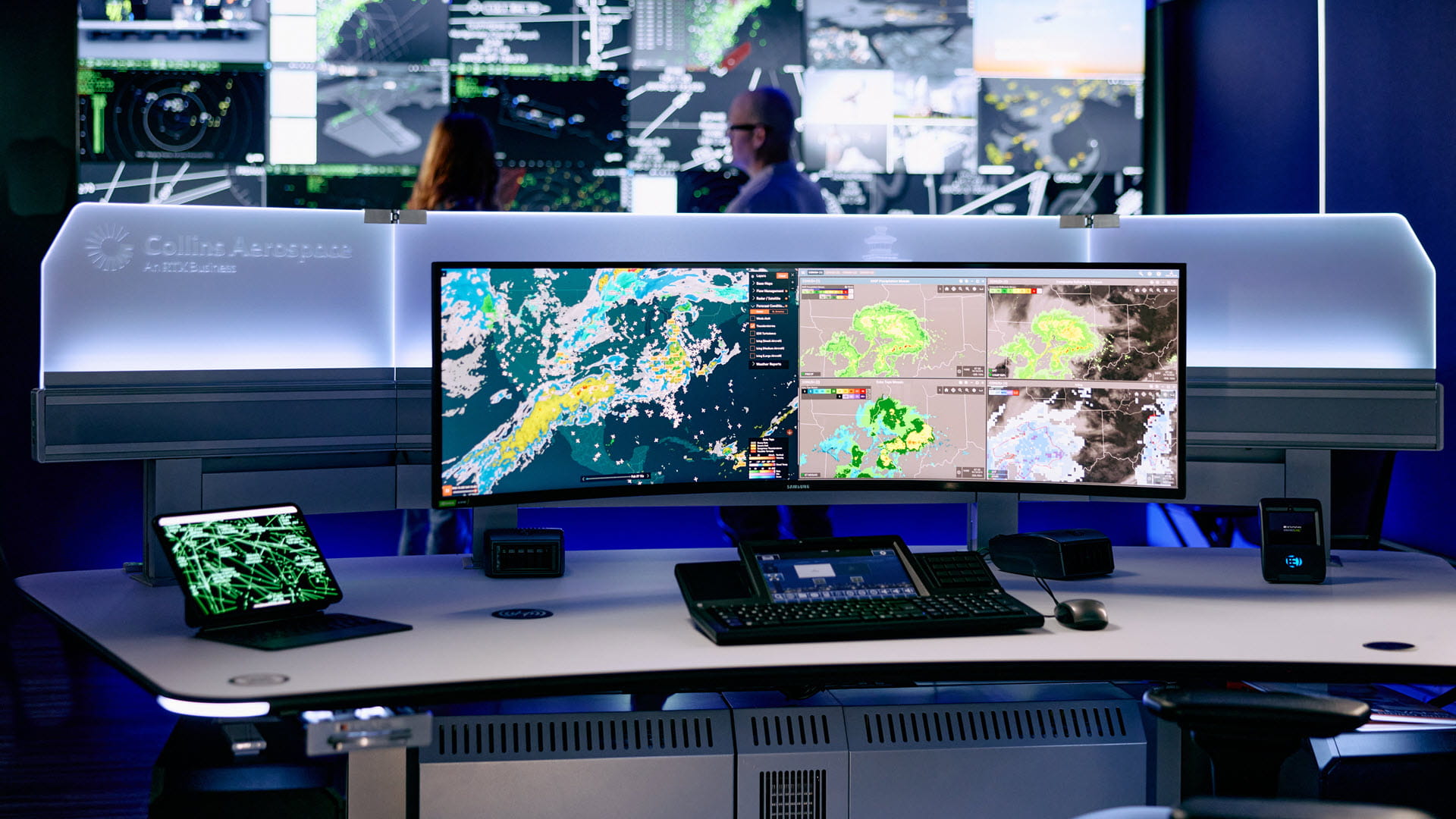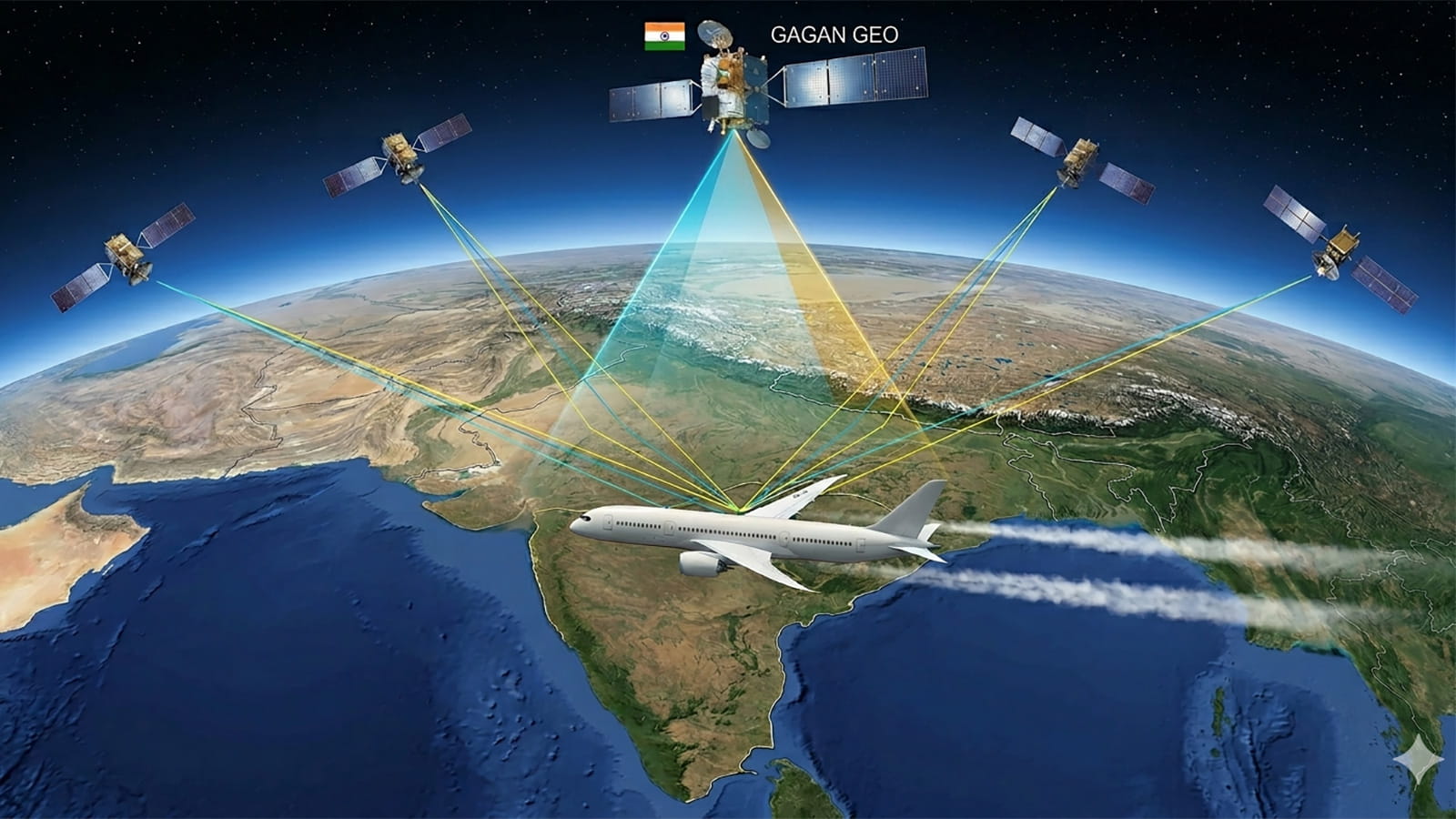
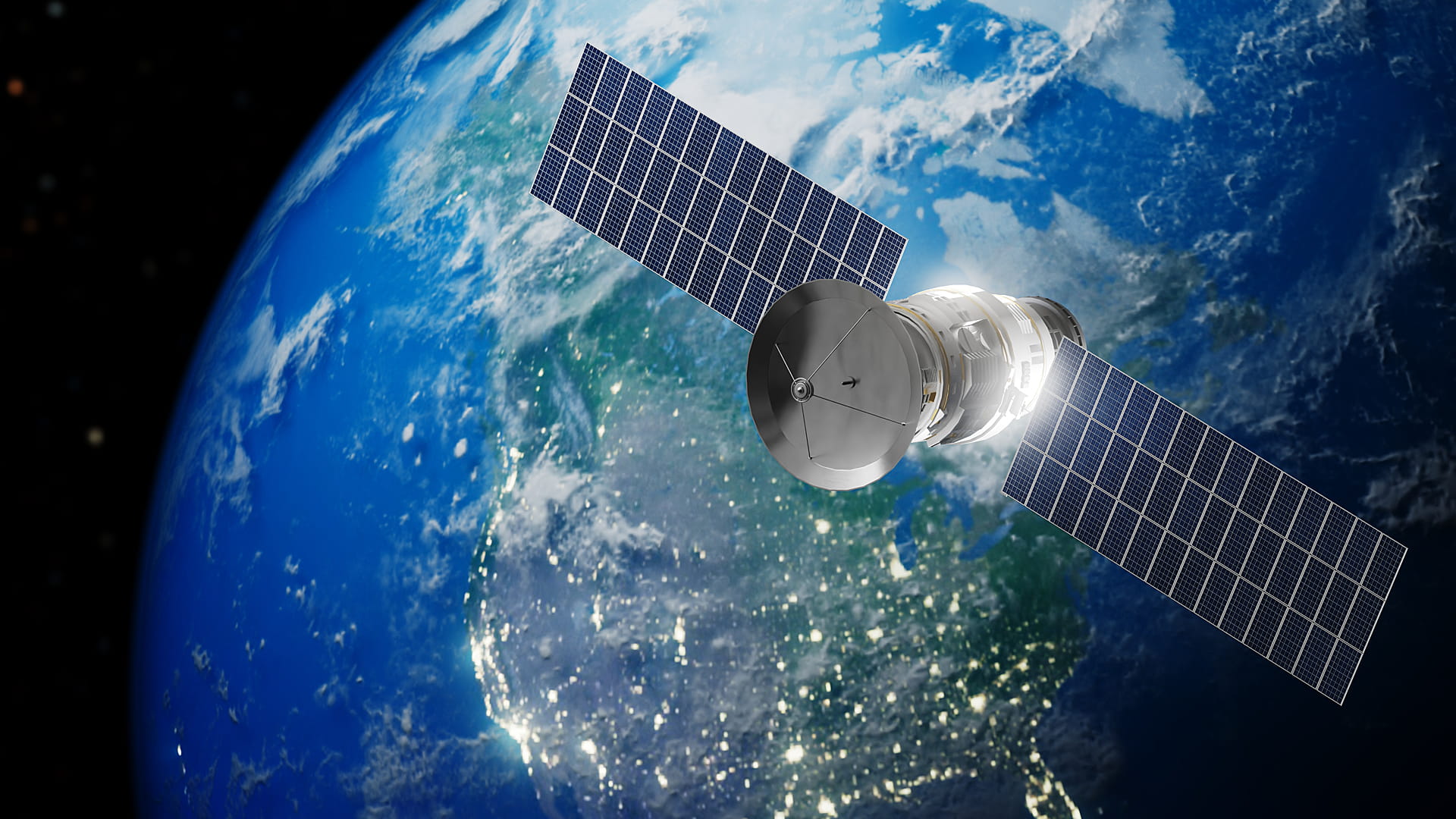
The WAAS is a satellite-based augmentation system that monitors and evaluates GPS signals across North America, enabling pilots to perform precision landing and en-route navigation with improved accuracy.
The system facilitates landing at airports previously inaccessible due to challenging terrain, limited infrastructure or adverse weather conditions. It also expands access to airports without traditional ground-based navigation systems, increasing operability and scalability for pilots.
How WAAS improves pilot performance
WAAS reduces pilot workload while improving situational awareness and decision-making. By delivering accurate positioning data, the system enhances efficiency during all phases of flight.
Hear Dan Brophy, a general aviation pilot, discuss how the WAAS reduces pilot workload to simplify operations.
The Evolution of WAAS Technology
- Development of the WAAS started in the mid-1990s with the system commissioning in 2003. Since then, Collins Aerospace has worked with U.S. aviation authorities to:
- Implement ongoing system enhancements
- Train U.S. aviation authority engineers on WAAS maintenance activities
- Perform several WAAS program modifications and technology upgrades
- Add Localizer Performance with Vertical guidance (LPV) and LPV-200 approach procedures catalogue to open up most airports in the U.S. for a WAAS-based landing
These advancements have enabled WAAS to support precision approaches at many of the airports across the U.S.
WAAS future capabilities
WAAS continues to evolve to meet the demands of modern aviation. With the next planned WAAS upgrade (also known as WAAS Phase 4B), U.S. aviation authorities are adopting a modern and more efficient system architecture while also adding dual frequency service for those users who are equipped with this capability. Single frequency service will remain available.
With dual-frequency service expected by 2028, WAAS dual frequency-equipped users will benefit from enhanced positioning accuracy and reliability—even during solar storm conditions.
Other key benefits
Versatility
WAAS is also used in a variety of other areas such as agriculture, automotive, construction, first responders, marine, and many more.
Accuracy
WAAS GPS signal corrections allow the receiver to correct disturbances that happen naturally with GPS signals. Natural disturbances include impacts of Earth's gravity, atmosphere and the sun's emissions.
Continuity
WAAS operates 24/7 to provide a safety capability for pilots with levels of assurance that it will simply work.
Request information
I would like more information about this capability.
Contacts
Air Traffic Solutions