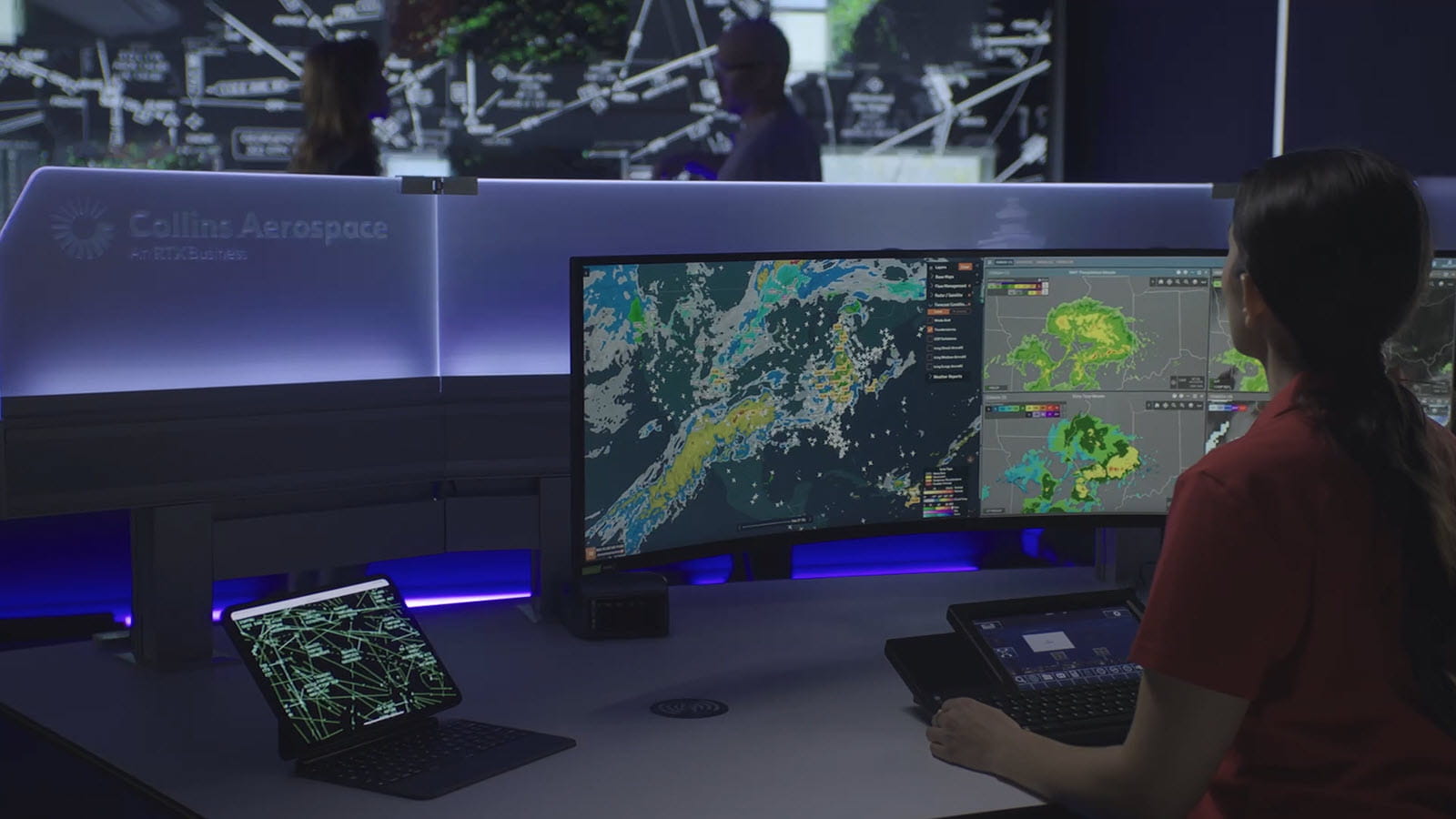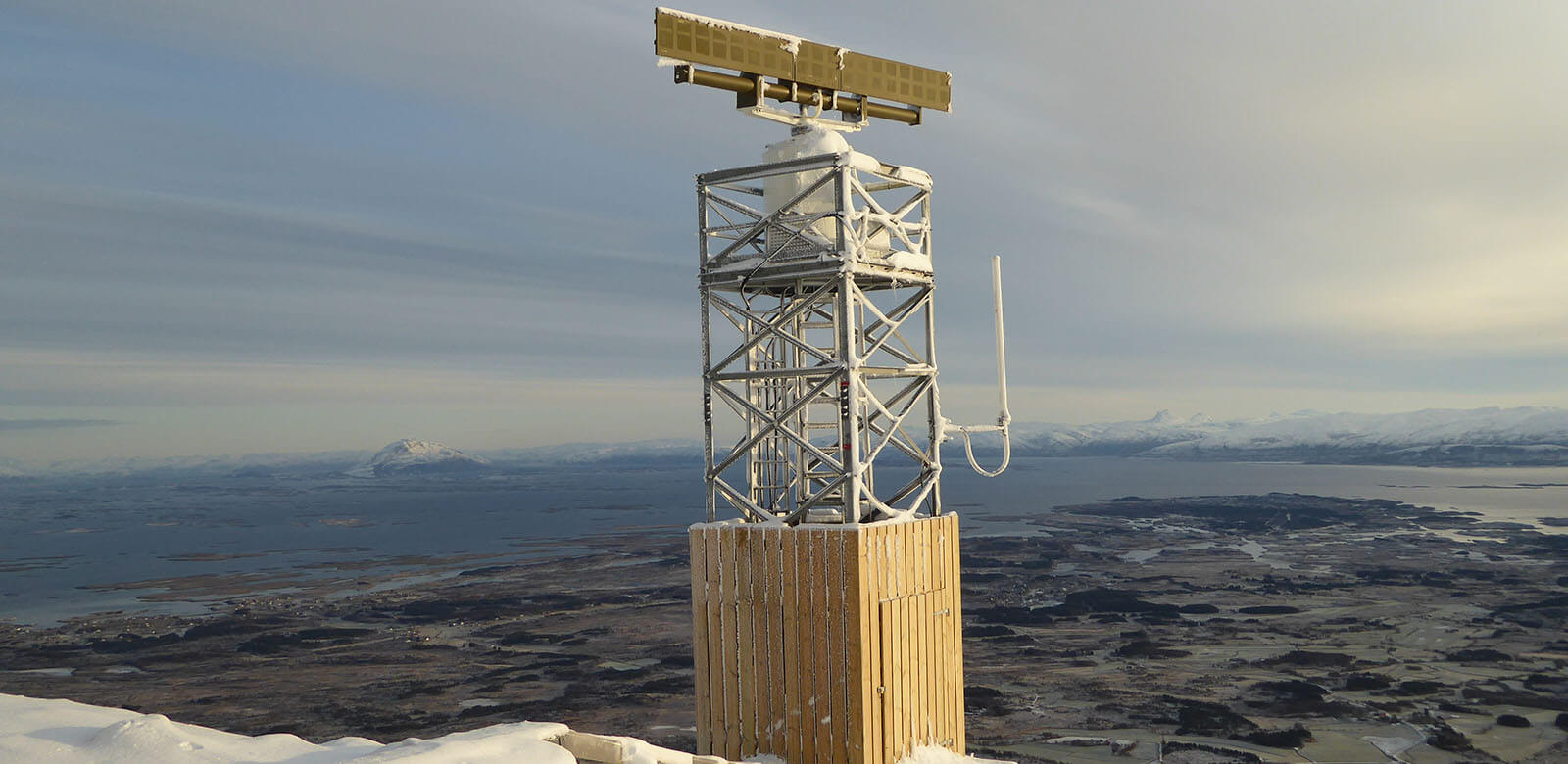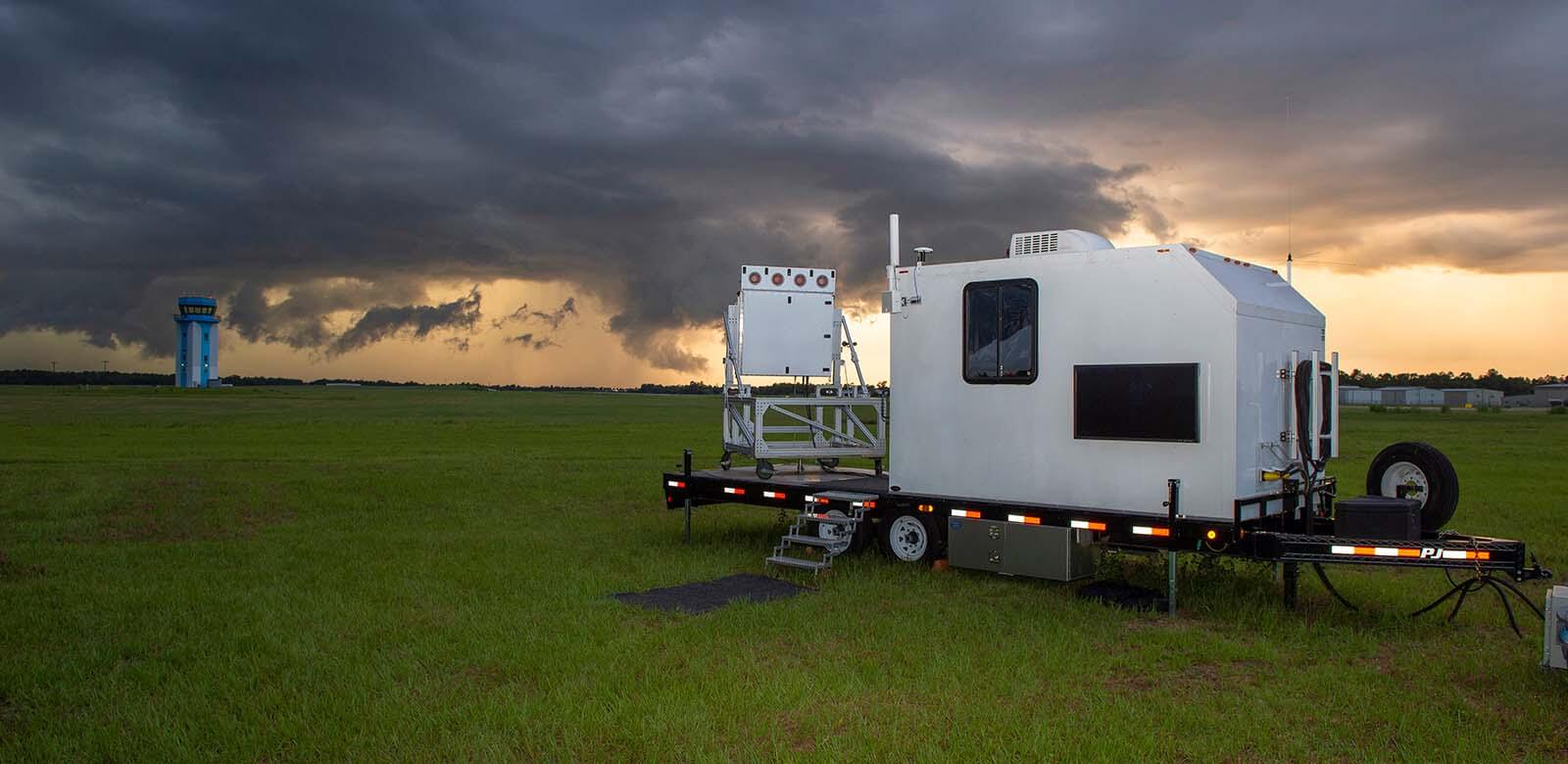

Since 1956, our primary radar technologies have delivered trusted, proven capabilities to the U.S. NAS.
Our non-cooperative surveillance radars, the ASR-XM (S-band) and Skyler®, are more than primary radar solutions; they reflect our commitment to airspace modernization and deliver advanced technology designed to identify and track an aircraft position independently – enabling the next big step for air traffic control.
Request information
I would like more information about this capability.
Addressing new airspace challenges
Airspace around the world has changed significantly over the last decade, driving the need for NCSRs capable of managing increased air traffic volume (such as Unmanned Aerial Vehicles [UAVs]), non-static clutter (wind farms), radio frequency spectrum congestion (4/5G telecom interference), increased impact of small radar cross-section (RCS) targets (such as birds) and increased severe weather events.
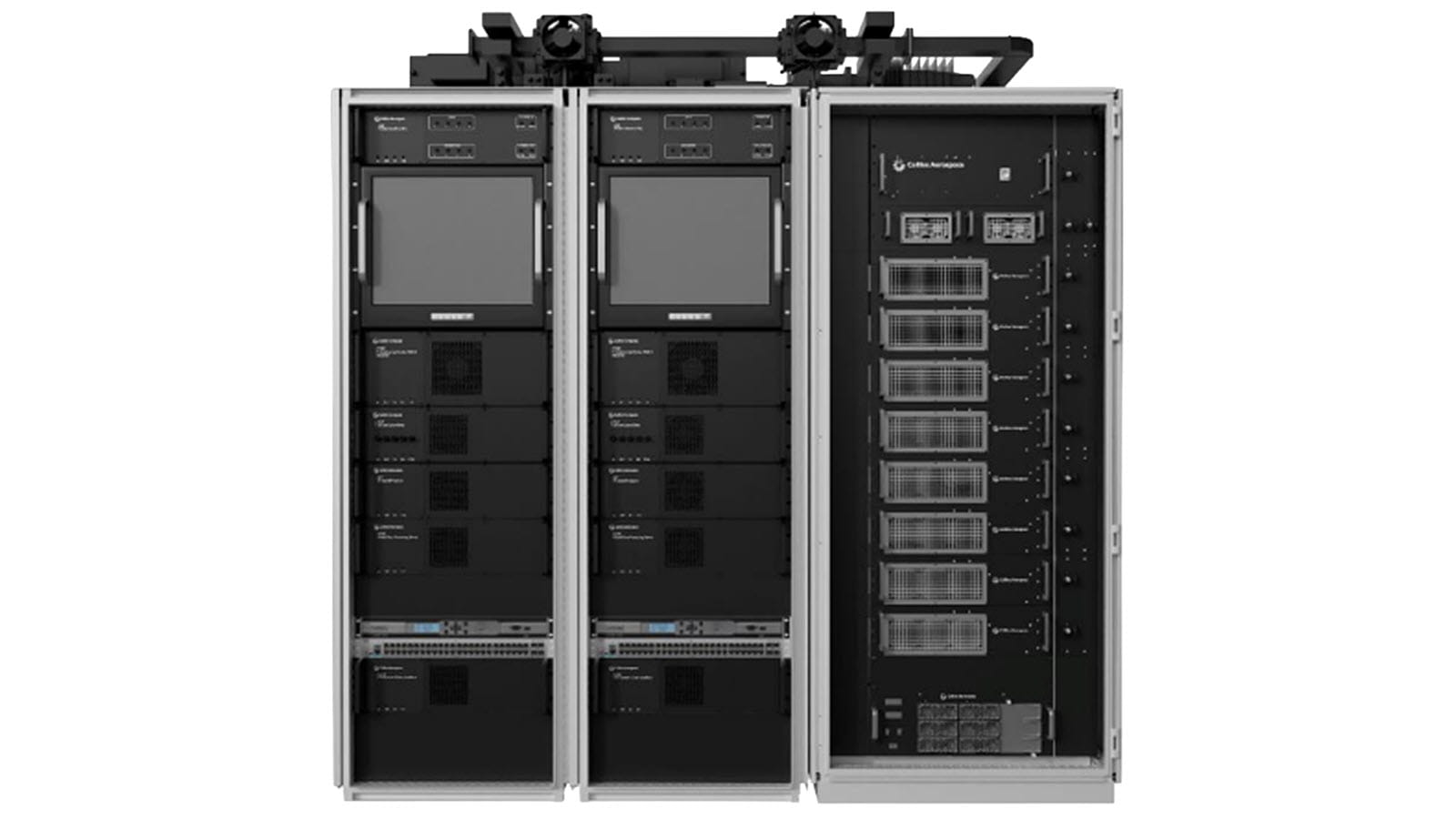
Addressing these needs, the ASR-XM is a smaller and more efficient terminal approach primary surveillance radar solution that improves life-cycle costs and power consumption while serving as a modular, foundational platform that addresses current and future challenges head-on.
Built on proven signal-processing architecture and adaptive clutter suppression, Skyler provides crisp target resolution, reliable track continuity, and low-latency updates so controllers and systems can act with certainty. Engineered for scalability and 24/7 availability, Skyler integrates seamlessly into existing surveillance networks to strengthen safety, capacity, and situational awareness.
What value does the ASR-XM Non-cooperative Surveillance Radar deliver?
The ASR-XM Non-Cooperative Primary Surveillance Radar is an S-band terminal approach radar designed for modern airspace challenges. Tested at the FAA’s Mike Monroney Aeronautical Center, ASR-XM delivers exceptional aircraft detection with low false target rates – even in severe weather, high clutter, wind farms, and congested RF environments.
Built on a proven, signal-processing architecture, ASR-XM improves situational awareness and operational efficiency while reducing life-cycle costs and power consumption. Its modular, cyber-resilient design provides a foundation for future air traffic control and airspace modernization.

The ASR-XM primary surveillance radar has undergone extensive testing at the Federal Aviation Administration’s Mike Monroney Aeronautical Center in Oklahoma City, consistently showing unsurpassed detection capabilities with low false target rates, even under strong clutter environments.
- Advanced target and weather detection capabilities
- Cyber resilience
- Reduced life cycle costs
- Up to 35 percent more efficient
- Foundation for future tech integration
Additional features
Next-generation receiver/exciter/processor
- Modular architecture utilizing 19” rack mount equipment
- Intelligent software (high resolution Moving Target Detection, multi-beam processing, 3D and RCS target estimation, wind farm mitigation, anomalous propagation mitigation, anti-jamming mitigation)
Next-generation transmitter
- Gallium nitride (GaN) semi-conductor technology
- Hot swappable modules
- Narrow spectrum emissions
- Increased reliability and efficiency
How does the Skyler Non-cooperative Surveillance Radar differ?
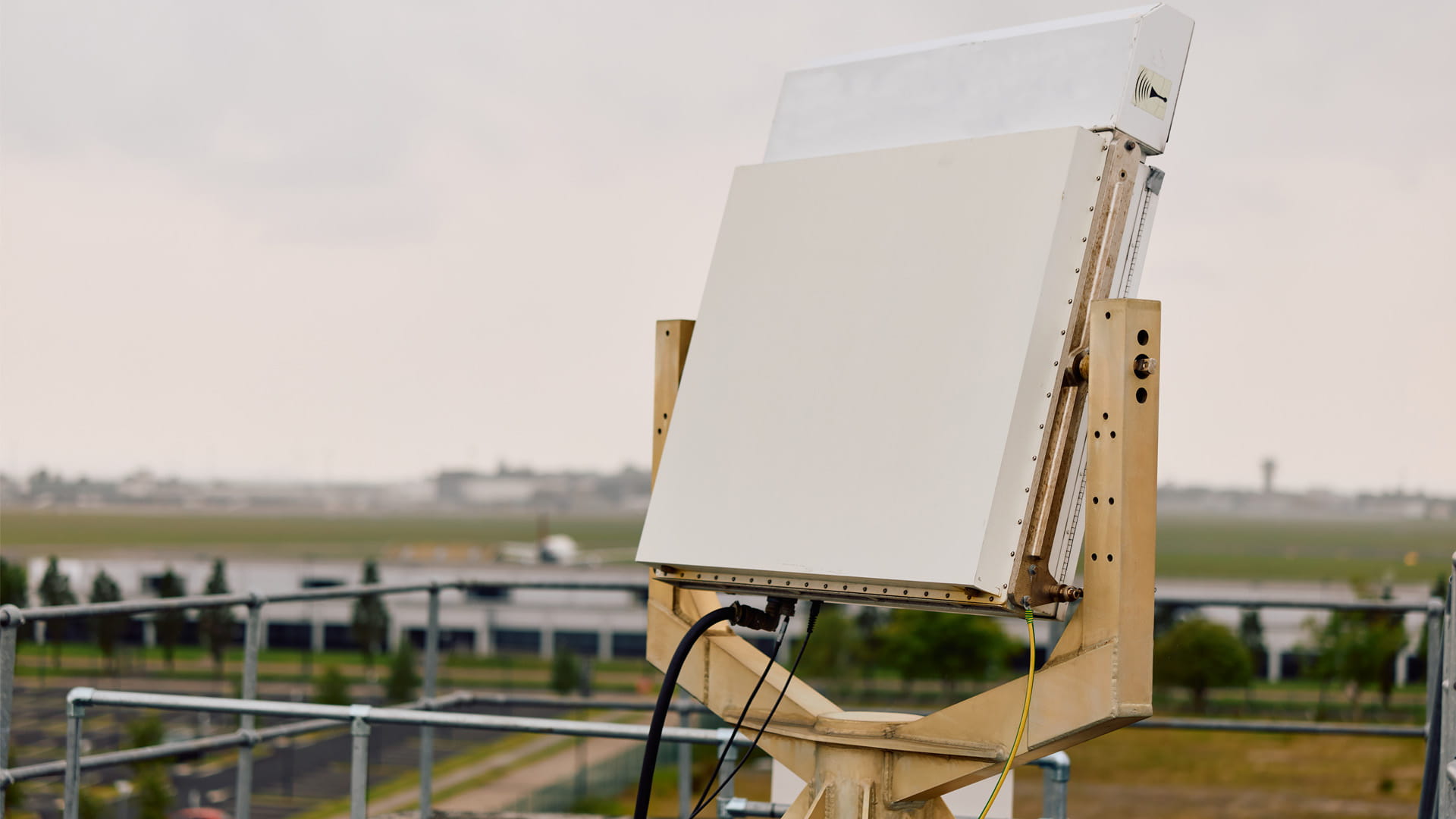
Skyler delivers high-performance, wide-area surveillance with precise detection, rapid updates, and resilient operation in complex airspace. Its digital beamforming architecture and advanced processing enable precise target tracking, reduced clutter and enhanced situational awareness for civil and mixed-use environments.
Key capabilities
- High-fidelity detection in dense or cluttered airspace
- Digital beamforming for fast, accurate situational awareness
- Adaptive clutter suppression and strong low-altitude performance
- Seamless integration with multi-sensor surveillance networks
- Scalable, upgradeable architecture
Core features
- AESA digital antenna with multi-beam, rapid-update coverage
- Advanced processing for clutter/ interference mitigation and high-resolution tracking
- Solid-state transmitter for improved uptime, efficiency, and signal stability
- Integrated health monitoring and predictive maintenance
- Open architecture for flexible deployment and low lifecycle cost
Request information
I would like more information about this capability.
Contacts
Air Traffic Solutions