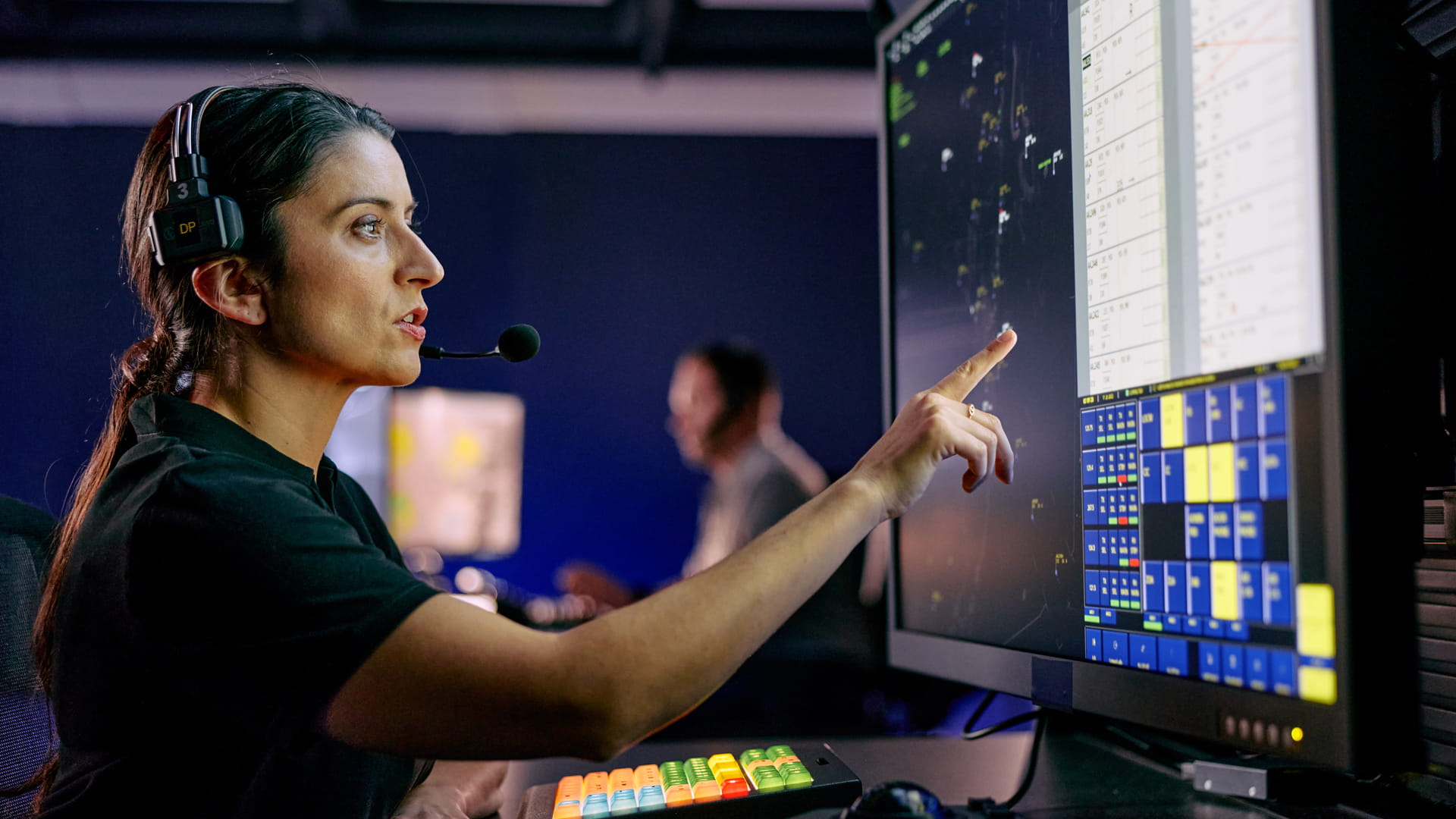
At Collins Aerospace, we know that air traffic controllers and the air traffic control (ATC) systems they use are the central nervous system of aviation safety and efficiency. Every day, this combination of essential workers and technology work in harmony to coordinate the passage of more than 100k flights and 20-30 million passengers per day, worldwide.
Standing tall at busier airports are ATC towers, providing controllers a bird’s eye view of the airfield to help provide enhanced situational awareness and expeditious departure and arrival services for every flight.
Further supporting the vantage point of an ATC tower is a suite of specialized tools used by ATC to support everything from safety critical air-to-ground communications to increasing airborne situational awareness.
Each tool helps controllers reliably manage orderly and efficient flow of aircraft, which is why Collins is committed to delivering best-in-class, ATC solutions for terminal controllers and the airport operations they support.
The struggles ATC towers face
Our expertise in ATC spans over 85 years, from the early days of air-to-ground communications to today’s cutting-edge common automation platforms that connect and orchestrate entire airspace system ecosystems.
However, while these technologies exist, many ATC towers are limited to line-of-sight visual observations and outdated technologies to manage airport arrivals and departures.
For this reason, Collins has partnered with industry to help Air Navigation Service Providers (ANSPs) and airports around the world transform their flight operations to help meet today’s most demanding terminal airspace challenges.
The need for innovative control tower services
While many of the world’s busiest airports are equipped with ATC towers, the vast majority of airports worldwide operate without one.
It may surprise travelers to know that airports they’ve traveled to or from on a major airline may not have had an ATC tower at all.
This is called an “uncontrolled” airport, whereas airports that do have ATC towers are referred to as “controlled.”
But even today’s controlled airports have challenges, such as airspace or airport surfaces that have become visually obstructed from the tower because of changes like terminal expansions.
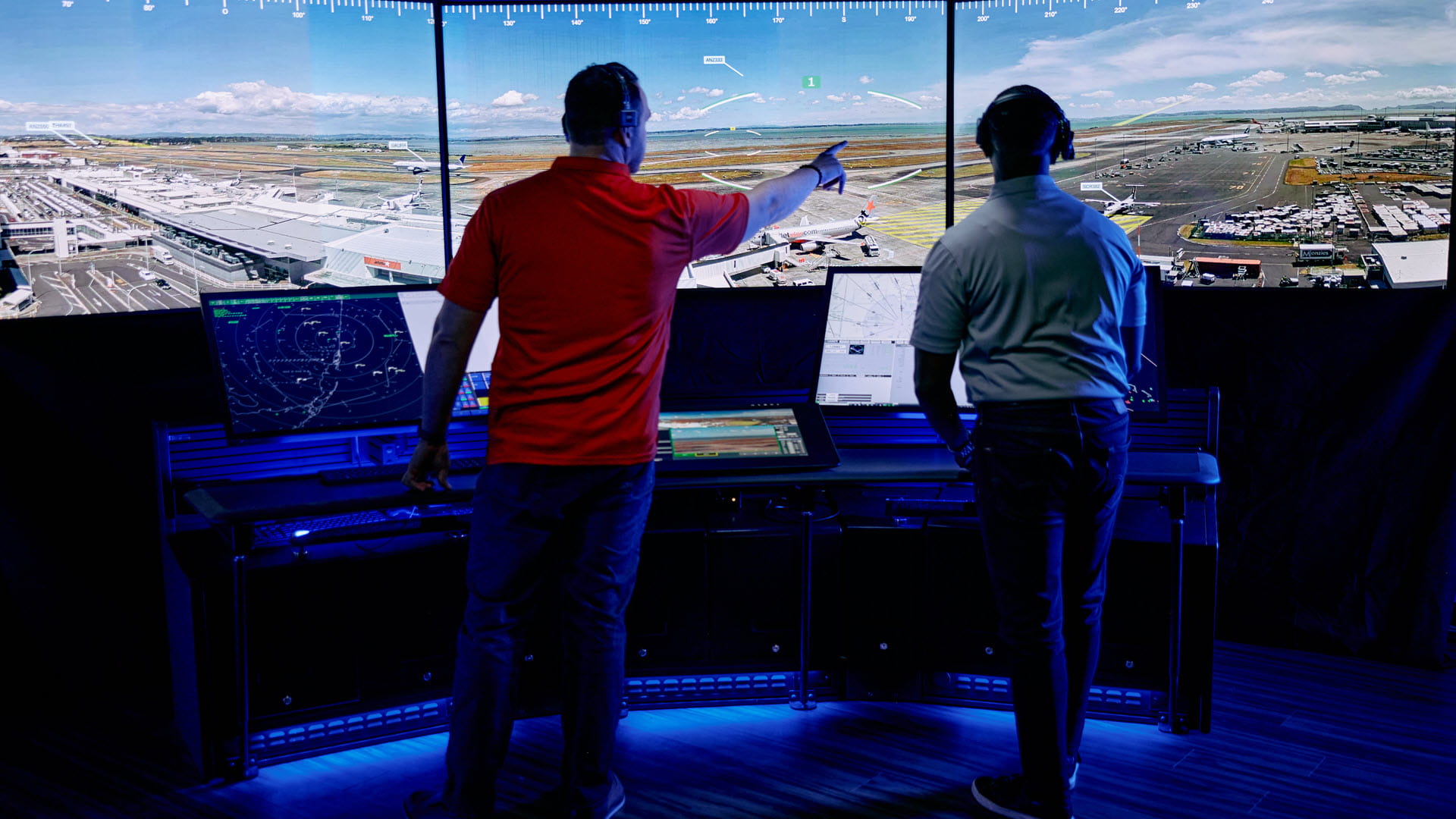
Collins and its industry partners help to address these factors through groundbreaking, innovative technologies for control tower services, which offer ATC professionals a suite of digital tools to complement traditional line-of-sight observations.
In addition to solutions that significantly improve controllers’ awareness of their operational environment, Collins is helping to usher in a new era of digital tower solutions that are more flexible to deploy and less expensive to build than traditional brick-and-mortar ATC towers.
Digital tower features and capabilities:
- High fidelity 360-degree camera array
- Powerful Pan-Tilt-Zoom (PTZ) cameras with integrated light gun
- High-resolution displays with seamless image stitching
- Real-time graphical overlays of integrated flight data and weather
- System scalability and automation compatibility
- Enables remote staffing and consolidated airport operations facilities
Whereas many traditional ATC towers offer little more than a set of binoculars to observe airfield operations, digital towers are changing the landscape of airport operations through improved situational awareness and comparable cost reductions.
Where our solutions prove successful
The flexibility and scalability of our control tower services offering has already proven successful worldwide, including implementations with the US Air Force, Navy, and European airports. It has completed European Union Aviation Safety Agency (EASA) certification and is currently under Federal Aviation Administration (FAA) evaluation with System Design Approval (SDA) expected in 2026. The towers support remote staffing, reduce operational costs, and address safety concerns like runway incursions and collision risks.
What benefits do our solutions offer?
Ultimately, our goal is to increase situational awareness, improve redundancy, and enhance decision-making through data-driven insights. Whether serving major hubs or remote fields, a cloud-based microservices architecture ensures reliability and efficiency across all environments. Other solutions for today’s modern ATC tower suite include:
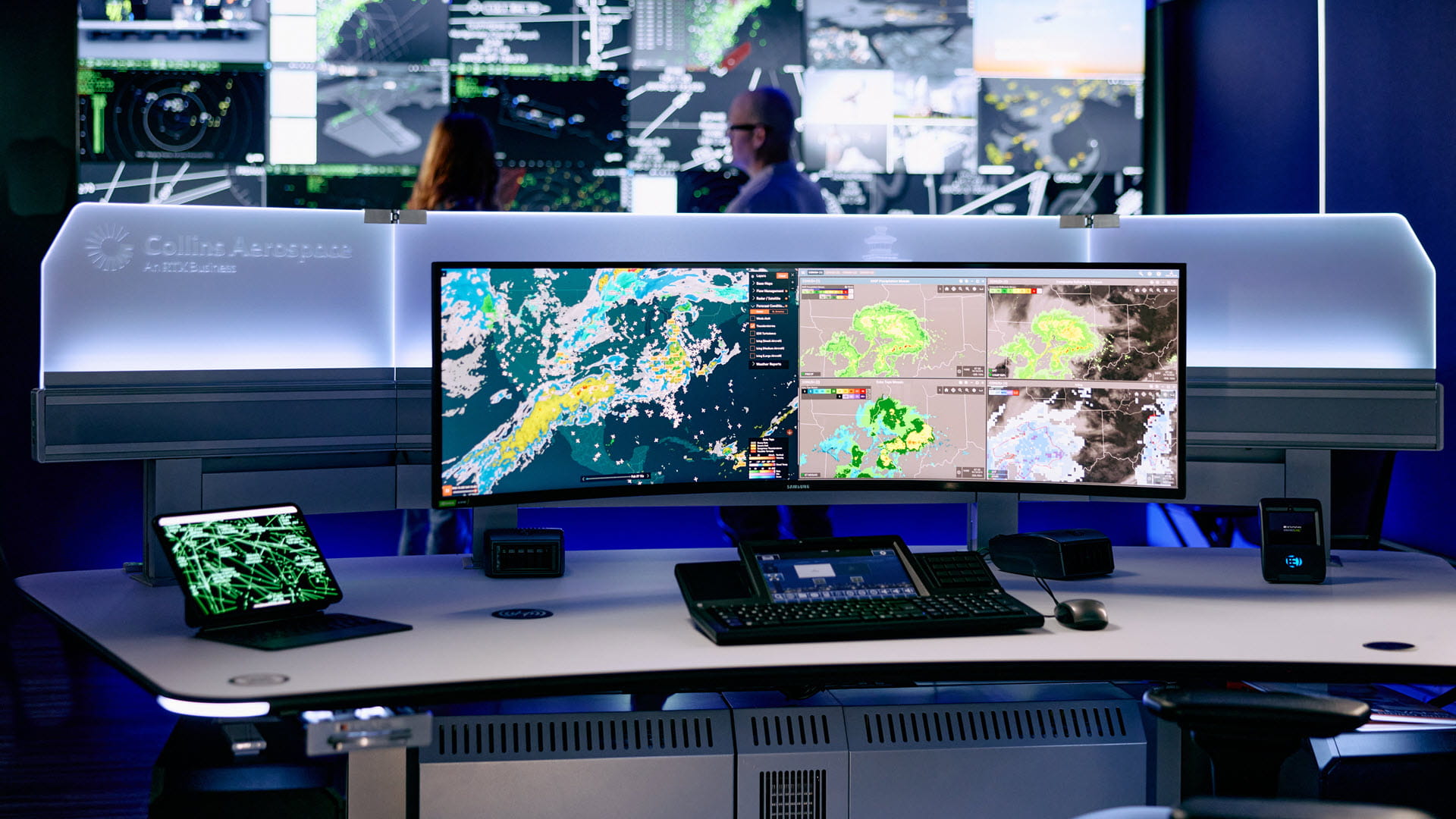
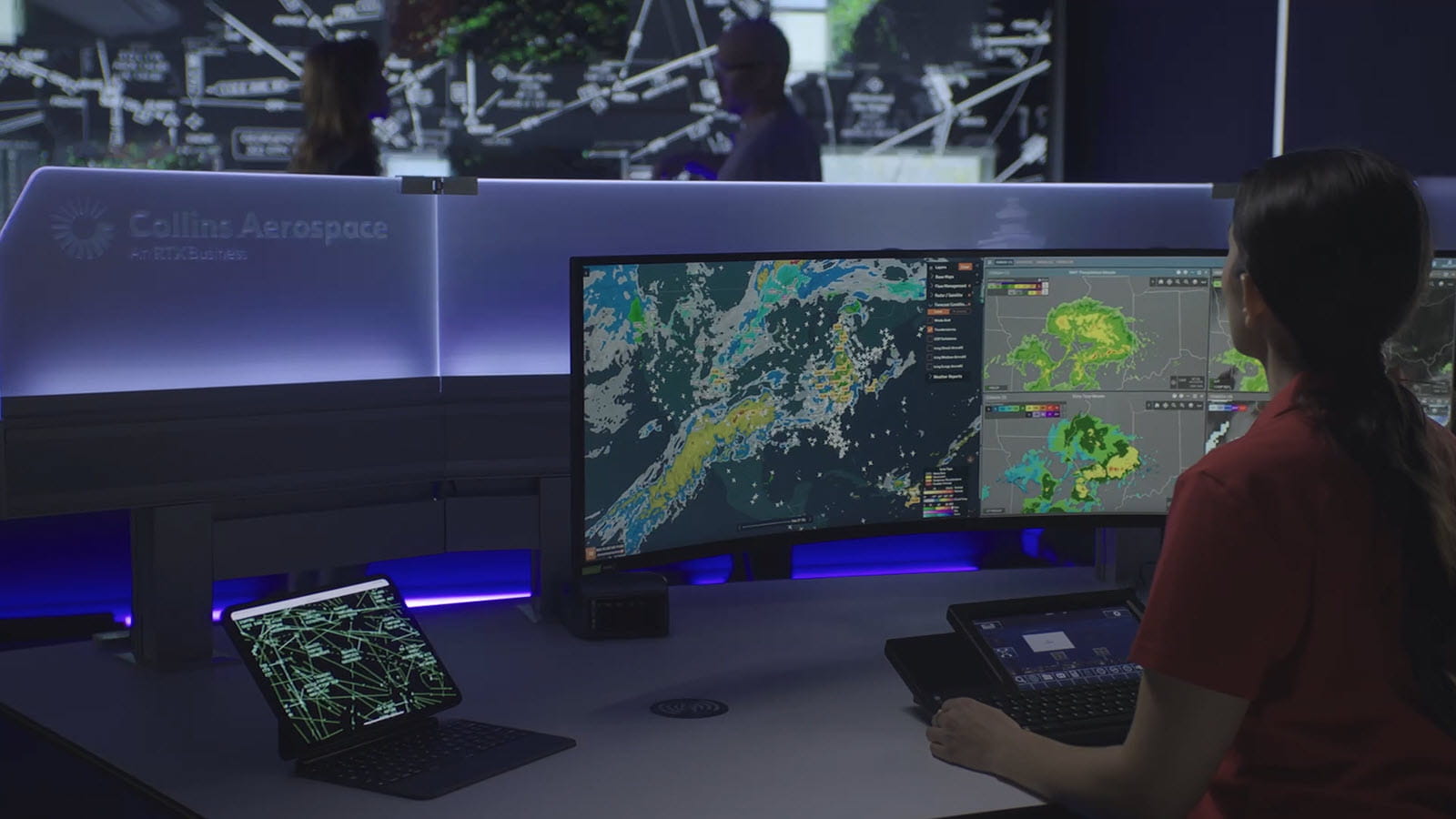
An all-in-one common automation platform that facilitates strategic air traffic flow management and enhances tactical, safety-critical ATC services. By utilizing shared data, timelines and intent, the AutoTrac common automation platform enables all aviation stakeholders to effectively plan, execute and adapt together.
Learn more: AutoTrac
An integrated, adaptable hardware solution that seamlessly connects applications across various systems and makes them available to air traffic controllers and operations staff as a single, unified common automation workstation.
Learn more: MARS
Request information
I would like more information about this capability.
Contacts
Air Traffic Solutions
Explore solutions
Air Traffic Management (ATM) Solutions for Global Aviation
Common Automation Platform Solutions for Global Air Traffic Management
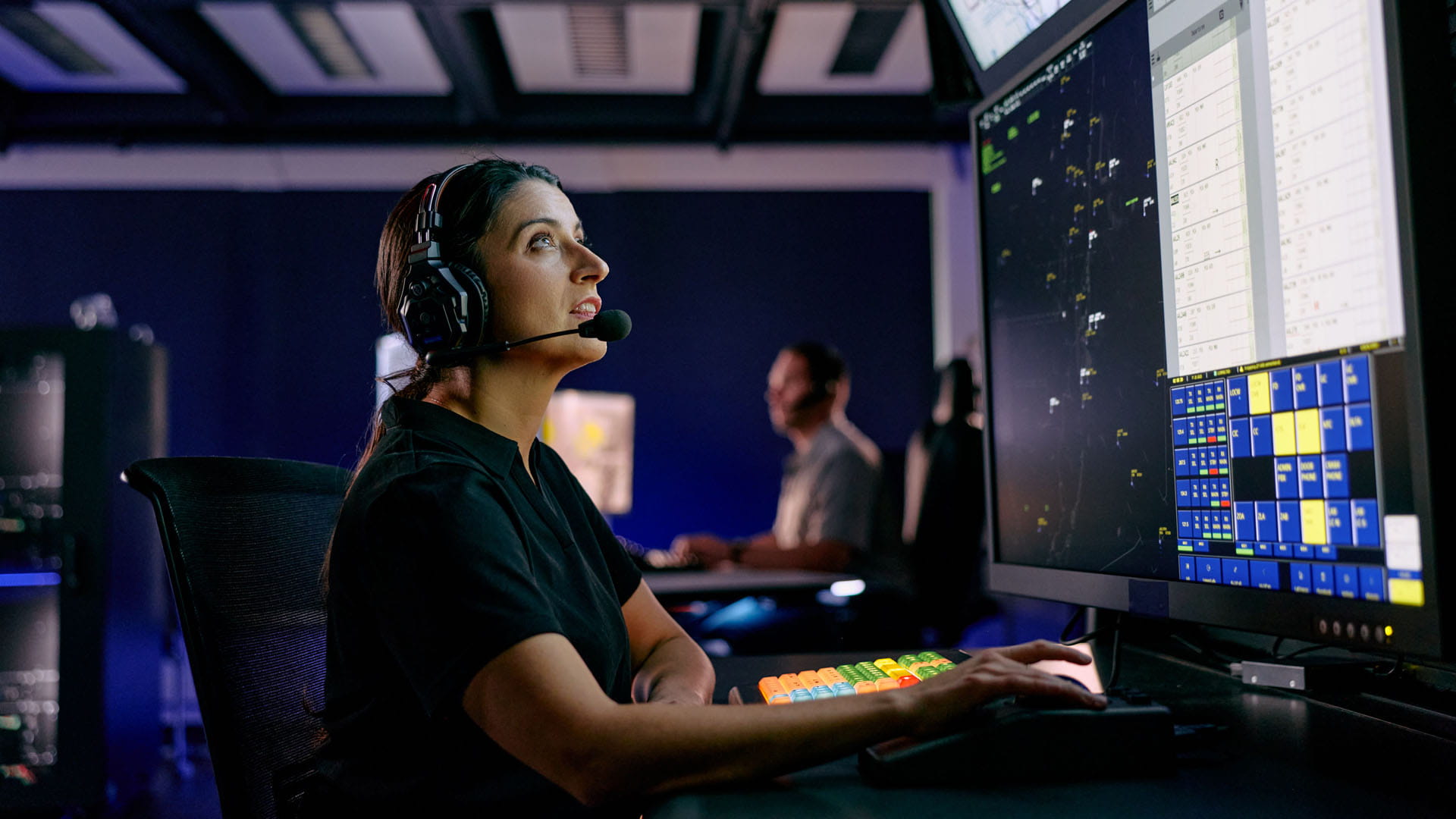
AutoTrac® Air Traffic Management Common Automation Platform
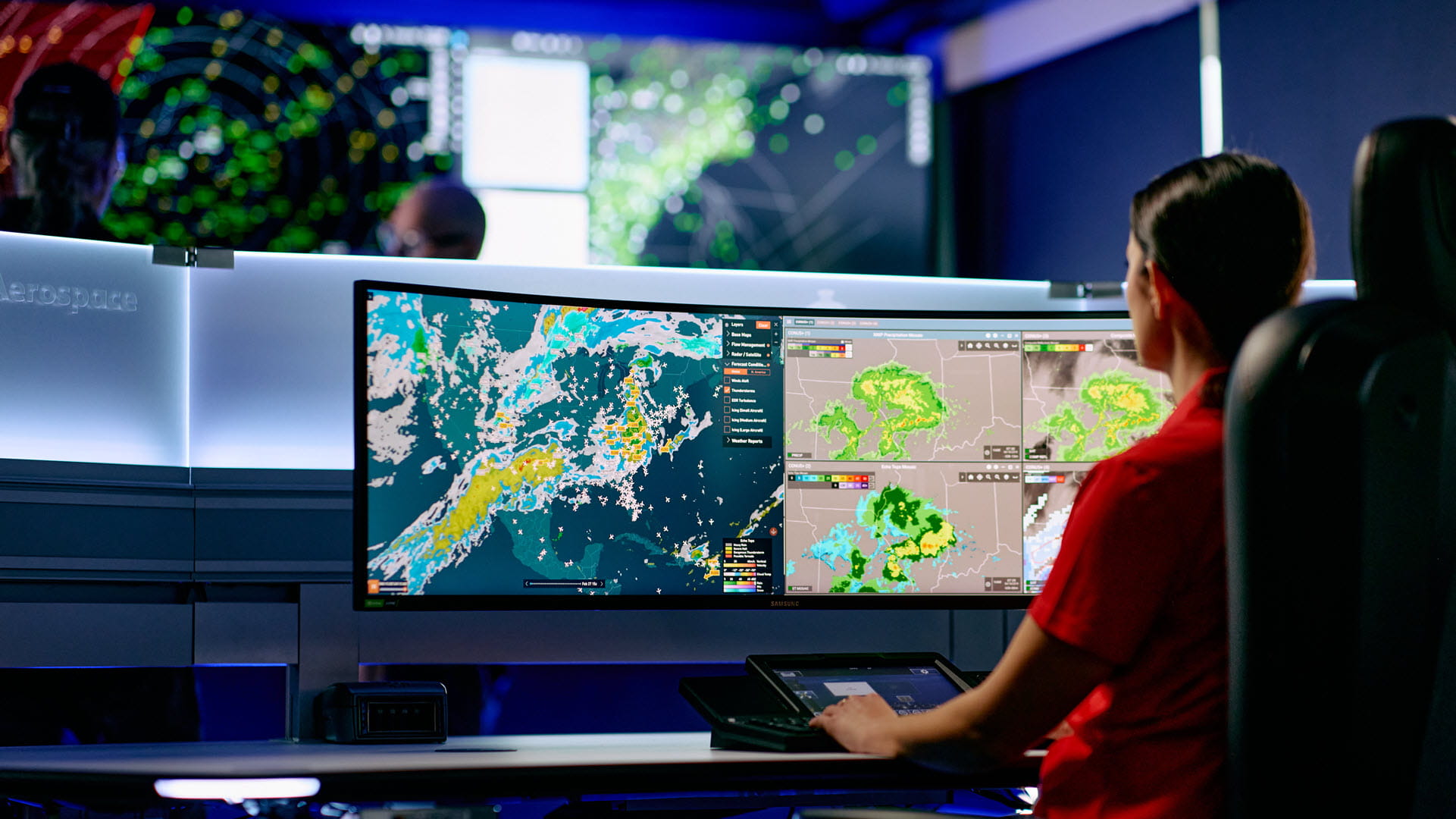
MARS Common Automation Workstation for Aviation