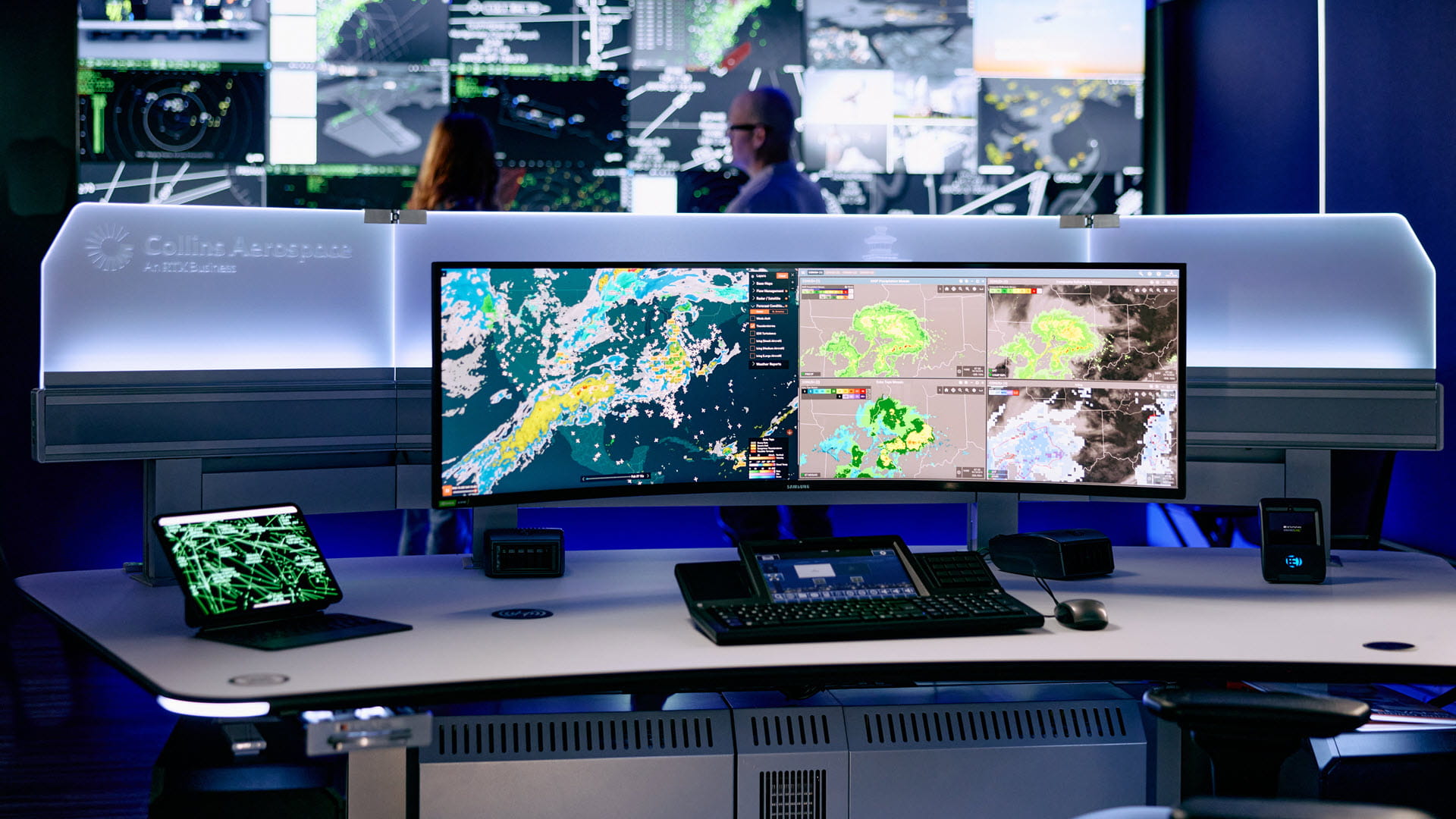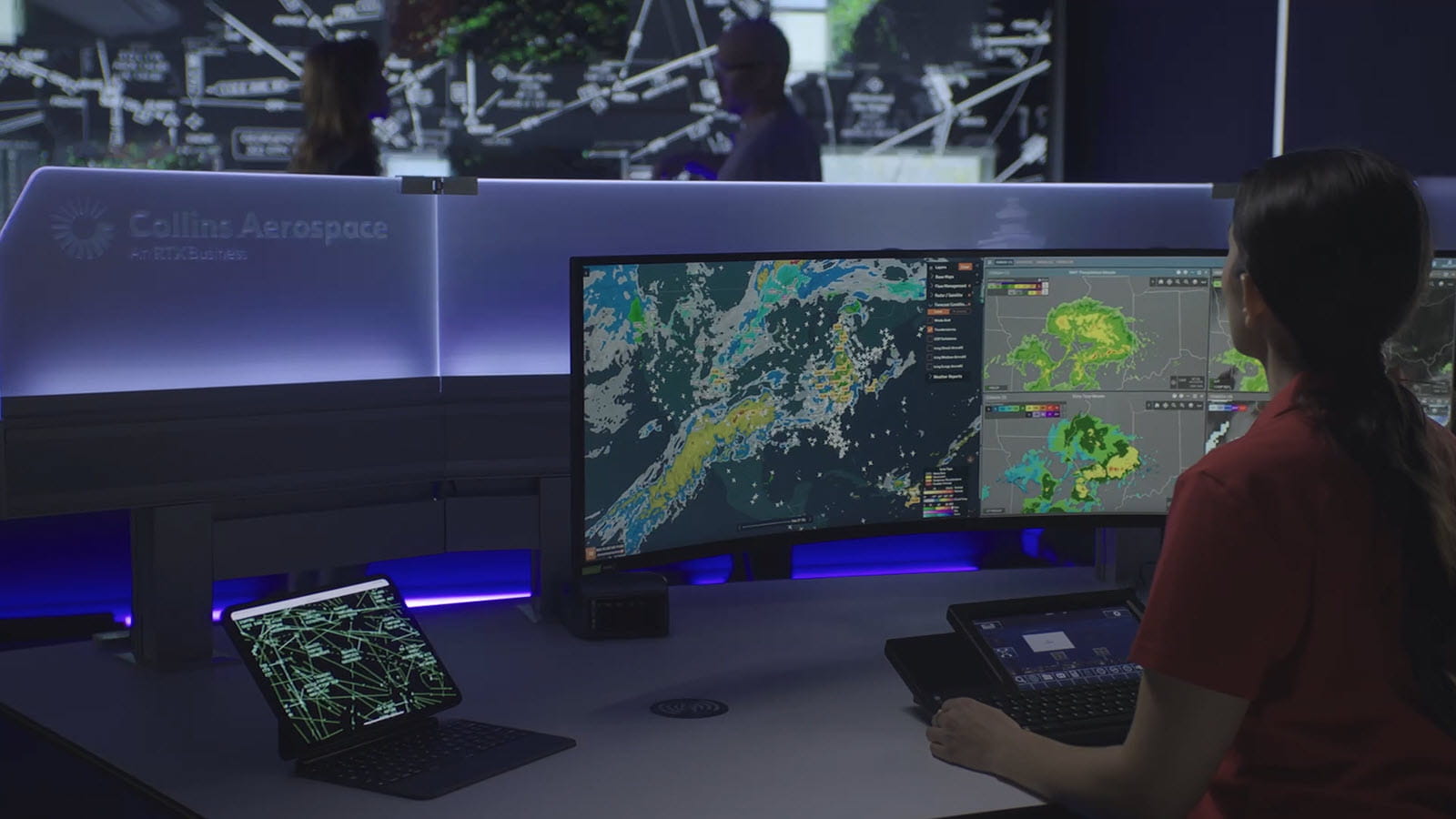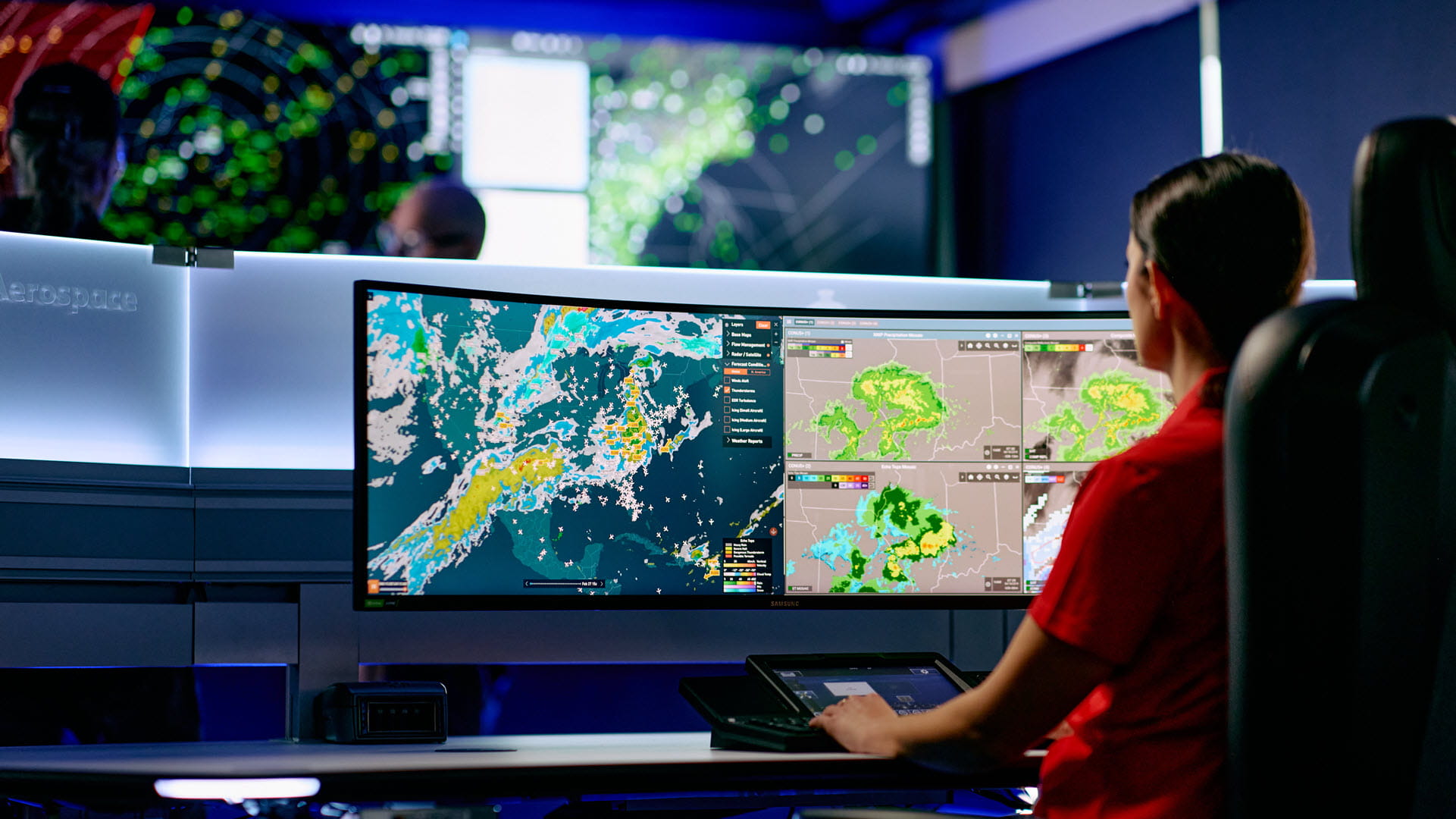
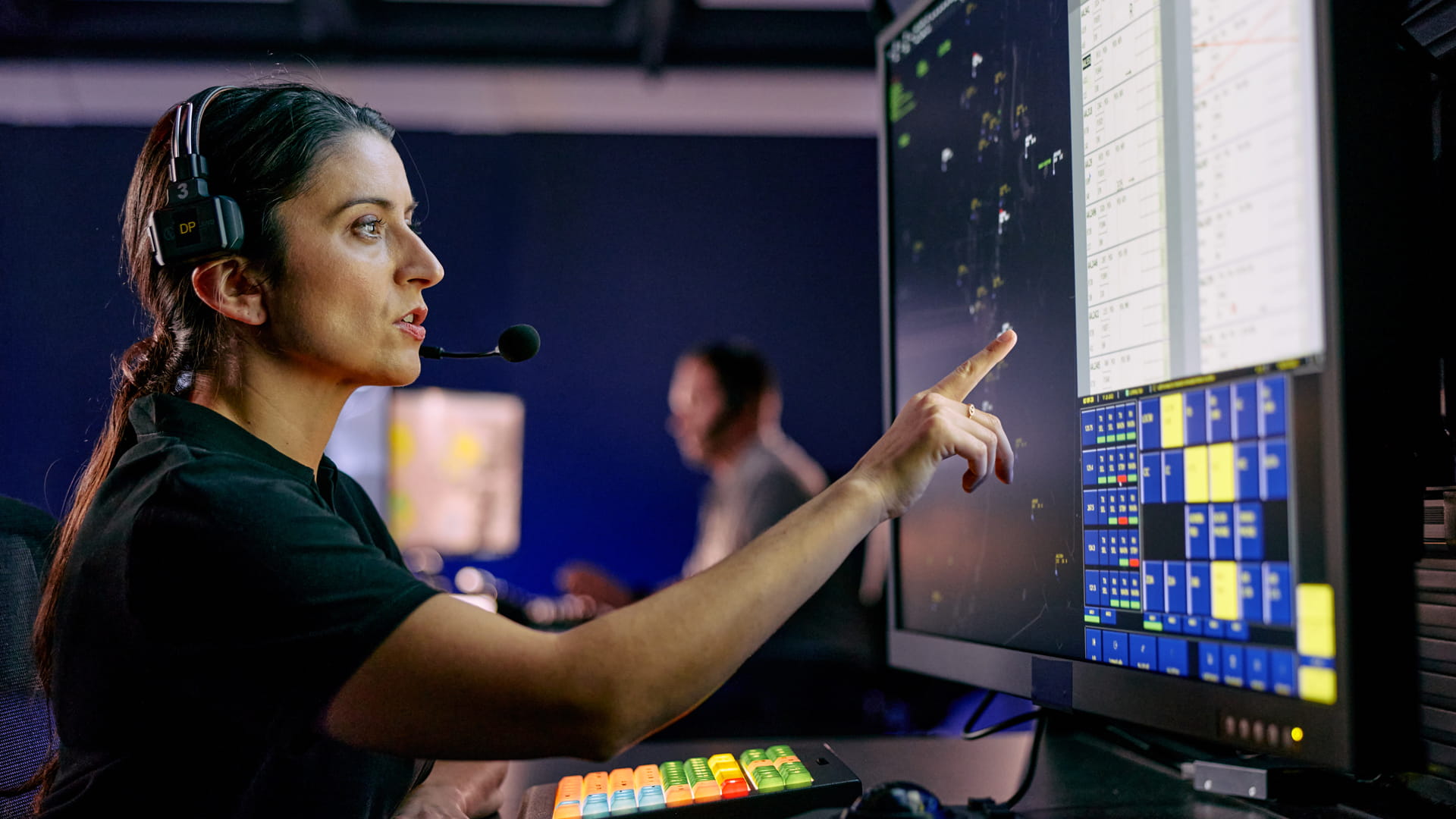
Air Traffic Controllers (ATC) in Terminal Control Facilities and Air Traffic Control Towers (ATCTs) use STARS to provide more efficient aircraft spacing and sequencing guidance for departing and arriving aircraft at all major airports in the U.S. as well as many Department of War (DoW) locations worldwide. STARS receives radar data and flight plan information and presents the information to air traffic controllers on high resolution, color displays, which allows controllers to monitor, control and accept hand-off of air traffic.
Upgrading legacy systems
STARS development began in 1996 with the goal of replacing multiple legacy, capacity-restrictive systems with a single flexible system. We partnered with both the Federal Aviation Administration (FAA) and the Department of War (DoW) to modernize the legacy terminal automation systems.
With 236 Terminal Control Facility and 655 Air Traffic Control Tower installations across the National Airspace System (NAS), STARS is now operational at all major airports within the U.S. as well as many DoW locations within the U.S. and around the world. In fact, STARS is deployed at 11 of the FAA's largest TRACON facilities that control 80 percent of U.S. air traffic.
The final FAA site transitioned to STARS in May of 2021, completing a historic first – a single national software and hardware baseline across America. In doing so, STARS presents aircraft position and trajectory data to controllers and provides the support tools needed to make separation and sequencing decisions to enable safer and more efficient air travel throughout the United States.
Securing the airspace
As a single, state-of-the-art platform, STARS integrates both surveillance data (Short and Long Range Radar, ADS-B, Multilateration/Wide Area Multilateration) and flight information, providing air traffic controllers a precise real-time picture of the airspace.
This includes presenting aircraft position and trajectory data, as well as six distinct levels of weather data. Each level of weather data is color-coded and overlayed onto the air traffic displays, helping controllers route aircraft around inclement weather.
STARS also provides tools to assist with managing air traffic within the Terminal Airspace. These tools include safety functions, weather advisories, and other decision support capabilities that enable controllers to maintain traffic flow, optimize airspace capacity and support more efficient operation of the NAS.
Additionally, STARS offers advanced features that allow controllers to save workstation preferences, while a streamlined infrastructure makes system maintenance easier.
Increasing airport situational awareness
At FAA ATC towers across the U.S., STARS remote positions enable controllers to manage high-density traffic flows through intuitive displays, alerting functions and decision-support tools tailored to local airspace and airport configurations.
By standardizing terminal automation nationwide, STARS improves operational consistency, enhances safety and allows the FAA to deploy common procedures, training and system enhancements across its tower network.
STARS in the future
Since the last site went operational in May of 2021, and in partnership with the FAA, Collins' STARS program has been focused on enhancing the efficiency of the NAS through the implementation and deployment of multiple new decision support tools including Approach Runway Verification (ARV), Enhanced Converging Runway Display Aid (E-CRDA), Automatic Terminal Proximity Alert (ATPA) and Interfacility Coordination Enhancements in support of the Newark Area C move from New York TRACON to Philadelphia TRACON.
Request information
I would like more information about this capability.
Contacts
Air Traffic Solutions