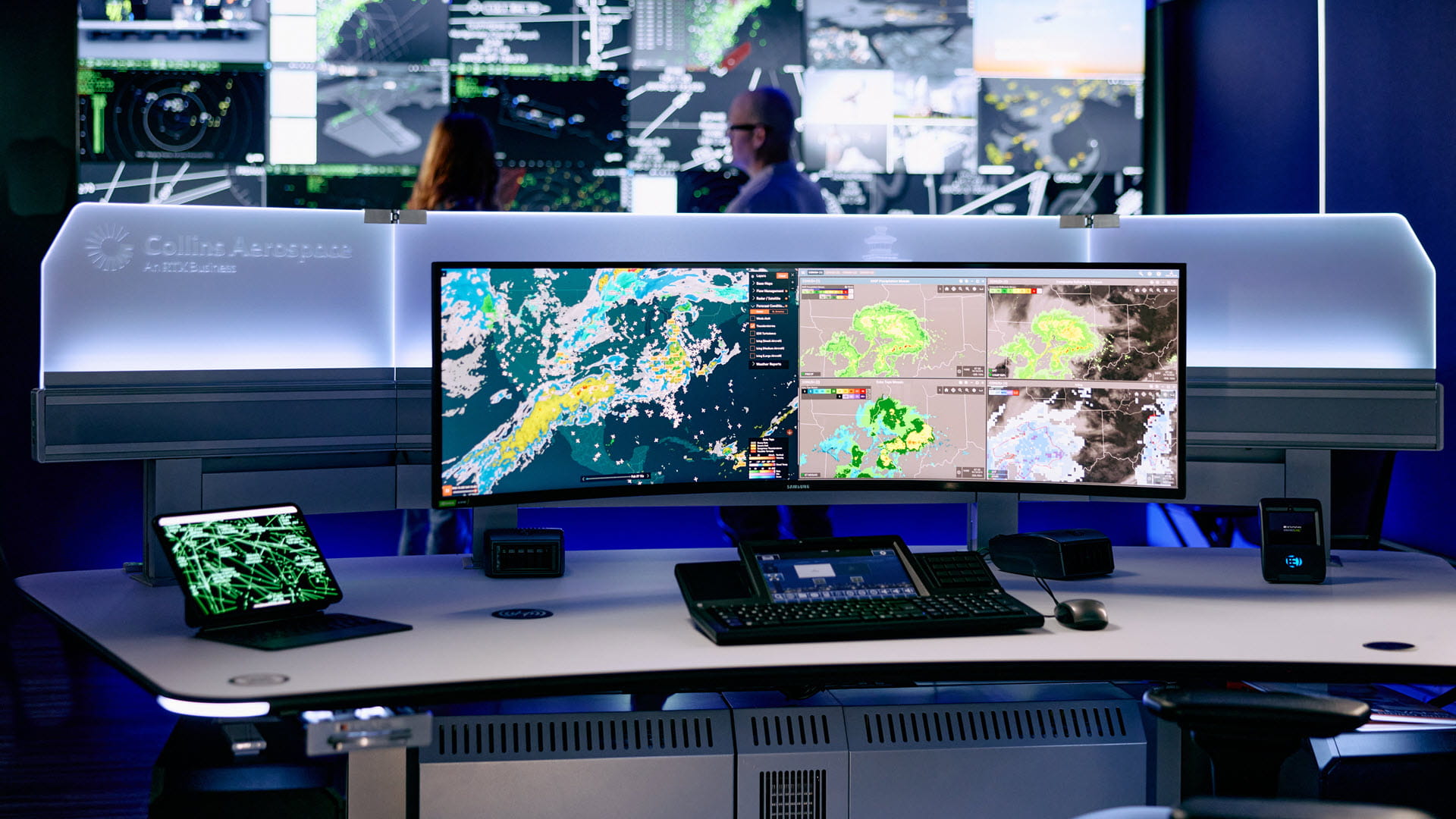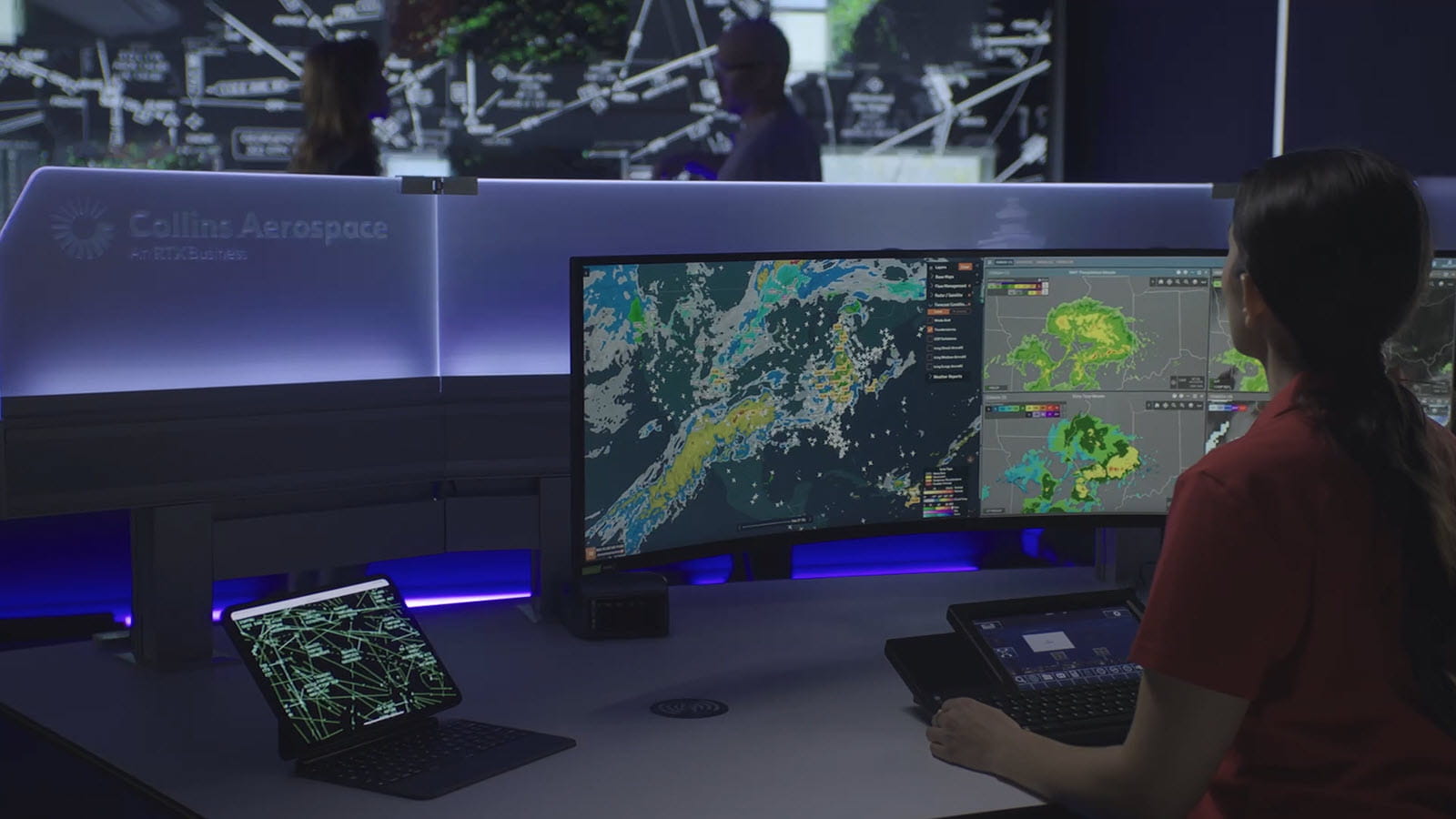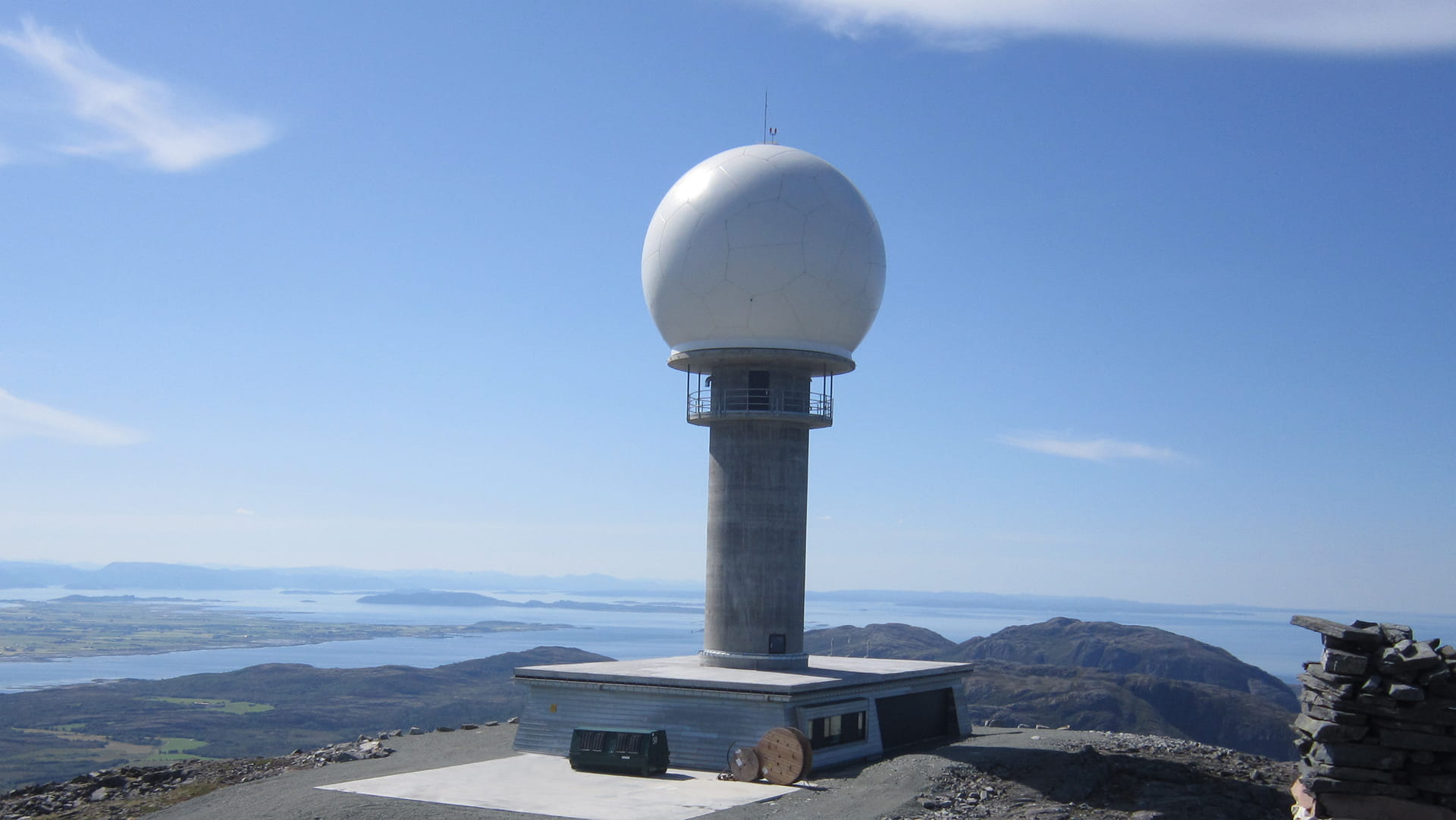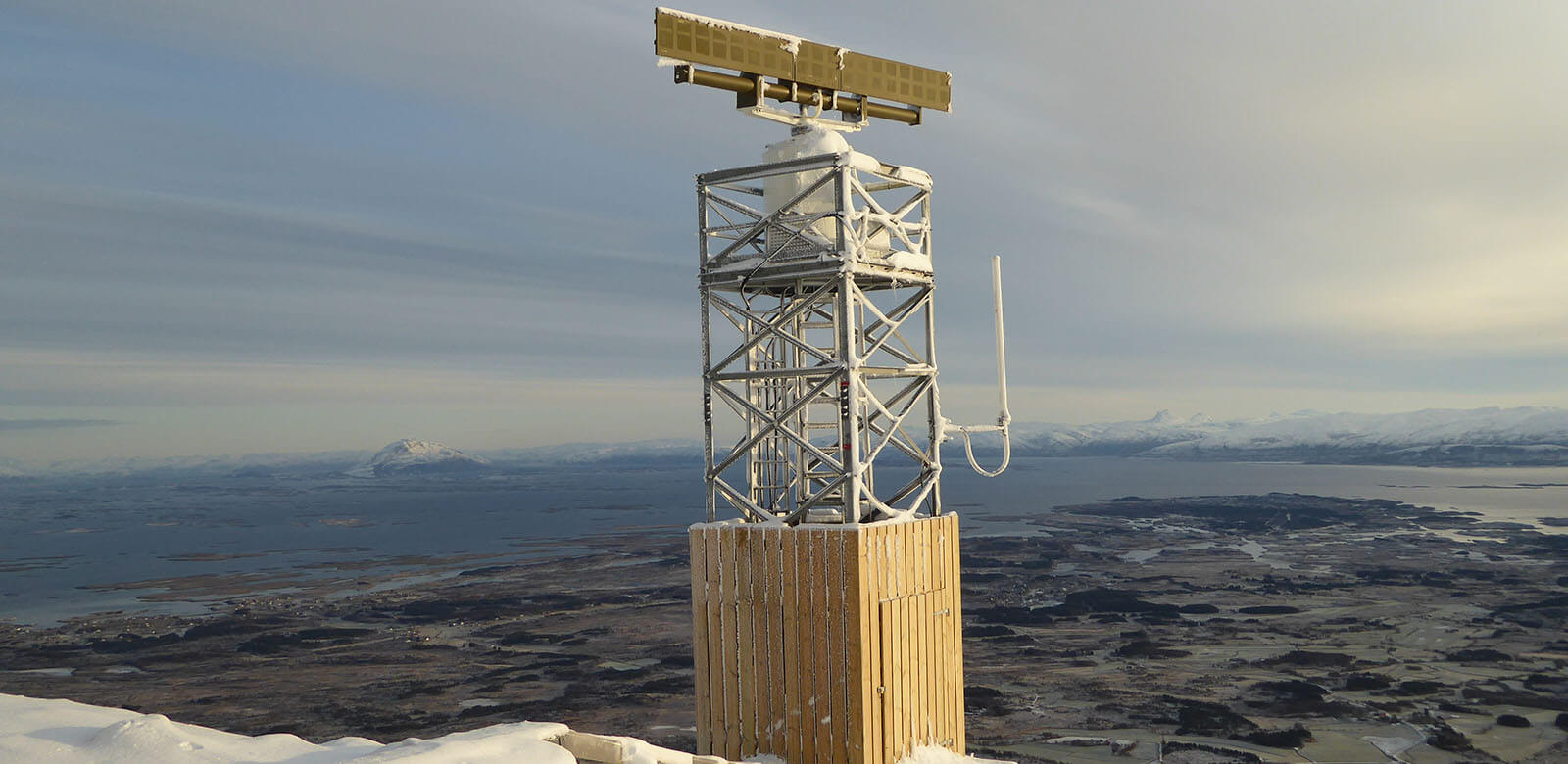
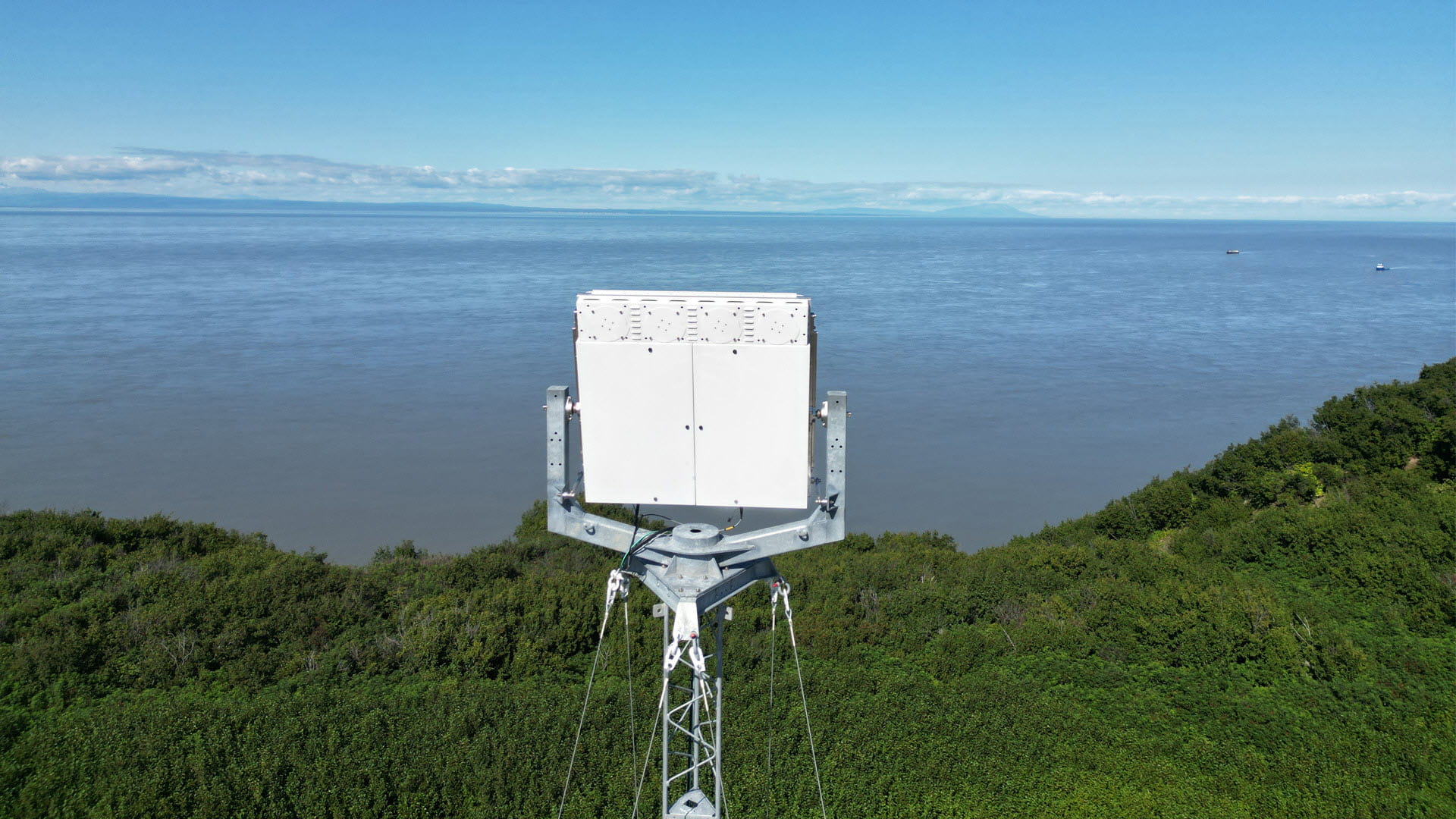
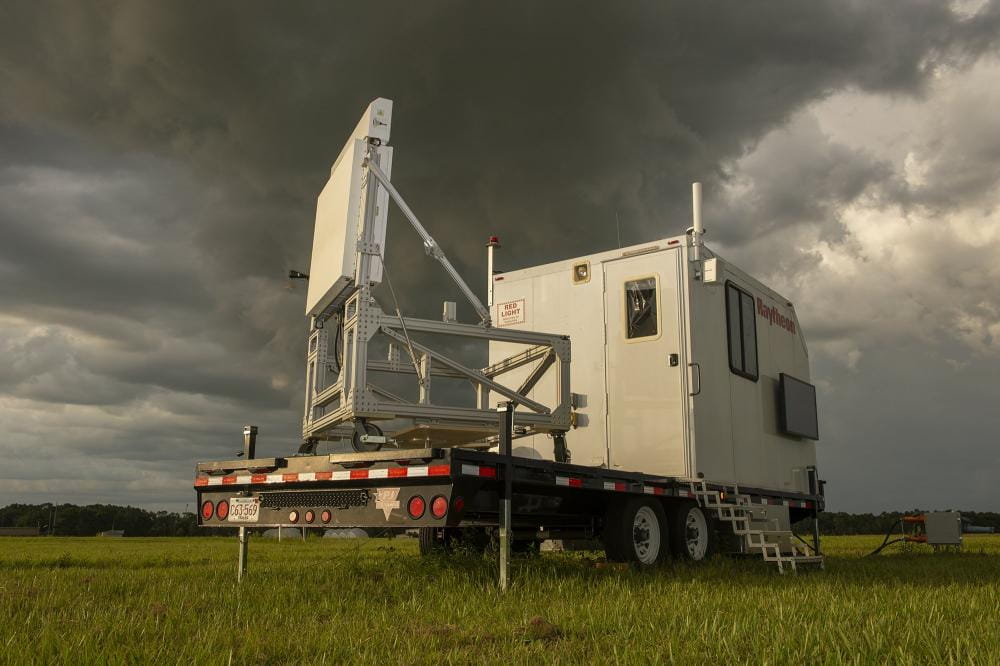
Skyler is redefining what primary, non-cooperative surveillance radar can be. Designed as a software‑defined, active electronically scanned array (AESA) radar, Skyler detects and tracks aircraft, drones and atmospheric activity without relying on transponders or cooperative signals. A feature today’s traditional spinning radars simply can’t match. No moving parts. No waiting for a sweep. Just instant, high‑resolution, fully polarimetric 3D data – exactly what aviation, weather forecasting, and emerging airspace users need.

Power of a network
Skyler isn’t just a non-cooperative primary radar sensor – it’s a surveillance network. A single unit can stand alone, or multiple Skyler systems can link together to create a wide‑area, gap‑free surveillance grid. That means better long‑range coverage, smarter weather awareness, and the ability to finally see what’s happening at very low altitudes – where small aircraft, drones, and fast‑changing weather often go unnoticed.
Advanced technology
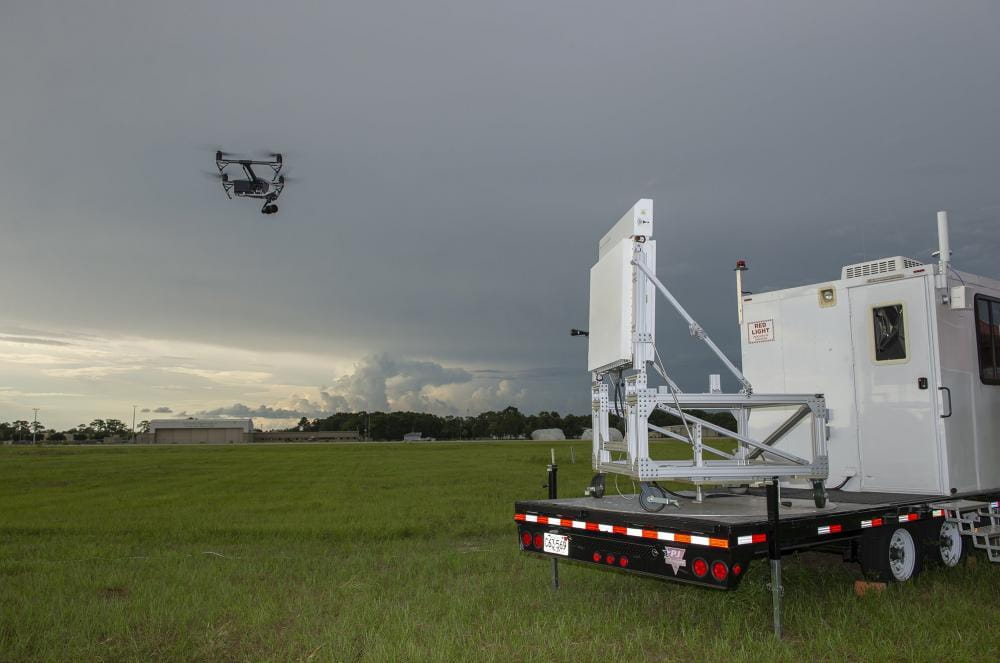
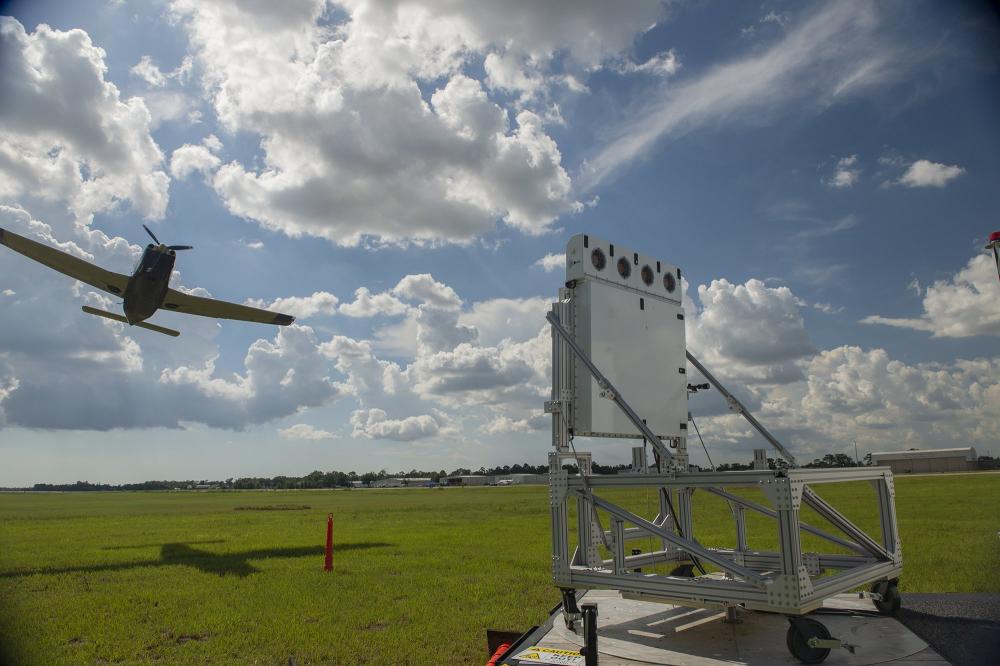
Skyler’s adaptive, dual‑polarization pencil beam unlocks data that current sensors simply don’t capture. From tracking small drones to detecting wildfires to filling in geographic blind spots, Skyler enhances clarity in areas where it was previously limited.
Innovation applied
Think of it as radar with apps. Powered by AESA technology, Skyler can instantly steer its beam to follow a storm in real time or focus on a critical target without waiting for a rotation. It’s a flexible, mission‑ready platform designed for airport operators, weather forecasters, first responders, air navigation service providers, the military, and government agencies.
Radar reimagined
And Skyler isn’t being built in isolation. Collins Aerospace is developing it hand‑in‑hand with small businesses, researchers, and universities – like the atmospheric science students at Purdue who took Skyler into Tornado Alley to chase storms and capture breakthrough data.
Skyler is more than an upgrade. It’s a reimagining of how we see and control the sky.
Request information
I would like more information about this capability.
Contacts
Air Traffic Solutions